music
3 minute read
Blue Note Records: An Entry Point for New Collectors
Words by Heather June Coombs
The reissue market is flooded with Blue Note, but not all reissues are equal.
Blue Note Records: An Entry Point for New Collectors
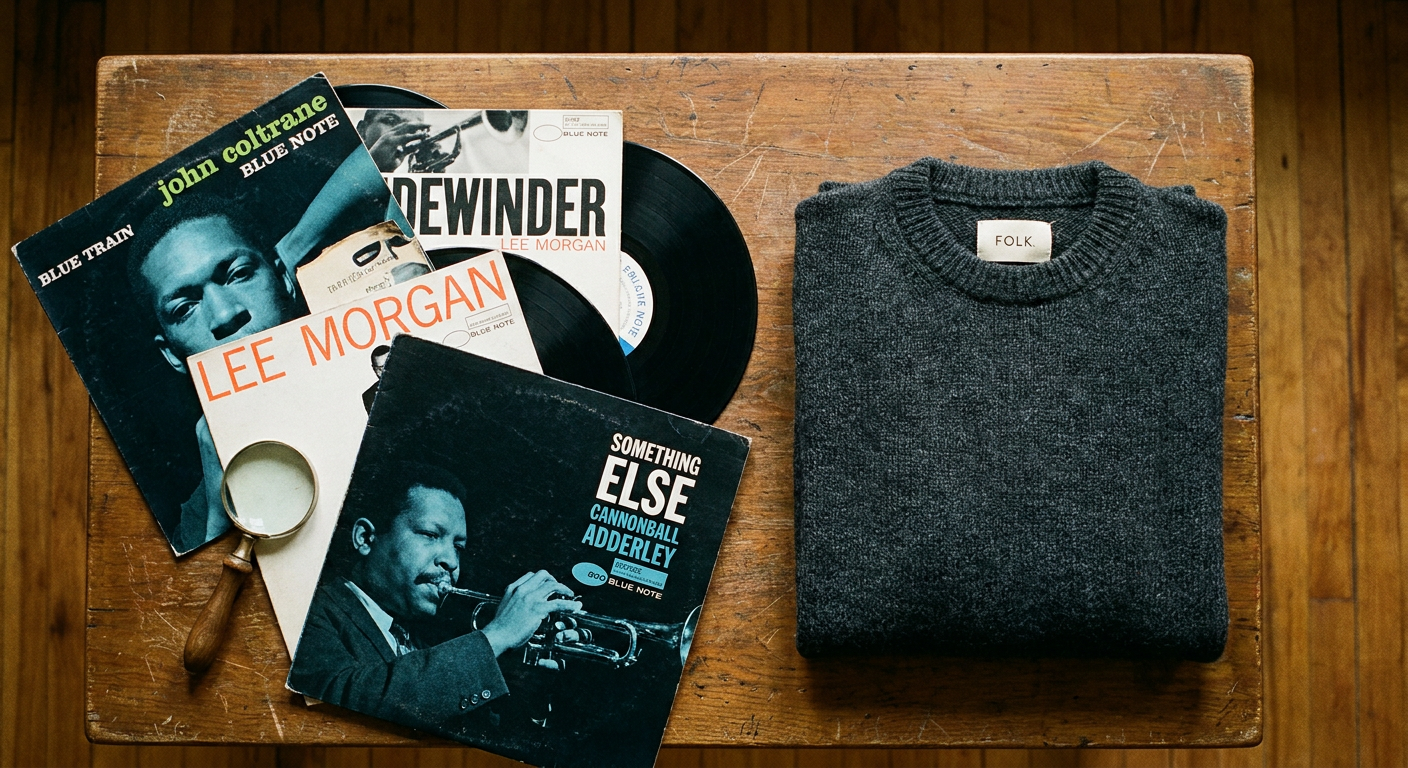
Blue Note is not just a record label; it is a cultural institution. For anyone looking to get into collecting vinyl, particularly in jazz, it offers a distinct advantage: consistency. Unlike many labels where quality control was hit and miss, especially in the 60s and 70s, Blue Note largely maintained a high standard, both sonically and aesthetically. This makes it an ideal starting point for new collectors who want to avoid common pitfalls. The label's aesthetic is as famous as its music. Reid Miles’ sleeve designs are instantly recognisable: bold typography, striking photography, and a modernist sensibility. Owning a Blue Note LP is as much about the artwork as it is about the music pressed into its grooves. This visual identity quickly becomes part of the collecting experience.
The Sound of Blue Note: Rudy Van Gelder
Much of Blue Note’s revered sound comes down to one man: Rudy Van Gelder. From 1953, nearly all Blue Note recordings were engineered by Van Gelder, first in his parents’ Hackensack living room, then in his famous Englewood Cliffs studio. His signature sound – close-mic’d drums, rich bass, and horns with a distinct presence – is a hallmark of the label. This consistency in engineering means that even if you pick up a lesser-known title, the recording quality is rarely a disappointment. Van Gelder used custom equipment and often modified existing gear to achieve his desired output, becoming as much a part of the Blue Note identity as the musicians themselves. It means a certain sonic expectation from any Blue Note release.
Navigating the Reissue Market
Original Blue Note pressings, particularly those from the 1500 and 4000 series, command serious money. For the new collector, these are often out of reach. Thankfully, Blue Note has a long history of reissues. The key is knowing which ones are worth your time and money. Japanese pressings from the 1970s and 80s are often excellent, offering superb fidelity and quiet vinyl. The "King Records" and "Toshiba EMI" series are highly regarded. Domestically, the 1970s United Artists and Liberty pressings can be hit or miss, but good copies exist. Avoid anything pressed on thin, flimsy vinyl.
Shop from this article

Modern Reissues: Analogue Productions and Tone Poet
In recent years, two series stand out for their quality: Analogue Productions and the Blue Note Tone Poet series. Analogue Productions are audiophile pressings, often 45rpm, cut from the original master tapes by Kevin Gray and Steve Hoffman. They are expensive but provide an unparalleled listening experience. The Tone Poet series, overseen by Joe Harley and again cut by Kevin Gray, offers 33rpm versions of classic (and sometimes lesser-known) titles. These are also from the original tapes, pressed at RTI, and come in luxurious gatefold sleeves. They represent the best value for money for new vinyl produced today, providing almost all the sonic benefits of the original without the prohibitive cost. The Blue Note 80th Anniversary series, also cut by Kevin Gray, offers similar quality at a more affordable price point.
Essential Starting Points
Where to begin? For hard bop, Art Blakey & The Jazz Messengers' *Moanin'* or Horace Silver's *Song for My Father* are non-negotiable. For a taste of the avant-garde, Eric Dolphy’s *Out to Lunch!* is an angular masterpiece. Grant Green’s *Idle Moments* offers fluid, soulful guitar. Lee Morgan’s *The Sidewinder* brought jazz to the pop charts, and for good reason. Herbie Hancock’s *Maiden Voyage* captures a particular mid-60s post-bop cool. These are records that define a genre and a label. They are gateway drugs to a deeper addiction. Buying them on a quality modern reissue is a sensible, rather than compromised, start. The music is timeless, and the production enduring. Blue Note offers both a sound and a story. For a new collector, a well-chosen reissue provides an immediate connection to a significant period in music history, without the anxieties of chasing costly originals. It is a solid foundation, built to last.