buying guides
3 minute read
What Excellent Condition Actually Means for Knitwear
Words by Heather June Coombs
A single bobble is acceptable. A cluster of them, even small, moves it straight to "Very Good" at best.
Buying pre-owned knitwear relies on an accurate description of its condition. Without the ability to hold it, to feel the fibre, or to inspect the weave up close, the words used carry significant weight. "Excellent condition" is a common one, but its interpretation varies wildly. For Patina, it means something specific, not a loose catch-all for 'not new, but still good'.
There are concrete metrics for what constitutes excellent condition knitwear. Ignoring them means disappointment, for both buyer and seller.
Beyond the Bobble: The Fabric Test
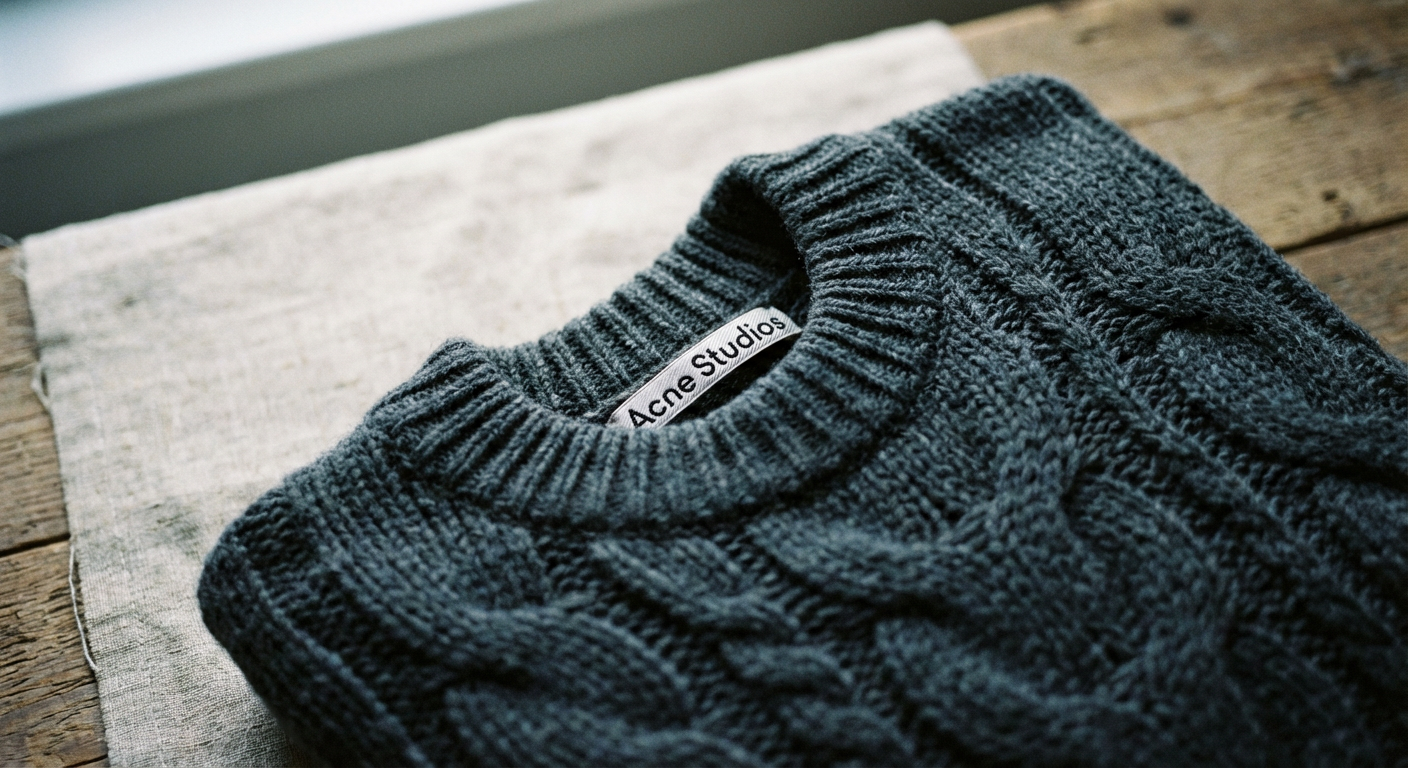
Pilling, or bobbling, is easily the most common form of wear on knitwear. Even cashmere and merino will pill, particularly in high-friction areas like under the arms or where a bag strap rubs. "Excellent" means minimal to no pilling. A single bobble is acceptable. A cluster of them, even small, moves it straight to "Very Good" at best. Fabric that looks like it's been through a tumble dryer full of Velcro is not excellent. It's tired.
Stretch is another key indicator. A wool jumper that has lost its shape, particularly at the cuffs, hem, or neckline, is no longer excellent. It should retain its original elasticity. This is especially true for fine gauge knits. Baggy elbows are a hard no. The knit should feel dense and consistent. Thinning areas, often found at the elbows or shoulders, indicate significant wear and downgrade the item immediately.
Seams, Stitches, and Structural Integrity
Examine the seams. They should be intact, without pulling or fraying. Hand-linked seams, common in higher-quality knitwear, should show no breaks. Machine-stitched seams should be even and secure. Any visible repair, no matter how expertly done, means the item is not in its original "excellent" state.
Missing stitches are rarer but catastrophic. A pulled thread that has unpicked a row of stitches is a serious flaw. Sometimes these can be repaired invisibly by a specialist, but the item then carries a repair history. Excellent condition implies no such history. The garment should feel robust, not delicate or fragile, unless it was designed to be so.
The Colour and Finish
Fading is a common issue, particularly with brighter colours or natural dyes. "Excellent condition" means the original depth and evenness of colour are still present. There should be no sun-fade on the shoulders, no patchiness from uneven washing. The colour should be uniform across the garment.
Sometimes, a garment will have a specific finish – a brushed texture, a subtle sheen. This finish should be largely undisturbed. Excessive wear can flatten brushed wool or dull a lustrous fibre like angora or alpaca. Look for areas of uneven texture, which often indicate rubbing or pressure points.
Smell, Stains, and Other Deal-Breakers
This should be obvious, but excellent condition knitwear must be clean. No stains, faint or otherwise. This includes collar discolouration, cuff grime, or any residue from previous wear. Similarly, there should be no lingering odours. Wool in particular can hold smells. Damp, musty, or perfumed odours are unacceptable.
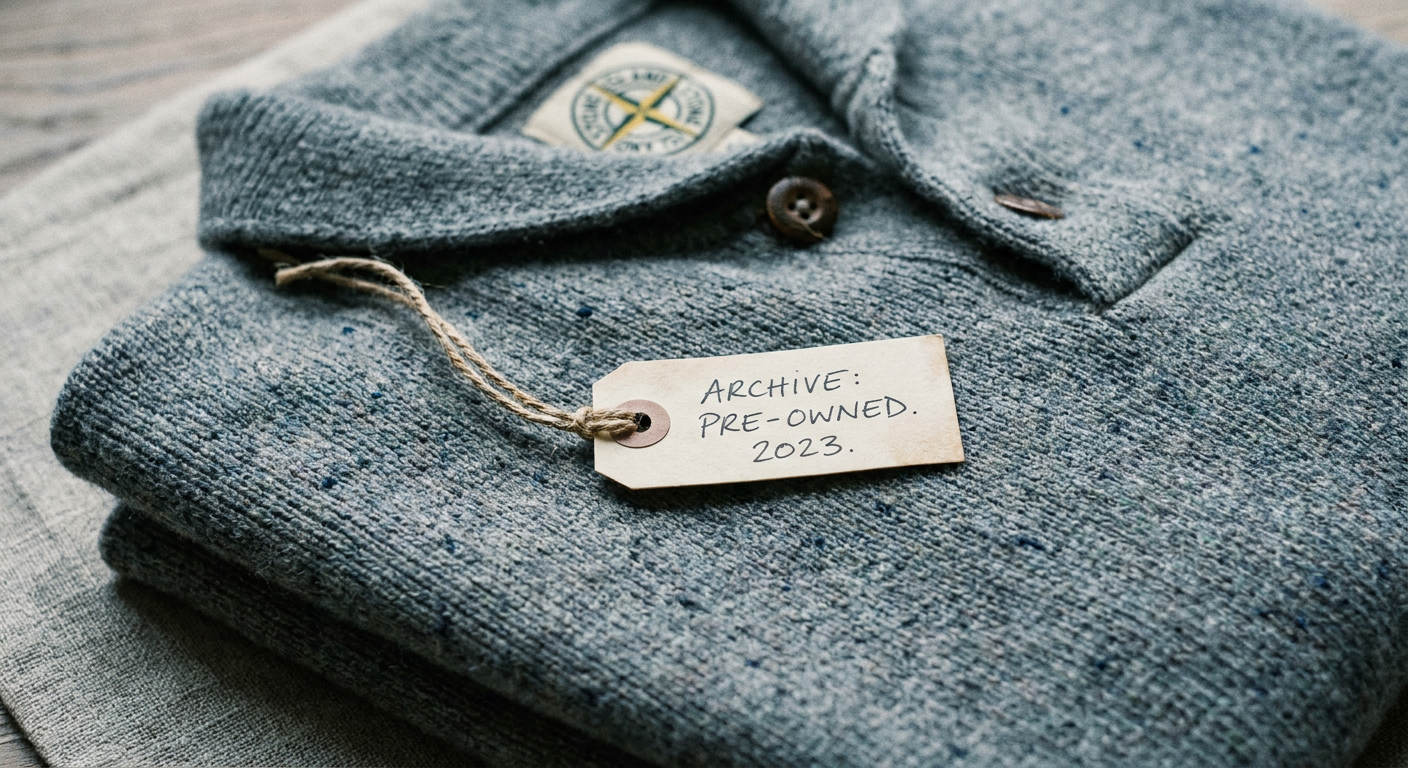
Hidden marks, like those on internal labels, are also a consideration. While they might not affect wear, they denote a previous life that wasn't 'excellent'. We look for clean care labels, size tags and brand labels. This shows a garment has been treated with care.
The Patina Standard
For us, "excellent condition" means the item could pass as unworn to the casual glance. It means it has been worn sparingly, handled carefully, and maintained perfectly. It means you are buying a garment that retains almost all of its original appeal and integrity, not just one that happens to be free of holes.
It's about expectation management. A jumper described as excellent should feel like a minor compromise from new, not a significant step down. It should be an investment that still delivers on quality and durability, not merely a budget option.
Ultimately, excellent condition knitwear is a testament to both the original manufacturing quality and the care of its previous owner. It should wear its past lightly, barely perceivable, and still have a long life ahead.