brand focus
3 minute read
Why Vintage Adidas Originals Outperforms the Modern Version
Words by Heather June Coombs
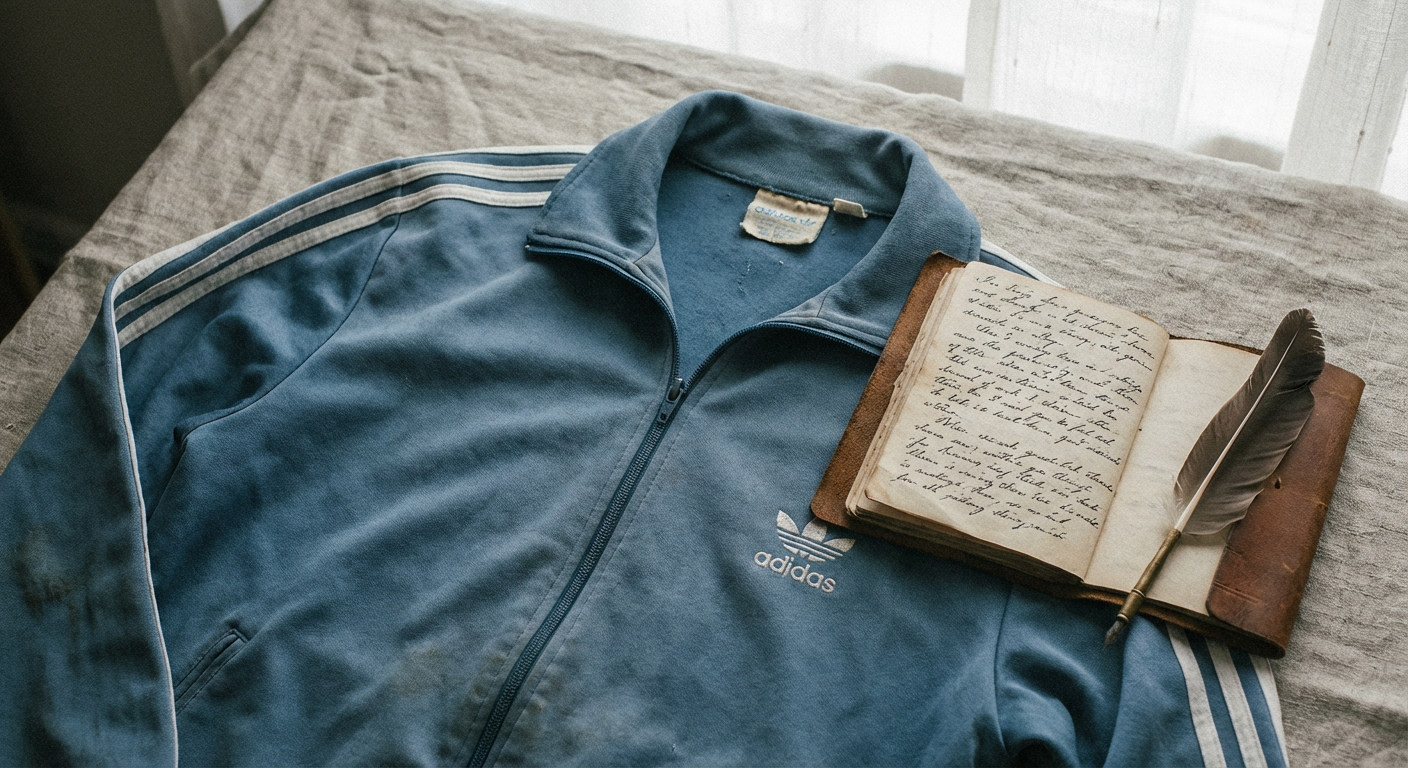
A vintage Adidas track top often had a sheen, a weight, and a specific drape that modern versions struggle to replicate.
The Old Guard: Why Vintage Adidas Originals Still Wins
Adidas Originals today is a different beast from its past. The modern iteration, with its constant cycle of reissues and limited drops, often feels like a memory of what it once was. For those who know, the true character of Adidas Originals lives in its vintage forms. This isn't just nostalgia. It’s about material, construction, and a certain kind of cultural weight.
Materials and Construction: Built to Last
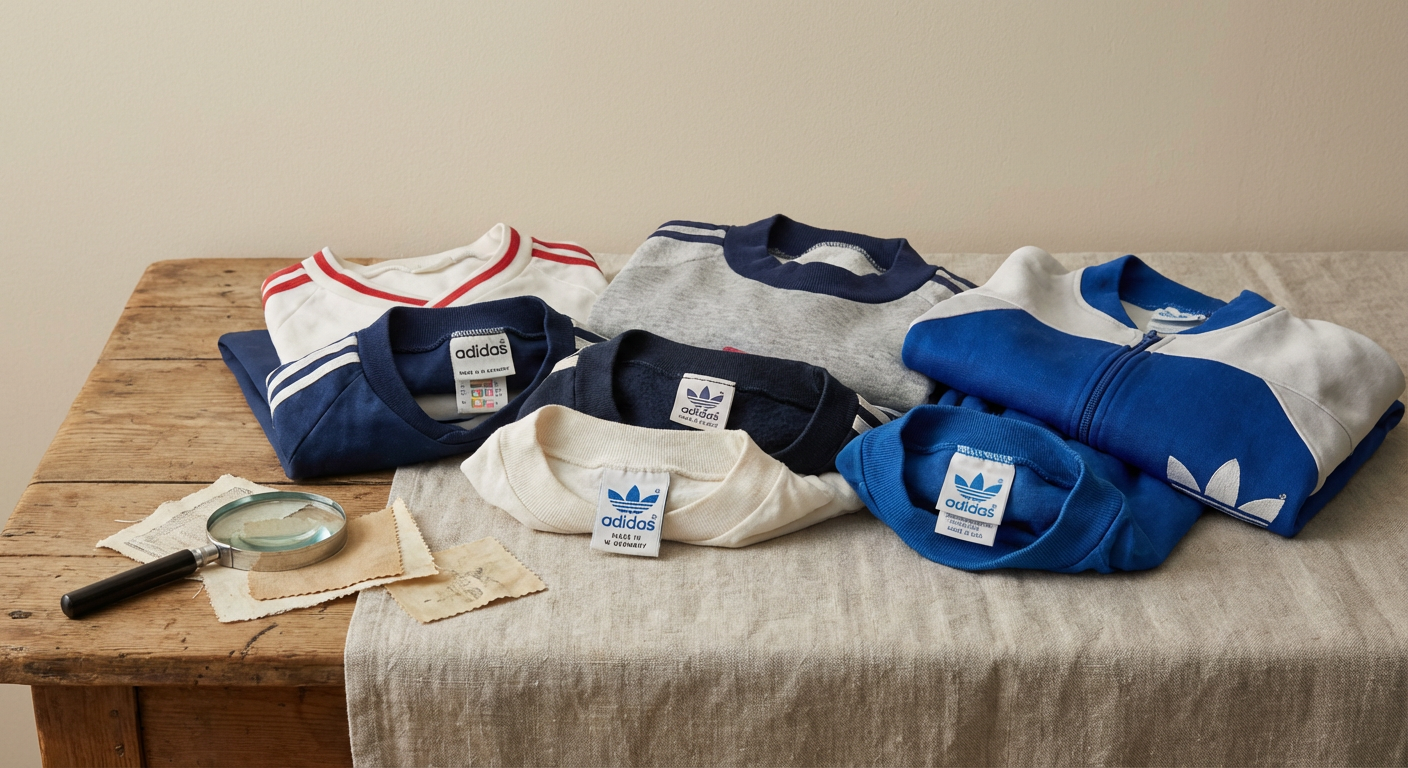
Real vintage Adidas kit feels different. The track tops, for instance, often used a heavier, more structured polyester. It had a sheen, a weight, and a specific drape that modern versions struggle to replicate. Today, the fabrics are lighter, often softer, and feel less substantial. This affects how the garment sits, how it moves, and ultimately, how long it lasts. Zips are another indicator. YKK zips, or unbranded but sturdy alternatives, were common. They were built for use, not just for show. Stitching on vintage pieces tends to be tighter, with fewer loose threads. This isn't about artisan craftsmanship; it's about a standard of mass production that valued durability over cost-cutting.
The Silhouette: Unchanged for a Reason
Consider the Adidas Gazelle or Samba. Modern reissues often tweak the last, making the toe box slightly rounder or the profile less sharp. These are subtle changes but they alter the fundamental character of the shoe. Vintage pairs hold a more authentic line, a more faithful interpretation of their original design. The fit of tracksuits is another example. Vintage track tops often had a slightly more athletic, yet relaxed, cut. Modern versions can sometimes be boxy, or conversely, too slim. The small variations add up, changing the entire aesthetic from what it once was. Original proportions just worked better.
Shop from this article
Authenticity and Cultural Cachet
Owning a vintage Adidas piece means owning a bit of history. It connects you directly to the subcultures that adopted these garments – the terrace casuals, the hip-hop pioneers, the Mod revivalists. A modern reissue, no matter how faithful, cannot replicate this. It's a reproduction, not the artifact itself. The scuffs, the fade, the minor imperfections on a vintage pair of Gazelles are part of its story. They speak of actual use, actual life. Brand new versions lack this patina. They are pristine, but also anonymous. The cultural weight of wearing a piece that has been part of a significant movement is inherent in vintage, absent in new.
Resale Value and Investment
While modern "limited edition" drops create artificial scarcity, genuine vintage Adidas maintains value based on inherent quality and rarity. A well-preserved vintage Beckenbauer track top will fetch a premium, often outperforming the retail price of a new, comparable garment. This isn't speculative hype; it’s sustained demand for genuine articles. The older models, especially those from specific production runs or made in specific factories (like those famously produced in Yugoslavia), are increasingly rare. The materials degraded less, the construction held up. This means they are more likely to still be wearable and therefore more desirable for collectors and enthusiasts.
The Enduring Appeal
It boils down to this: vintage Adidas Originals were made when the brand was establishing its identity, not simply capitalising on it. There was less compromise on materials, and the designs were singular. Modern Adidas often tries to cater to too many demographics, watering down the distinctiveness that made Originals great in the first place. The original commitment to quality and specific aesthetics is what truly lasts.
Related articles