outerwear
4 minute read
Barbour — which wax jackets are worth buying pre-owned and which to avoid
Words by Heather June Coombs
A well-worn Beaufort with a recent rewax will always trump a pristine, poorly made modern equivalent.
The Barbour Myth: Not All Wax Jackets Are Equal
Buying a Barbour jacket pre-owned seems simple. A waxed cotton coat, built for the elements, designed to last decades. The reality is more nuanced. Like any heritage brand that scales, Barbour offers a range of quality, manufacturing origin, and design intent. Some are excellent value on the secondary market. Others are best left on the rail.
Heritage vs. Contemporary: Spotting the Difference
Barbour operates two distinct lines: Classic/Heritage and Contemporary/Fashion. The Classic line, often still made in South Shields, uses heavier 6oz or 8oz waxed cotton, traditional tartans (Dress Gordon, Ancient), and durable fittings. These are the jackets designed for actual country pursuits. The Contemporary lines, usually made offshore, feature lighter fabrics, trend-driven cuts, and often less robust hardware. They are fashion items, not workwear.
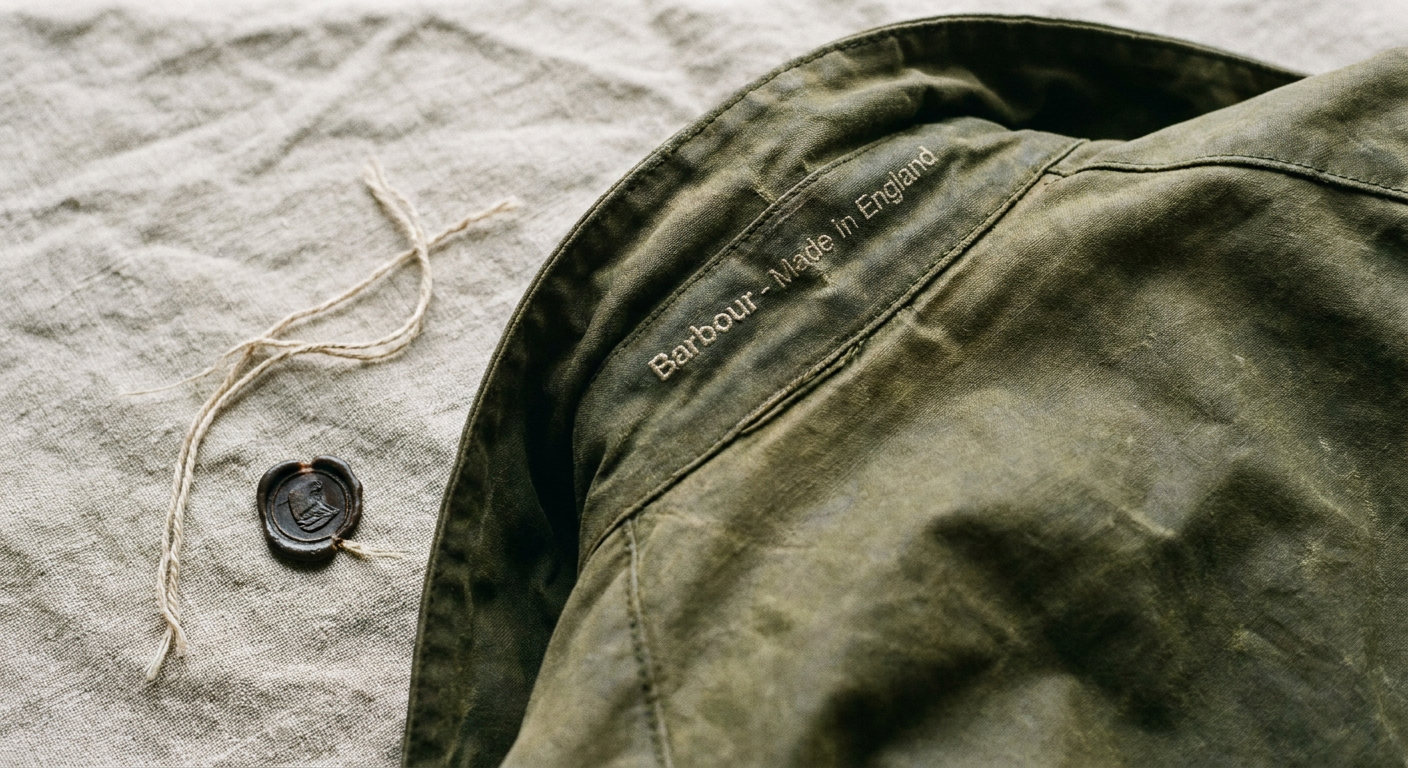
Checking the label is key. Look for "Made in England" or "Made in Great Britain". This usually denotes a Classic line jacket. Contemporary pieces will often state "Made in Moldova", "Made in Vietnam", or similar. Nothing inherently wrong with an offshore jacket, but understand it's a different product for a different purpose.
The Classics: Beaufort, Bedale, International
These three models consistently hold their value because they define Barbour. They are fit for purpose and genuinely well-made. A good Beaufort or Bedale is an investment. An International is a statement.
The Beaufort
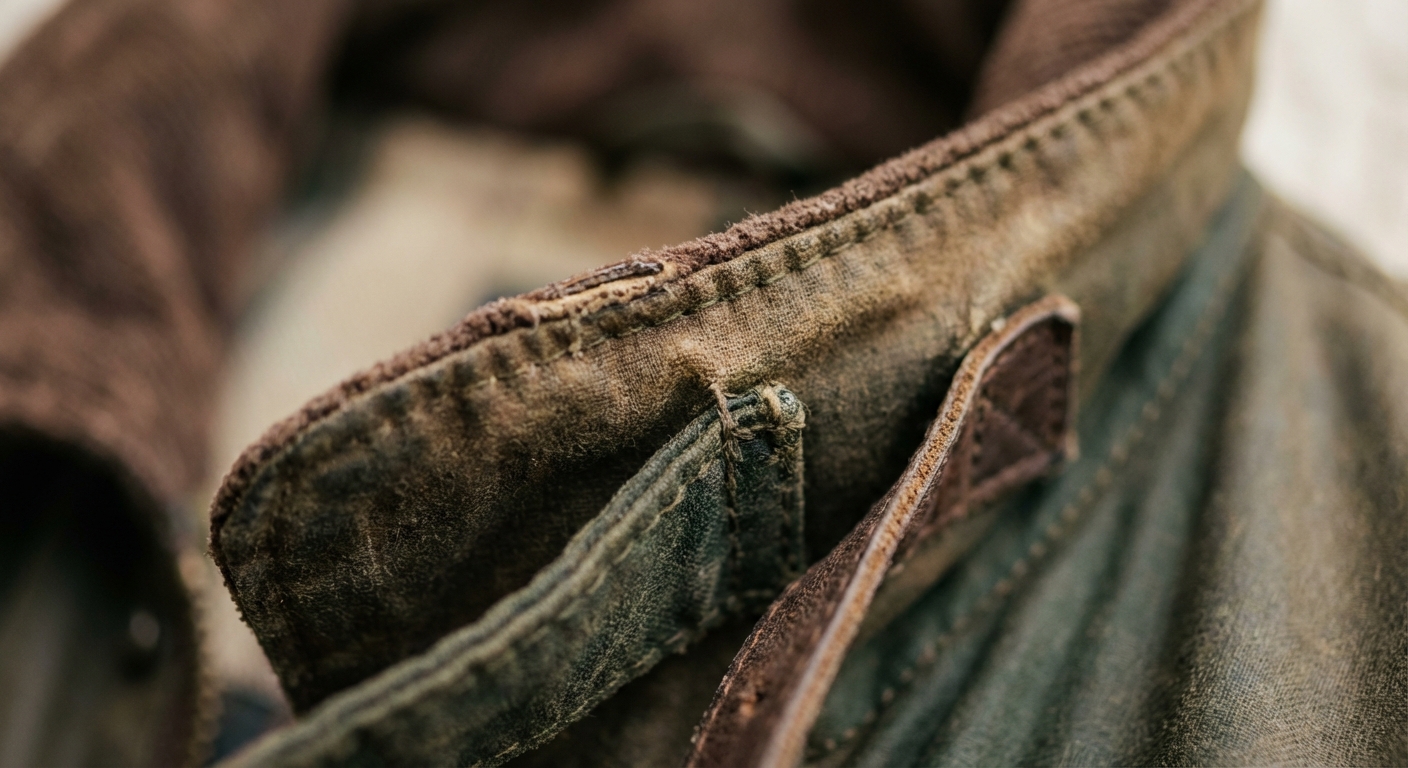
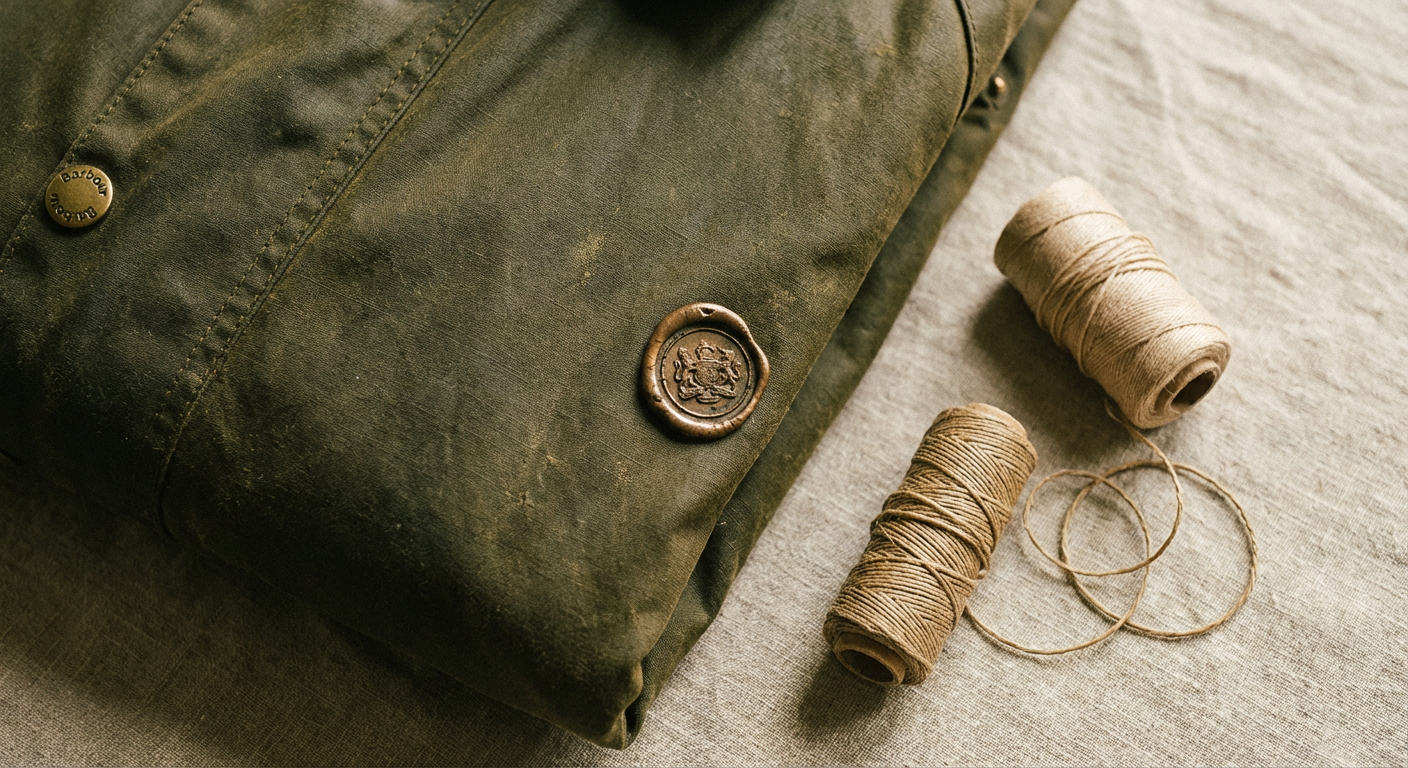
Designed in 1983 by Dame Margaret Barbour. A longer, shooting-style jacket with a poacher's pocket at the back. It has a slightly more formal cut, ideal for layering over a sports jacket. The corduroy collar, storm flap, and two-way zip are standard. Look for older versions with brass zips and press studs, not plastic. These jackets were built to be used hard and show that history well.
The Bedale
Introduced in 1980, the Bedale is a shorter, equestrian jacket. Its length makes it better suited for driving or casual wear, sitting above the hips. It shares many features with the Beaufort – corduroy collar, handwarmer pockets – but the fit is often slightly trimmer. Both the Beaufort and Bedale were designed with specific functions in mind; this translates into enduring utility and appeal.
The International
A completely different beast. The Barbour International was originally designed in 1936 for the International Six Day Trials motorcycle event. It's a heavy-duty, belted jacket with an angled chest pocket. More rugged, more aggressive. This is not a discreet country jacket. Check for the original "International" badge on the chest. Earlier versions from the 60s and 70s are particularly sought after, often identifiable by a different pattern to the internal tartan or a heavier waxed cotton.
Rewaxing: A Necessity, Not a Flaw
A Barbour jacket is waterproof because of its wax coating. This needs topping up every year or two, depending on use. A jacket that hasn't been re-waxed for years will feel dry, look dull, and potentially leak. This is not a deal-breaker on the pre-owned market; it's a negotiating point.
Shop from this article
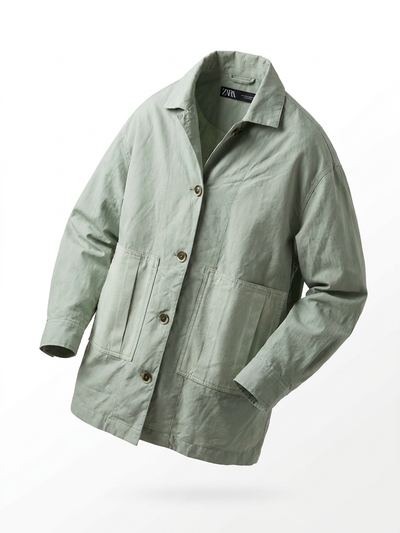
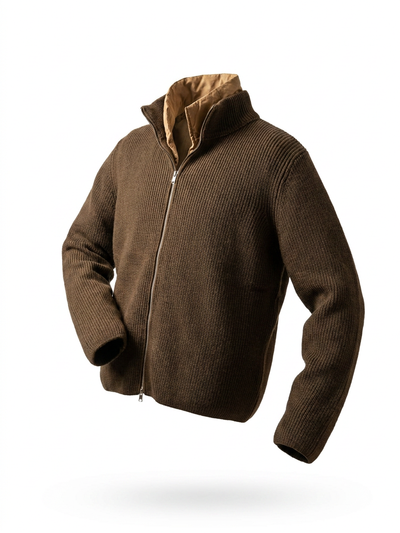
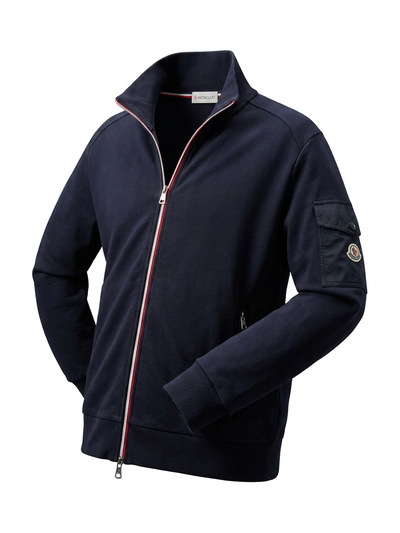
Assess the wax. Is it tacky? Is it dry and cracked? Is there a strong old wax smell? Barbour offers a rewaxing service, and there are independent specialists. Factor this cost (around £40-£60) into your purchase. A good rewax revitalises the jacket completely. It extends its life and restores its water resistance. Therefore, focus less on the immediate wax condition and more on the structural integrity of the fabric and seams.
Condition Grades: What to Expect and When to Walk Away
Pre-owned Barbour jackets come in a spectrum of conditions. Your budget and intended use dictate what's acceptable.
Excellent Condition (Higher Price Point)
Minimal signs of wear, consistent wax coating, no tears or significant fraying. The lining should be intact. These are usually jackets that have been well cared for and regularly re-waxed. Expect to pay closer to retail for these, but still significantly less than new.
Good Condition (Mid-Price Point)
Visible signs of wear and tear, fading of the wax, possibly some minor fraying around cuffs or pockets. The lining might show some small repairs or light staining. Will likely need a rewax. This is often the sweet spot for value. A good clean and rewax can transform these jackets.
Fair Condition (Budget Buys)
Significant wear, dry wax, tears that will need professional repair, a well-worn lining. These are for those who want a project or a genuinely battered look. Only consider if the price reflects the work required. Check the zip; if it's broken, repair can be costly. A non-functional zip often signals a jacket to avoid unless it's priced as spares or repairs.
Avoid anything with heavy mould or a persistent, bad smell that isn't just old wax. While mould can sometimes be treated, it signals poor storage, and the fabric integrity might be compromised.
Provenance Matters: The "Made in England" Seal
For purists and those concerned with resale, an older "Made in England" Barbour is the objective. These jackets are built differently. The weight of the cotton, the feel of the brass hardware, the attention to detail on the stitching are all superior to most modern, offshore-produced equivalents. These older models become more characterful with age, whereas the contemporary lines tend to simply wear out. It's the difference between patina and damage.
Choosing a pre-owned Barbour is about informed compromise. Understand the model, its origin, and its functional requirements. A well-chosen, re-waxed classic will outlast several lesser new jackets at a fraction of the cost. It's not just a coat; it's an heirloom in waiting.