outerwear
3 minute read
What to Look For When Buying Pre-Owned Technical Outerwear
Words by Heather June Coombs
A delaminated jacket is no longer waterproof. It’s just an expensive windbreaker.
Beyond the Brand: What Really Matters in Pre-Owned Technical Outerwear
Most people buy technical outerwear for a reason: it keeps the rain out and the warmth in. But when you’re buying pre-owned, the brand badge is only half the story. The real value is in the fabric, the construction, and the integrity of the waterproofing. This isn't about finding a vintage Berghaus, it’s about finding a jacket that still performs like new, or can be made to.
The Membrane: Your First Line of Defence
Forget the outer face fabric for a moment. The true hero of any technical waterproof jacket is its membrane. Gore-Tex is the obvious name, but Polartec NeoShell, Pertex Shield, and eVent also deliver. These are micro-porous layers designed to let water vapour out (your sweat) while keeping liquid water from getting in (the rain). The problem with pre-owned is membrane breakdown. Look for delamination – where the inner coating peels away from the outer fabric, creating bubbles or crispy sections. This usually happens in high-stress areas like around the neck, cuffs, and hem. It’s irreversible. A delaminated jacket is no longer waterproof. Tiny pinholes or abrasions can also compromise the membrane. Hold the jacket up to the light in a dark room. Any small points of light indicate damage. These can sometimes be patched, but a large number suggests general wear.
Seam Taping: The Weakest Link
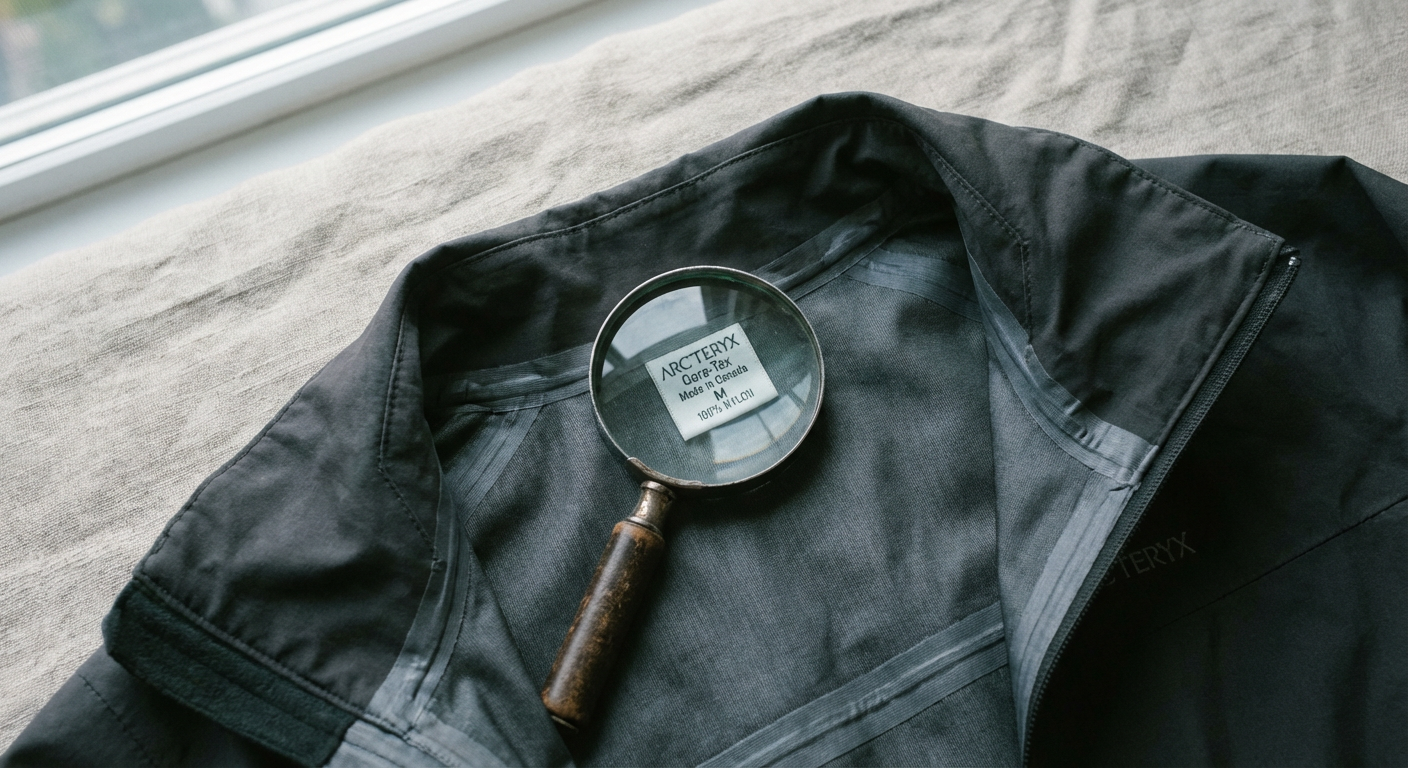
Even the best membrane is useless without properly sealed seams. Manufacturers apply tape over every stitch line on the inside of the jacket to prevent water ingress. This taping is often the first thing to degrade with age and use. Inspect all internal seams. Look for peeling, bubbling, or frayed tape. Pay special attention to the shoulders, hood, and around zips. If the tape is visibly compromised, that’s where water will get in. Repairing seam tape is possible, but it’s a detailed job that requires specific heat-activated tape and careful application. Factor that cost, and time, into your purchase.
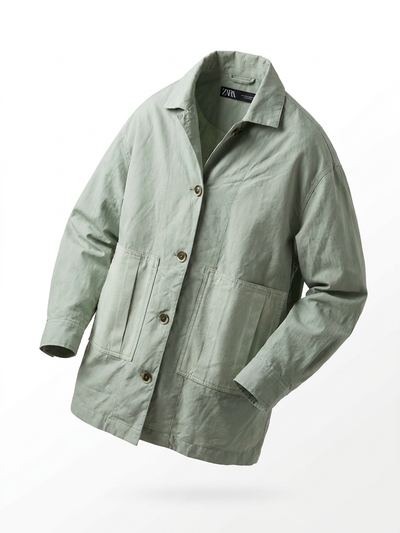
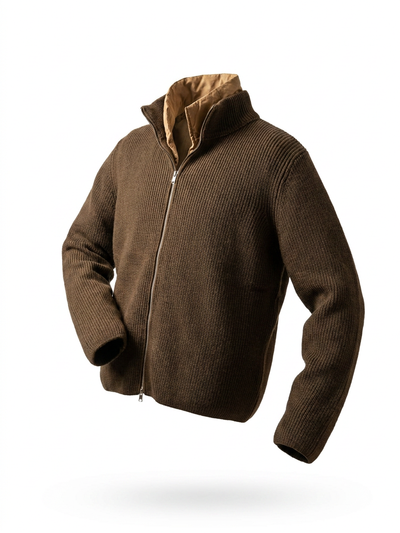
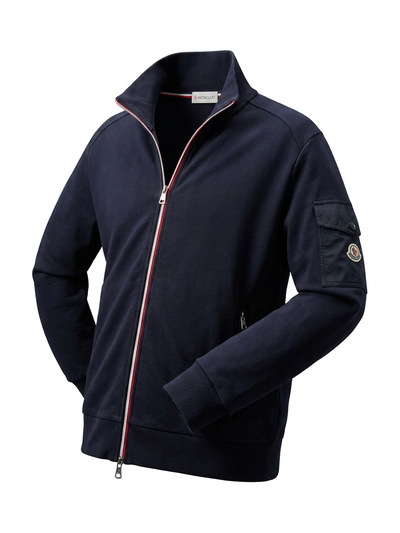
Shop from this article
Durable Water Repellency (DWR): The Outer Layer
The DWR coating is what makes water bead up and roll off the fabric surface. It’s a sacrificial layer that wears off with use and washing. A jacket with compromised DWR doesn't necessarily mean the membrane under it is failing, but it will 'wet out' – the face fabric absorbs water, making the jacket heavier and less breathable. Test it. If you can, sprinkle some water on the fabric. If it beads, the DWR is active. If it soaks in, the DWR needs reproofing. This is a common and relatively easy fix with wash-in or spray-on treatments from brands like Nikwax or Grangers. Don’t dismiss a jacket solely on poor DWR, especially if the membrane and seam tape are solid.
Zippers, Cuffs, and Hood Adjusters
These components are subject to constant friction. Zippers should run smoothly without snagging or sticking. Waterproof zippers (often YKK AquaGuard) are particularly prone to wear on their protective coating. Inspect this carefully. Cuff and hem adjusters, usually Velcro or shock cord, need to be fully functional. Worn-out Velcro no longer grips, and stretched shock cord won’t cinch properly, leaving you exposed. Toggle locks on drawstrings should snap securely. These are often replaceable, but it’s an added hassle.
Know Your Needs
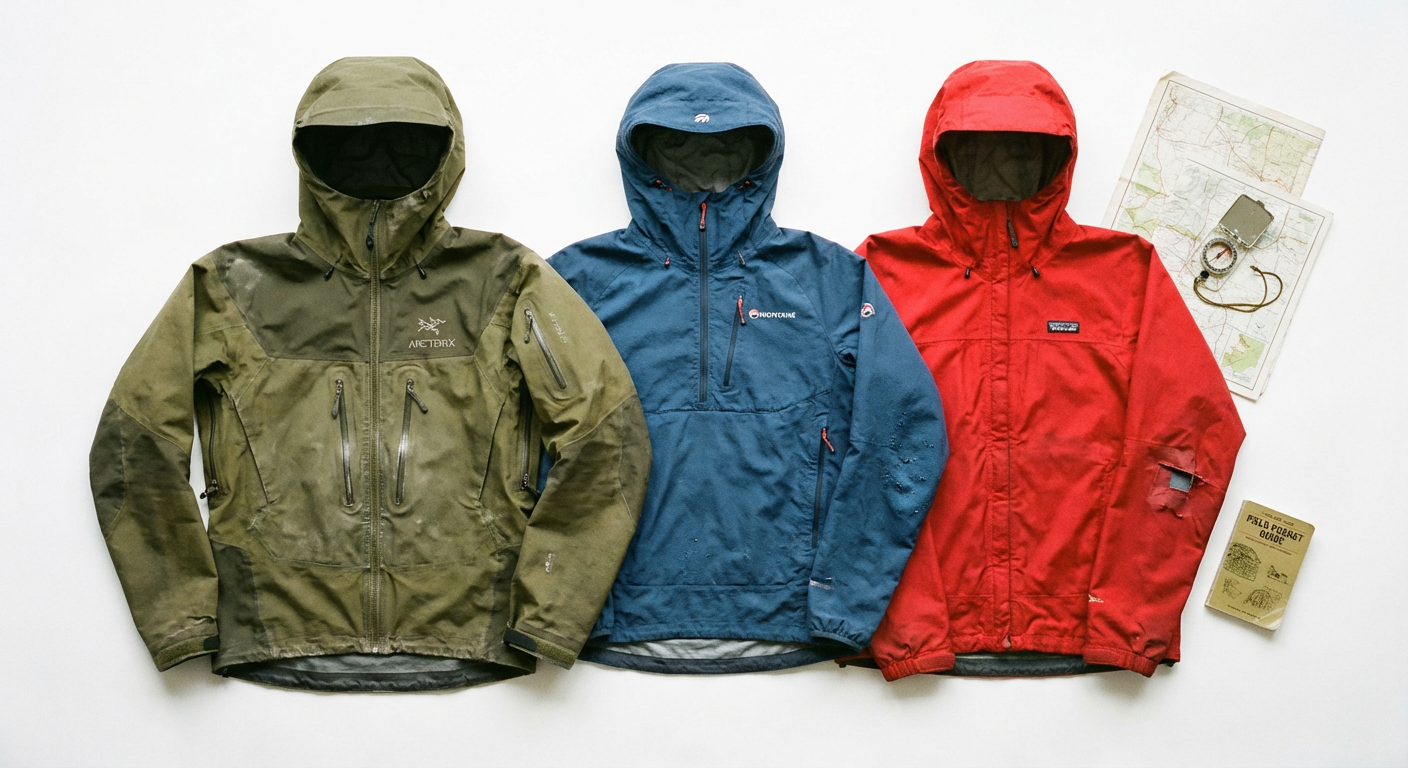
A faded Arc'teryx shell with a few scuffs might be a bargain if the membrane and seams are intact and you only need it for city showers. But if you’re heading to the fells, every aspect of its weather protection needs to be robust. Understand the jacket’s intended use and check its condition against that standard. A pre-owned technical jacket isn’t just about the label, it’s about its utility.