arc'teryx
3 minute read
The Pre-Owned Case for Technical Outerwear: Arc'teryx, Montane, and Patagonia
Words by Heather June Coombs
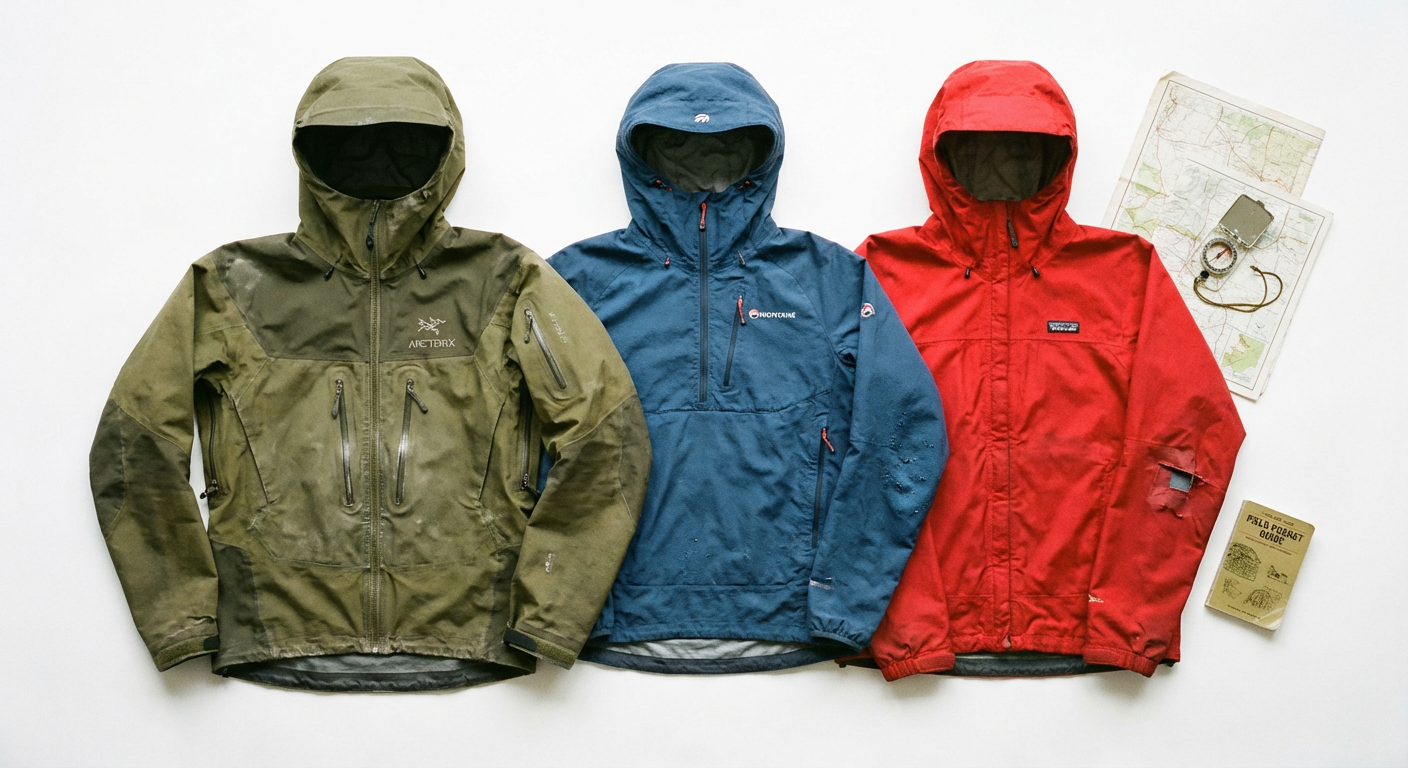
A well-maintained Arc'teryx Beta AR is still a better bet for a downpour than most new jackets at twice the price.
The Pre-Owned Case for Technical Outerwear: Arc'teryx, Montane, and Patagonia
Outdoor gear used to be the preserve of mountaineers and serious hikers. Now, Arc'teryx is on London Fields and Patagonia is everywhere. The market for high-performance outerwear has exploded. Buying it new is expensive, often unnecessarily so. This is where pre-owned comes in. You get the engineered performance without the premium and the environmental cost.
Beyond the High Street Hype
The technical outerwear market is saturated with brands promising waterproof wonders and breathable fabrics. Many are simply fashion brands playing dress-up. Arc'teryx, Montane, and Patagonia are not. They are built on decades of genuine outdoor heritage, using proprietary materials and exacting construction. Their gear is designed to perform in extreme conditions, not just look good on a high street wander. This inherent quality means it lasts. A new Patagonia Torrentshell, for example, is around £150. A pre-owned one can be found for half that. The performance difference? Negligible, if the previous owner looked after it. You’re paying for a label and a warranty that, for most urban users, will never be tested.
Why These Three?
Arc'teryx is the undisputed leader in shell technology. Their Gore-Tex Pro jackets set the benchmark. Montane, a British brand, offers equally serious kit, often with a more minimalist aesthetic and at a slightly sharper price point new. Patagonia's focus is on robust, everyday performance and environmental stewardship, making their gear highly durable and ethically sound. All three prioritise function over ephemeral trends. They build gear, not fashion. Their designs are often iterative, not revolutionary. A well-maintained Arc'teryx Beta AR from five years ago is still a better bet for a downpour than most new jackets at twice the price. The fundamental tech hasn't changed that much. What has changed is the price tag.
Shop from this article
What to Look For: Condition, Condition, Condition
When buying pre-owned technical outerwear, condition is paramount. Ignore anything with significant rips or tears. Small scuffs are acceptable, but any compromise to the primary waterproof membrane is a deal-breaker. Check zips thoroughly – YKK AquaGuard zips are expensive to replace. Seam tape is critical; inspect it for peeling or bubbling, especially around the shoulders and hood. The DWR (Durable Water Repellent) coating will likely need restoring. This is normal. A wash with a technical cleaner like Nikwax Tech Wash and a reproofing spray will often bring a jacket back to near-new performance. That 30-minute job can save you hundreds. Most sellers won't bother with this, which is good news for a savvy buyer.
Value Beyond the Price Tag
The environmental argument for pre-owned is more pronounced here than with a basic cotton t-shirt. Manufacturing technical materials like Gore-Tex is resource-intensive. Extending the life of an existing garment reduces its overall impact significantly. This isn’t about virtue signalling; it’s about common sense. Furthermore, these brands hold their value. A well-cared for Arc'teryx jacket will fetch a strong resale price again. You are not buying a consumable; you are acquiring a piece of gear that will last, and can be passed on, or re-sold. It is an investment in practical performance.
The Real World Test
Most people buying these jackets pre-owned aren't planning to scale the Eiger. They want to stay dry on the walk to the pub, or warm when the wind bites. For these everyday uses, a pre-owned shell provides identical performance to a new one. The distinction between a £600 new jacket and a £200 pre-owned one, in real-world terms, is usually just the money in your pocket. Unless you are spending weeks in blizzard conditions, the subtle differences in new material are largely irrelevant. Don't overpay for the illusion of perfection. Pay for the engineering.