napapijri
3 minute read
Napapijri Skidoo: Why the Archive Version Is Worth Tracking Down
Words by Heather June Coombs
The archive Skidoo often features a significantly heavier gauge Cordura or similar rugged nylon, sometimes with a more substantial inner lining.
The Napapijri Skidoo is a ubiquitous sight on ski slopes and high streets alike, but not all Skidoos are created equal. While the modern iterations offer solid performance, it's the older, archive models that genuinely warrant your attention on the pre-owned market. They represent a different era of design and construction, one often overlooked in favour of updated branding.
The Original Idea: Built for the Pole
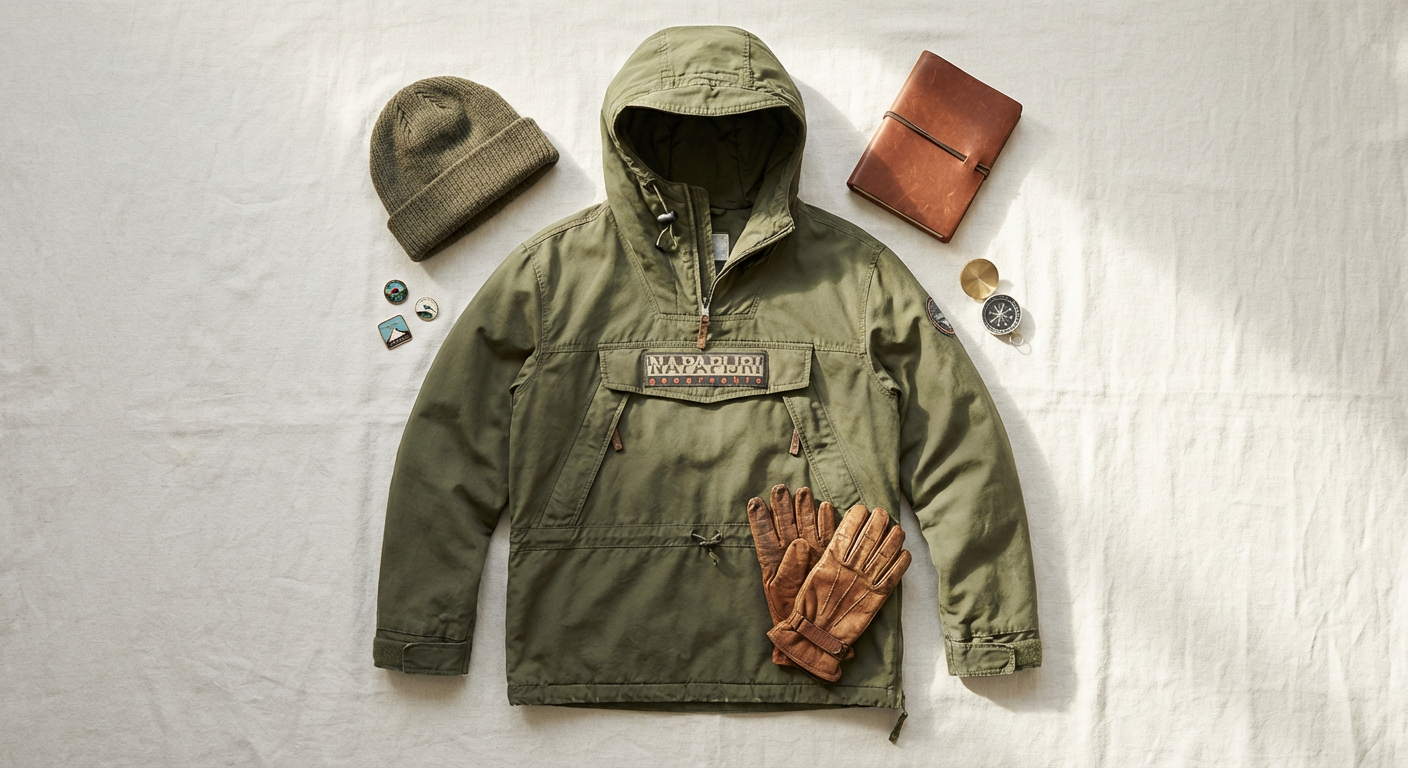
Napapijri, founded in 1987 in Aosta, Italy, began as a manufacturer of travel bags. Their name, a variation of the Finnish word for the Arctic Circle, hinted at their future direction. The Skidoo, introduced shortly after their foray into clothing, was initially conceived for extreme cold. It was an anorak, a pullover jacket, designed to be wind and snow-proof, with minimal fuss. No full zip to compromise insulation, just a simple quarter zip and side entry.
The early Skidoos were characterised by their robustness. Cordura shells, dense padding, and attention to detail that prioritised function over fashion were standard. These weren't intended as casual wear; they were serious outerwear for serious conditions.
Beyond the Badge: Materials and Construction
Modern Skidoos, particularly those from the last decade, often use lighter, more fashion-focused fabrics. They are still good jackets, but they lack the heavy-duty feel of their predecessors. The archive Skidoo often features a significantly heavier gauge Cordura or similar rugged nylon, sometimes with a more substantial inner lining.
Examine the stitching: older models frequently display a tighter, more reinforced construction, particularly around critical stress points like the armpits and pockets. The zips, too, are often more substantial. YKK Excella or similar robust closures were common, rather than what can sometimes feel like a lighter, cheaper alternative on current production.
Small Details, Big Difference
Key differentiating features are often subtle. Look for metal adjusters on the hood and hem rather than plastic toggles. The cuffs might have a more intricate Velcro system or even internal storm cuffs that are noticeably thicker. The pocket configuration can also be a tell. Older models often featured a larger kangaroo-style front pocket with a more secure flap closure, sometimes complemented by additional deep side pockets that zipped rather than just snapped.
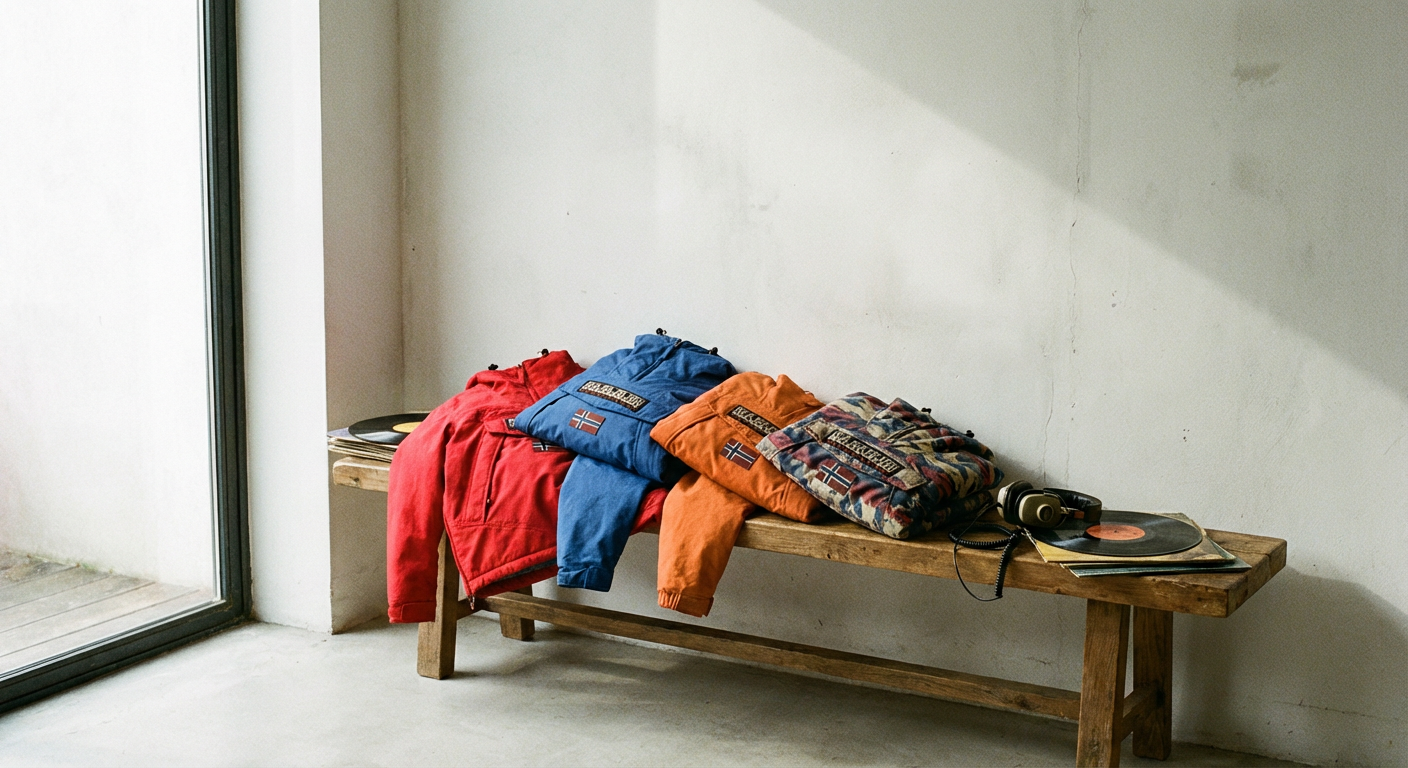
Even the flag badge, the iconic Norwegian flag, can occasionally offer clues, though this is less reliable as it has seen multiple iterations. Focus instead on the feel of the fabric, the weight of the jacket, and the quality of the hardware.
Condition and Compromise: What to Expect Pre-Owned
Given their age and intended use, don't expect a pristine archive Skidoo. Minor scuffs, fading to high-wear areas like the cuffs and shoulders, and perhaps a slightly less crisp interior lining are to be expected. These aren't defects; they are evidence of a jacket that has been used as intended. A few signs of a life lived outdoors add to its character.
Shop from this article
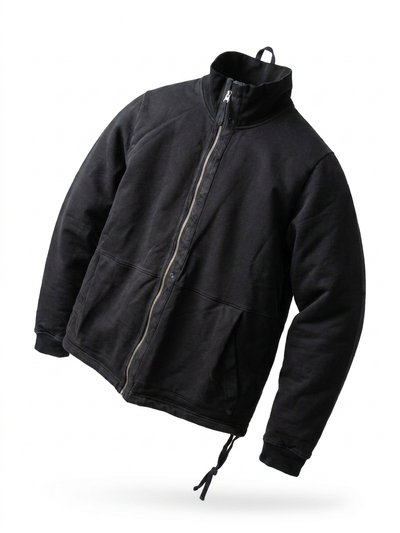
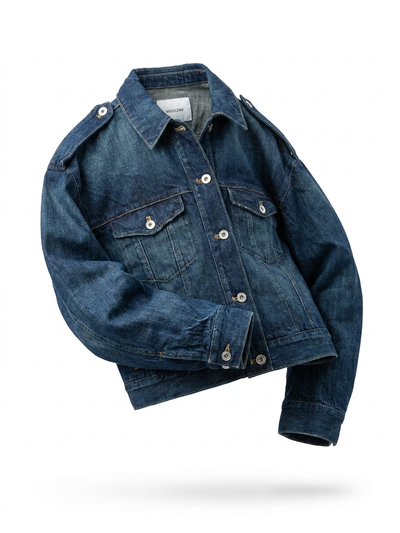
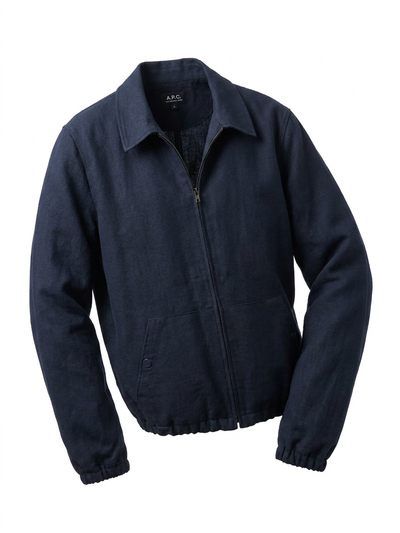
What to avoid: significant tears in the shell fabric that compromise waterproofing, broken main zips (side or front), or heavily degraded elastication on the cuffs or hem. Check for any major repairs, but don't be put off by a small, well-executed patch, particularly if it's on a non-critical area.
Why Bother? The Argument for Older Kit
The archive Skidoo isn't just about nostalgia. It's about finding a piece of outerwear that was built with a different philosophy: durability and function first. Modern equivalents are often value-engineered, designed to hit a price point and appeal to a broader market. The older models represent a time when brands often over-engineered their products, resulting in garments that lasted. They also offer a distinct aesthetic, a slightly boxier, more utilitarian fit that has unfortunately been streamlined in recent years.
It’s a different kind of investment. Not in a brand name, but in actual garment quality.
The hunt for an archive Napapijri Skidoo rewards patience. When you find one, you're not just buying a jacket; you're acquiring a piece of robust engineering, built for purpose, that will almost certainly outlast its contemporary counterparts.
Related articles