norse projects
3 minute read
Norse Projects Fabric Guide: What the Materials Tell You About the Piece
Words by Heather June Coombs
A Norse piece in Ventile isn't cheap new, and it holds its value pre-owned.
From Functional to Familiar
Norse Projects is a brand built on fabric. Their initial retail offering in 2004 was a tightly edited range of workwear and outerwear. They understood even then that quality wasn't just about design, but about the material itself. Identifying these fabrics tells you not only about the construction and intended use of a Norse piece, but also about its place in their seasonal collections.
Gabardine: The Workwear Staple
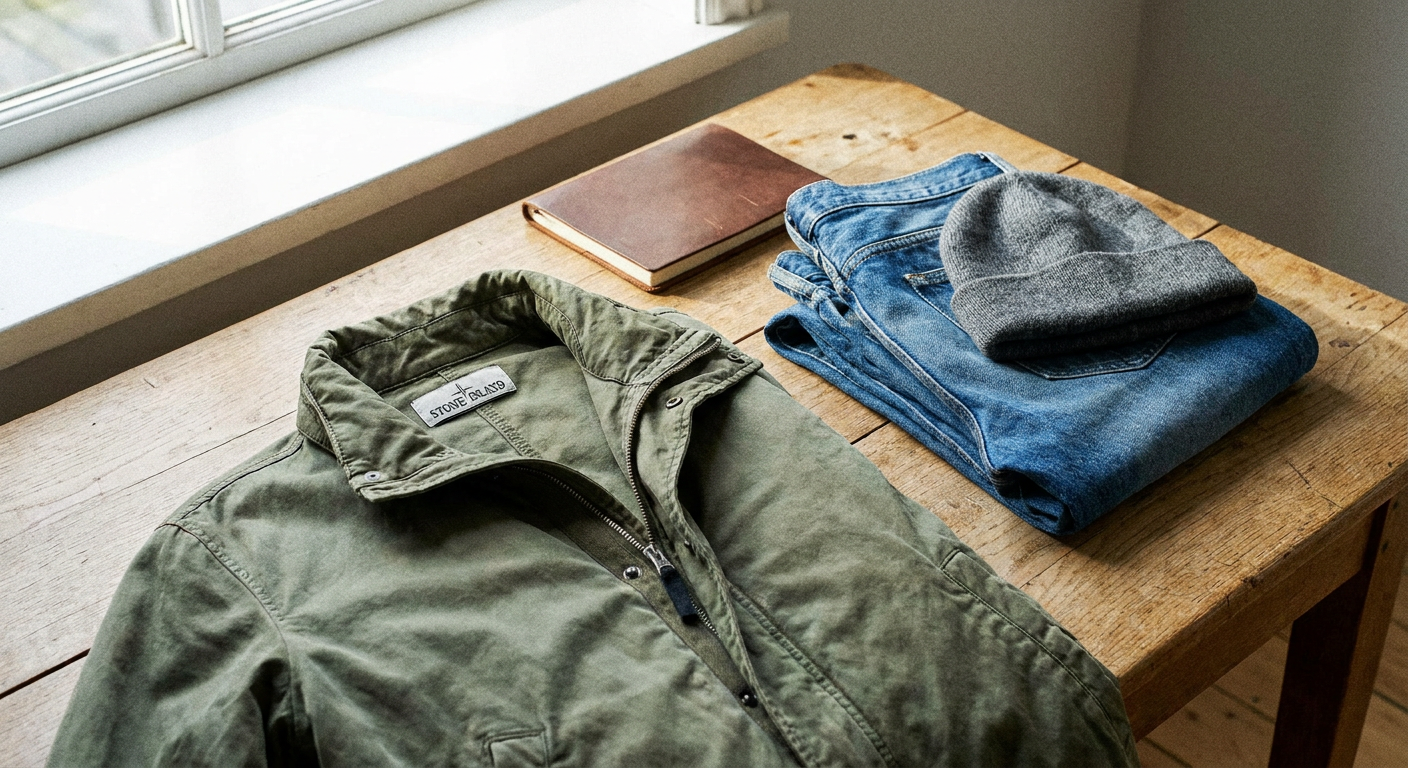
Before they became a full-fledged clothing brand, Norse Projects stocked names like Carhartt and Engineered Garments. That utilitarian influence stuck. Gabardine, a tightly woven, durable twill fabric, has been a consistent feature since the earliest collections. It’s wind and water-resistant by nature, originally developed for trench coats. On a Norse garment, gabardine signals toughness. Look for it in chore jackets, overshirts, and trousers. It often comes in classic navy, black, or olive. If a piece uses gabardine, it’s built to last and designed for everyday wear, not just for show. The patina it develops is part of the appeal.
Ventile: Serious Outerwear
Ventile is for the discerning. It’s a densely woven cotton fabric, developed in the UK during WWII for RAF pilot suits. Its unique property is that when wet, the cotton fibres swell, making the fabric highly water-resistant without the need for synthetic coatings or membranes. This means it breathes exceptionally well. A Norse piece in Ventile isn't cheap new, and it holds its value pre-owned. You'll find it on serious technical jackets like the Thor or Elias parkas. If you see Ventile on the care label, you're looking at a premium item designed for genuine protection from the elements. It’s a fabric choice that speaks to an understanding of heritage performance.
Wool Blends: Danish Winters
Given their Copenhagen origins, knitwear was always going to be central. Norse Projects uses a variety of wools, from fine Merino for base layers to thicker lambswool and Shetland wool for sweaters and cardigans. The blend ratios matter. A pure lambswool knit offers warmth and softness. A blend with nylon or polyamide adds durability and helps maintain shape. Norwegian-made knitwear, crafted in collaboration with mills like Rauma, signifies a commitment to traditional techniques and long-lasting garments. Check the composition: anything with a significant wool content is designed for warmth and comfort.
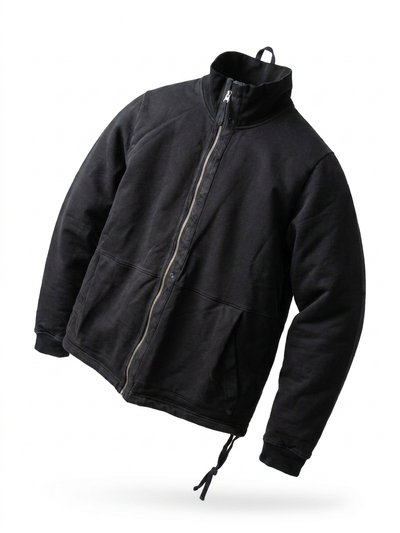
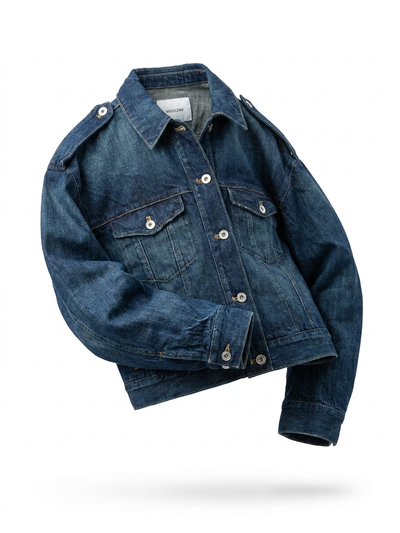
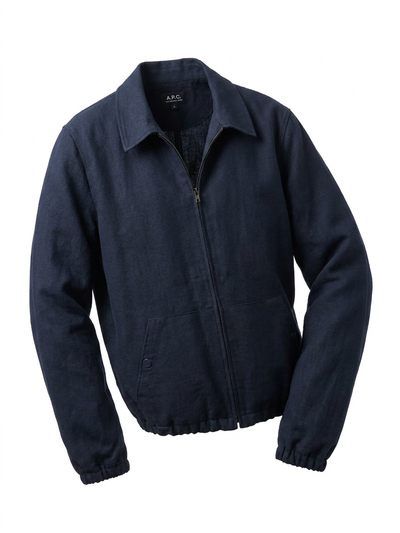
Shop from this article
Gore-Tex: The Modern Standard
While they appreciate natural fibres, Norse Projects isn't afraid of technology. Their collaborations with Gore-Tex date back years, integrating advanced weather protection into clean, Scandinavian designs. Gore-Tex fabrics offer guaranteed waterproof, windproof, and breathable performance. These are the pieces for serious weather. Jackets like the Rokkvi or Thor Gore-Tex models are built for downpours and strong winds. The cost new reflects the technology, so picking these up pre-owned is often the smartest move for high-performance outerwear. The white Gore-Tex patch is always a clear indicator.
Percival & Cotton Poplin: The Lighter Touch
Not everything is about the harsh Nordic climate. For warmer months, Norse Projects leans heavily on lighter cottons. Percival is a fine, high-density cotton often used for shirts. It's smooth, durable, and drapes well. Cotton poplin works similarly, offering a crisp finish. These fabrics denote everyday staples: button-down shirts, lighter trousers, and summer overshirts. They're about comfort and understated style. Patina on these lighter cottons appears as a softening of the fabric and a subtle fading, which simply adds character.
Denim: Selvedge and Durability
Norse Projects' denim programme has always been solid, if understated. They often use Japanese selvedge denim, prized for its durability, unique texture, and the way it fades over time. Selvedge refers to the self-finished edge of the fabric, preventing unravelling, and is typically visible on the outseam when cuffed. The fit names—Aros, Ezra—remain consistent, but the denim itself varies. A heavier weight (14oz+) indicates a more rigid, traditional jean that will break in beautifully. Lighter weights (10-12oz) offer more comfort from the start. A pair of well-worn Norse jeans tells a story, and the fabric is the author. Knowing your fabrics in Norse Projects isn't just an exercise in pedantry; it's practically a guide to their design philosophy. Each material choice is deliberate, dictating function, feel, and value. Understand the cloth, and you understand the garment.