brand focus
3 minute read
Does Norse Projects hold its value pre-owned?
Words by Heather June Coombs
A used Thor mac or a Lindisfarne parka in good condition will always find a buyer. This isn't speculative; it's a direct reflection of their original retail price and perceived longevity.
The question of whether Norse Projects retains its value is not straightforward. Like many contemporary brands that blend classic aesthetics with durable construction, some pieces fare much better on the secondary market than others. Understanding this requires a look beyond the label.
The Core Offering: Outerwear and Heavy Knits
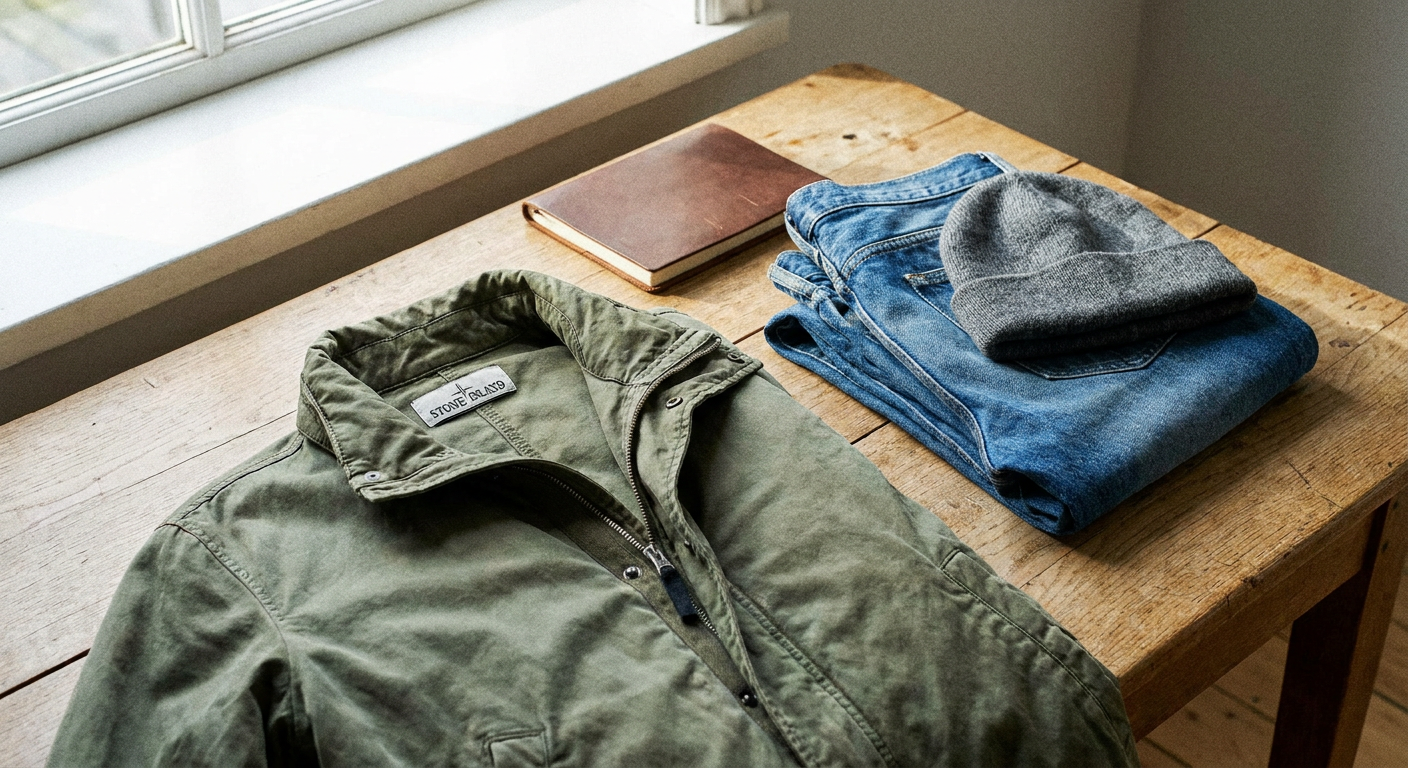
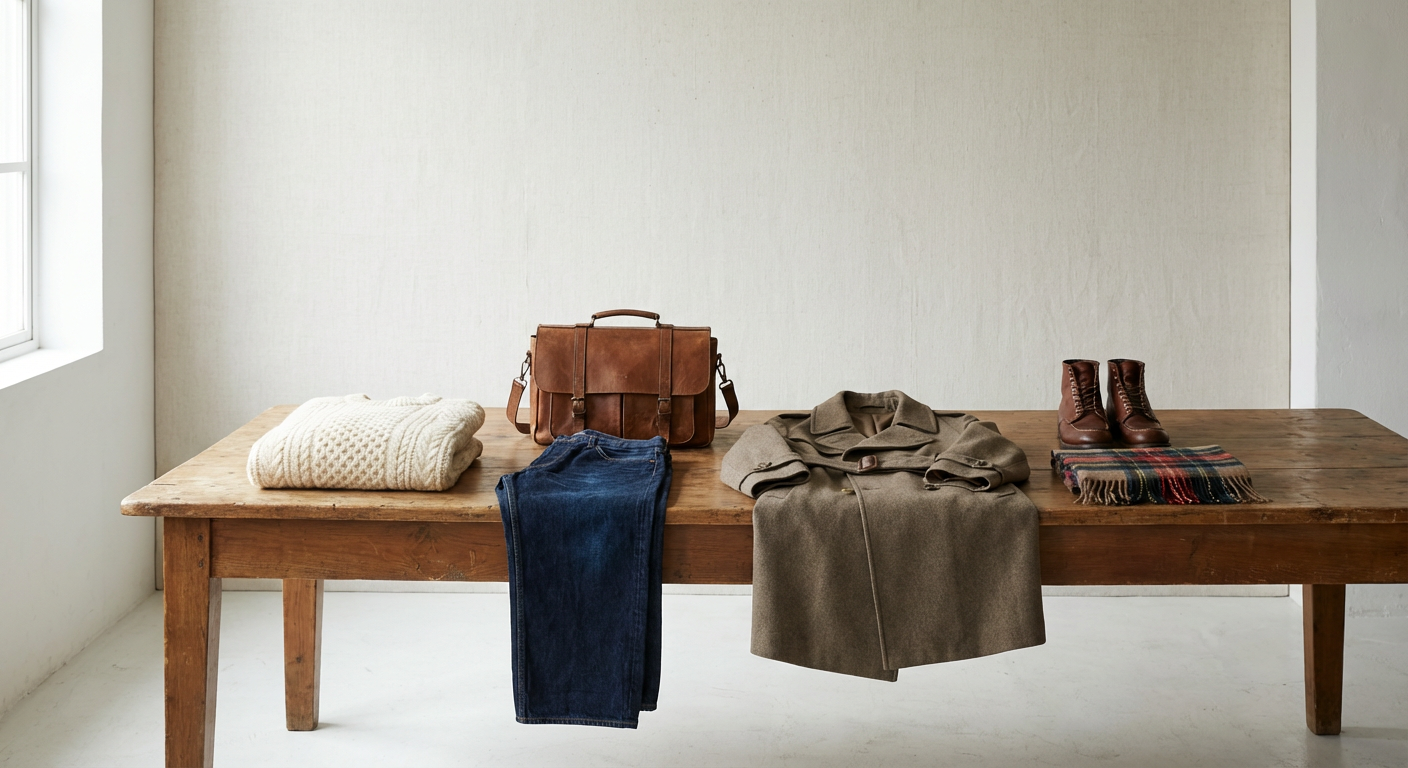
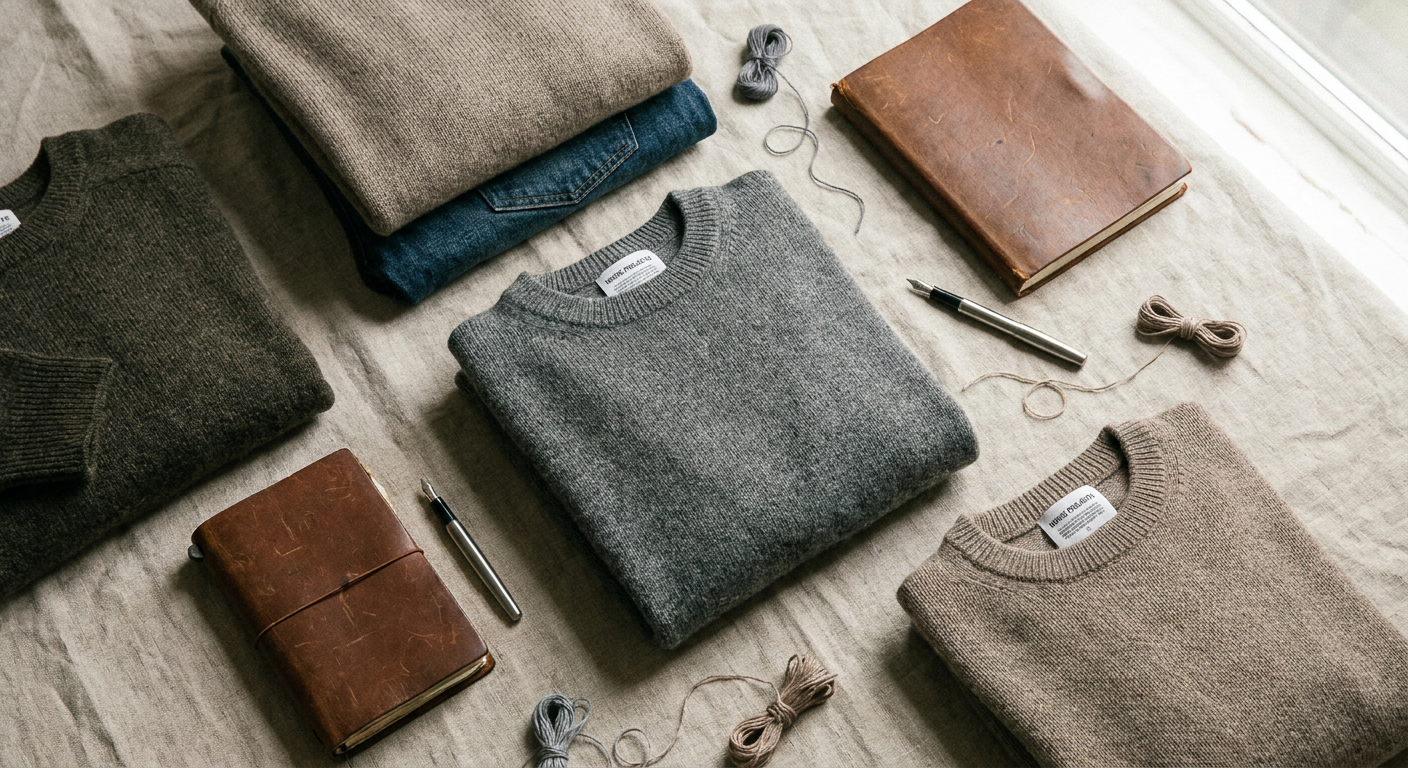
Norse Projects built its reputation on solid, well-made garments. Their outerwear, particularly the technical shell jackets and substantial overshirts, consistently performs best pre-owned. The brand's focus on materials like Gore-Tex, Pertex Quantum, and high-quality moleskin means these items are built to last. A used Thor mac or a Lindisfarne parka in good condition will always find a buyer. This isn't speculative; it's a direct reflection of their original retail price and perceived longevity. Heavy knitwear also holds its own. Their lambswool and Shetland wool jumpers are robust. They develop a patina, but they don't fall apart. Expect to see these go for 40-60% of RRP, depending on condition and season.
The Depreciation Zone: Basics and Graphic Tees
Conversely, Norse Projects’ basic tees, sweatshirts, and lighter shirting rarely retain significant value. The brand's "Norse Projects" logo t-shirts, despite their initial popularity, lose well over half their value immediately. Unbranded basics, while excellent quality for new purchase, face stiff competition on the pre-owned market. Why pay £30 for a used plain Norse Projects tee when a new Arket or COS equivalent is often available for a similar price point? The same applies to basic hoodies and crewnecks. They are well-made, yes, but the market is saturated. Unless it's a particularly sought-after seasonal colour or a collaboration, expect heavy depreciation. Buyers are looking for a bargain, not a slight saving on something easily replaced elsewhere.
Shop from this article
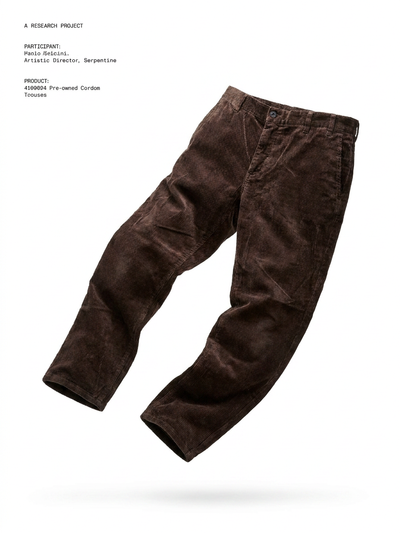
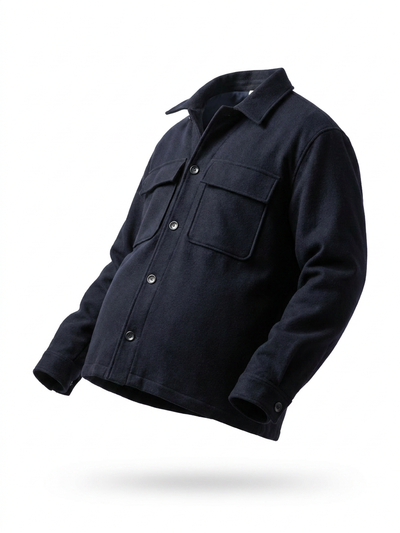
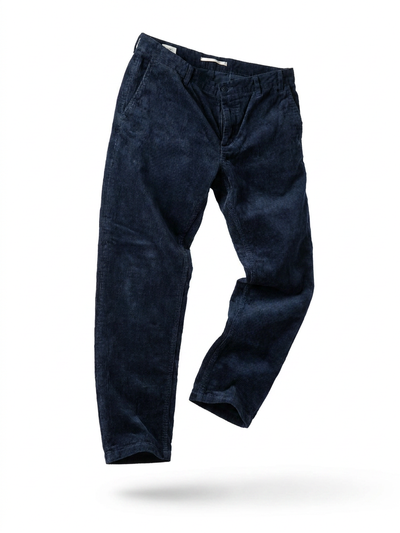
Condition Expectations Pre-Owned
Buyers of Norse Projects pre-owned expect excellent condition. This is not charity shop territory. For outerwear, zips must be fully functional, seams intact, and water repellency (if applicable) largely present. Fading is acceptable on some moleskin or cotton pieces if it's even and adds character. Piling on knitwear is a common issue and will affect value; buyers expect minimal signs of wear unless the price reflects significant use. Footwear, while a smaller part of their output, needs to be near-new. Any significant sole wear or creasing will severely dent resale potential. The same meticulousness applies to accessories like caps and beanies: no stretched elastic, no major bobbling, no stains.
Fabric Performance: What Ages Well
Technical fabrics used in Norse Projects outerwear, such as Gore-Tex, Pertex, and similar proprietary blends, generally age well provided they've been cared for. Look for intact waterproof membranes and DWR coatings that haven't degraded. A key indicator of poor care in Gore-Tex is delamination, where the inner lining separates from the shell; avoid this. Wool, especially their lambswool and Shetland, softens and can develop minor pilling, but holds its structure. Cashmere blends, if present, are more delicate. Cotton twill and moleskin mature nicely, often developing a subtle fade that collectors appreciate. Canvas and ripstop offerings are also robust. Denim is solid but rarely unique enough to command collector prices. For their merino wool items, check for holes, thinning, and misshaping. Merino is fine gauge and can be fragile if not washed correctly. The perceived value ties directly to its structural integrity.
Authentication and Assessment
Norse Projects items are generally straightforward to authenticate. The internal tags are clear, often with fabric compositions and care instructions. Check for consistent stitching, high-quality hardware (often branded zips like YKK or Riri), and the overall feel of the fabric. Labels should be crisp, not faded or peeling. When assessing technical pieces, scrutinise sealed seams for any peeling or detachment. On wool items, check under the arms and elbows, common areas for wear and thinning. The overall drape and hand-feel should align with a premium garment. If it feels thin or flimsy, something is likely amiss. The devil is in the detail. Norse Projects pieces do hold value, but selectively. Outerwear and high-quality, heavy knitwear lead the charge, particularly if made from robust fabrics and maintained well. Basics, while good quality new, simply don't translate to a strong resale prospect. Buy what they do best, keep it in good nick, and you'll mitigate the depreciation hit.