music
3 minute read
Drum and Bass on Vinyl: Where to Start and What to Look For
Words by Heather June Coombs
The reissue is fine. The original is better. Here is why.
The Appeal of DnB on Wax
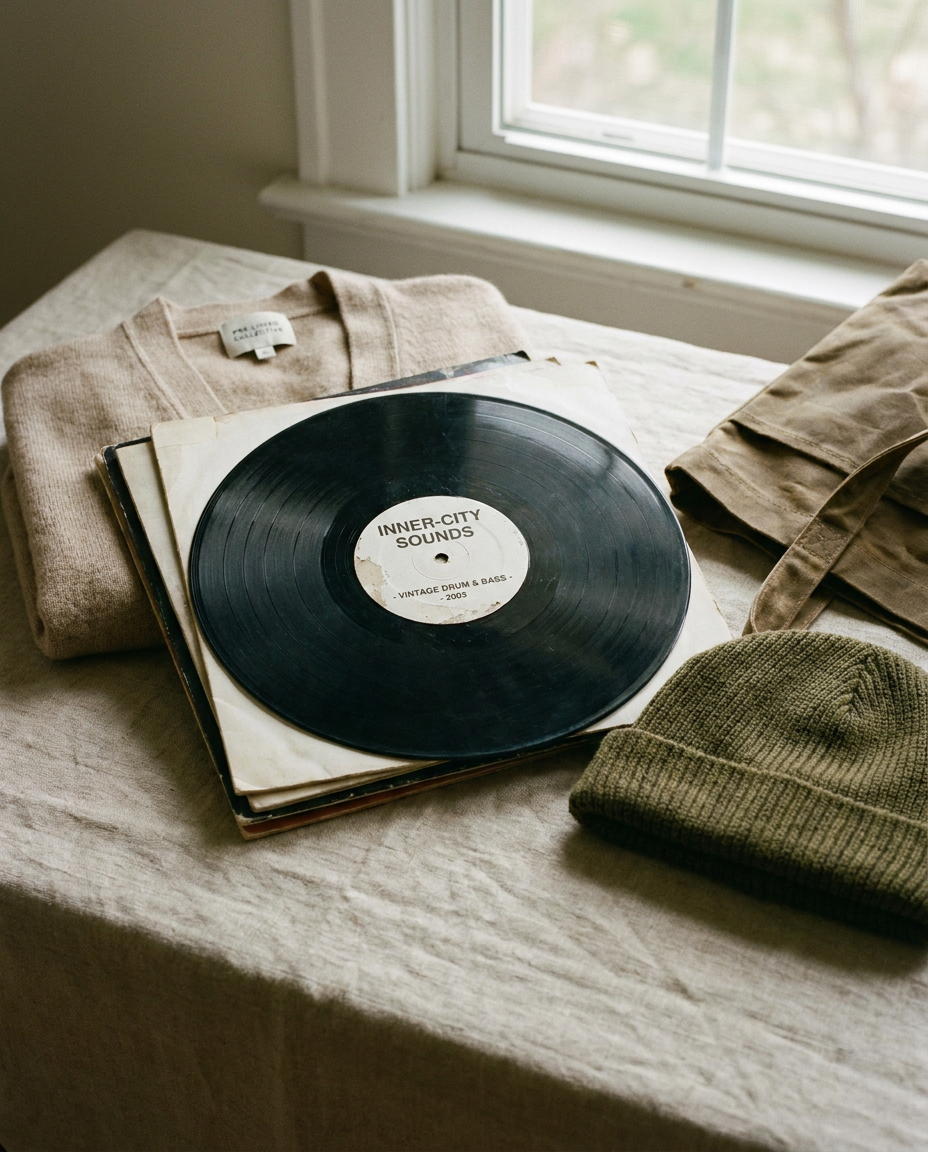
Digital convenience dominates, but for drum and bass, vinyl remains the definitive format. Early productions were engineered for the sound systems of the day. That meant heavy bass that hit differently on a 12-inch. It wasn't just about playback then; it was about the ritual, the DJ culture, the tangible connection to the music.
Collecting DnB vinyl is about sound, yes, but also about history. The sleeve art, the etchings, the track order – it all tells a story. Streaming platforms can't replicate that.
Early Jungle and the Birth of DnB
If you're starting a collection, the roots are essential. Think early 90s. Labels like Suburban Base, Reinforced, and Moving Shadow laid the groundwork. Find original pressings from these eras. They sound raw, untamed. Tunes like 'Timeless' by Goldie or anything from Omni Trio are a good entry point. The sleeves often feature distinctive, often psychedelic, artwork that reflects the era.
Authenticity matters here. Reissues exist, and some are good, but you want the original cut. Look for the label number, compare it to Discogs listings. Pirated copies were common, so be wary of anything that looks off or lacks proper identifiers.
Mid-to-Late 90s: The Golden Era
This is where things truly took off. Labels like Metalheadz, Ram Records, V Recordings, and Full Cycle defined the sound for a generation. This period saw the genre splintering: intelligent DnB, techstep, jump-up. Each subgenre had its flagbearers.
For Metalheadz, look for early Photek, Dillinja, or Source Direct. Ram Records gave us Andy C and Shimon. V Recordings had Roni Size and Krust. Full Cycle, naturally, Bristol's finest. These 12-inches often come with cleaner production and deeper bass. They were designed for big systems, and the vinyl captures that energy.
Demand for these records can be high, so prices vary. Condition is key. A scratch across a crucial bassline is a dealbreaker.
Shop from this article
The 2000s and Beyond
The turn of the millennium saw further evolution. Labels like Hospital Records pushed a more melodic, liquid sound. S.P.Y, London Elektricity, Nu:Tone – their early work on vinyl is highly sought after. Shogun Audio brought in the deeper, darker neurofunk. Critical Music showcased cutting-edge, minimalist sounds. Some of the most interesting releases came on smaller, independent labels during this period.
Often, these records were pressed in smaller quantities. That can make them harder to find, but also more rewarding when you do. The sound quality generally improved with pressing technology, but the raw energy of the 90s sometimes got dialled back.
What to Look For: Condition and Pressing
When buying, always check the vinyl itself. Visual grading is a starting point, but an audible check is better. Scratches, scuffs, and warps are red flags. 'Near Mint' should mean just that: almost perfect. 'Very Good Plus' (VG+) will have some light signs of use but no significant audible defects.
Pay attention to the pressing. First presses often garner the highest value, but not always the best sound. Some later presses used better mastering. Look at the runouts – the etched matrix numbers – to verify the exact version. Discogs is your bible here. It lists release dates, pressing variants, and typical market prices.
Where to Hunt
Online, Discogs is the obvious starting point. Filter by seller location to save on postage. eBay can throw up gems, but be cautious with sellers who offer poor descriptions or photos. Specialist online retailers like Juno Records, Red Eye Records, and Bleep still stock new and repressing. For older, harder-to-find records, record shops in major cities can still hold surprises. London's BM Soho (RIP) was once a mecca; finding smaller, independent shops is now key. Record fairs are also worth attending, though they can be overwhelming.
Start with the tracks you love. Then branch out by label, by artist, by producer. The rabbit hole in DnB vinyl is deep, and worth exploring.
It's not just about what you buy; it's about what you find. And what you can play.