music
3 minute read
How to Clean and Store Vinyl Properly Once You've Bought It
Words by Heather June Coombs
A clean, well-stored record sounds better and holds its value longer.
Bringing Records Home: First Principles
You have acquired new vinyl. Perhaps it was a dig at a market, perhaps an online purchase. Regardless, now it's in your hands, the work of preservation begins. There is no point in accumulating records if they are going to degrade. A clean, well-stored record sounds better and holds its value longer. This is not about obsessive cleaning, but practical care.
The Basic Clean-Up
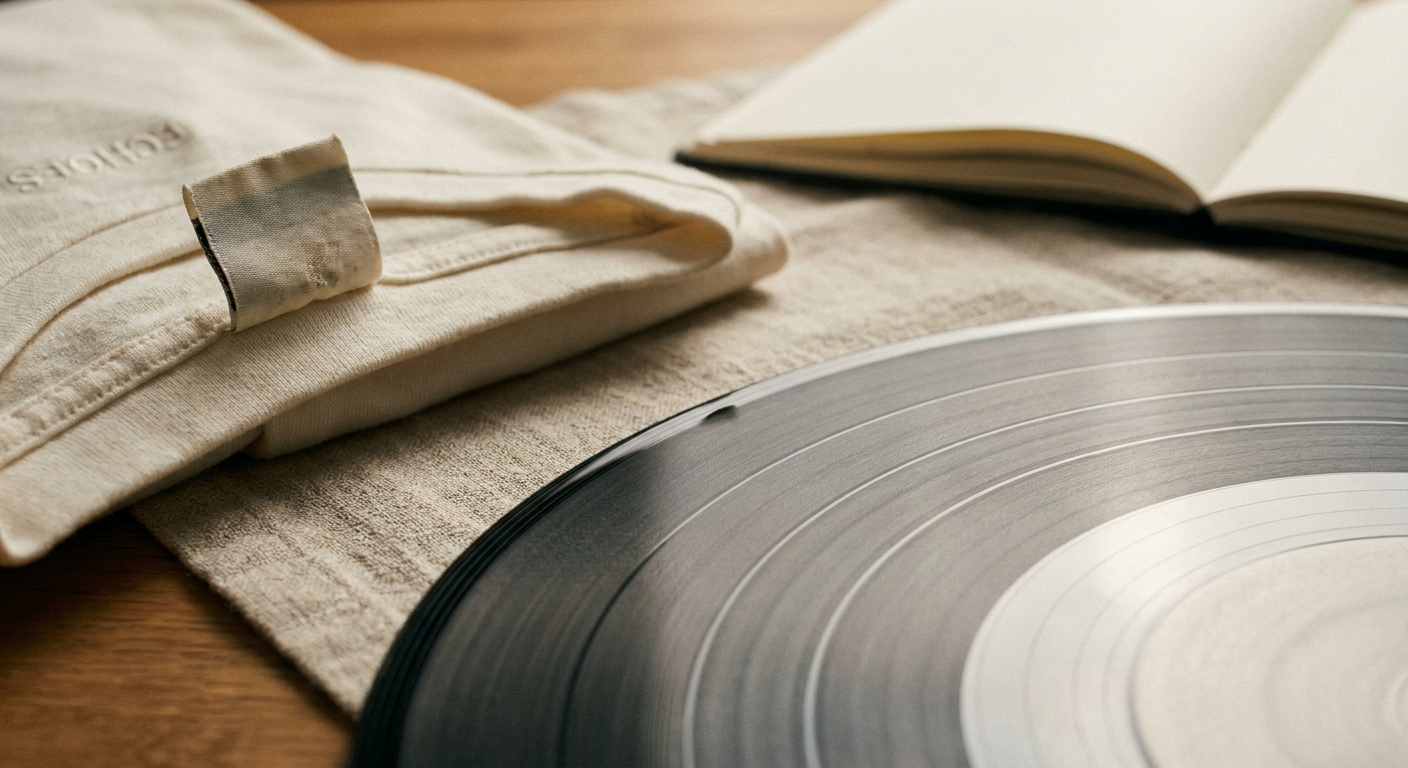
New vinyl, even fresh from the sleeve, often benefits from a quick clean. Factory dust, paper fibres from inner sleeves, and static are common issues. For used records, the problems vary: fingerprints, grime, even mould. A good carbon fibre brush is your first line of defence. Use it before every play. Place the record on your turntable, start it spinning, then gently hold the brush across the grooves for a few rotations. Always brush with the grooves, not against them. This alone removes surface dust and helps reduce static. For more stubborn marks, a wet clean is necessary. There are numerous record cleaning machines on the market, from basic manual systems like the Spin-Clean to expensive vacuum models. A decent system will set you back anywhere from £70 to several hundred. It is an investment if you take collecting seriously. Failing a machine, a simple method involves a lint-free microfibre cloth and a specific record cleaning solution. Do not use household cleaners or alcohol-based solutions not designed for vinyl. They can damage the delicate PVC. Apply a small amount of solution to the cloth, wipe with the grooves, then use a dry, separate microfibre cloth to thoroughly dry the surface. Make sure no moisture remains before playing or storing.
Inner and Outer Sleeves: Essential Protection
The paper inner sleeves that come with many new records are often the problem, not the solution. They shed dust and can scratch the vinyl during removal and insertion. Replace paper inner sleeves with anti-static archival sleeves. Poly-lined paper sleeves offer a good compromise between protection and rigidity. Fully polypropylene sleeves are slicker and eliminate static more effectively. This immediate upgrade prevents microscopic scratches and static build-up. Outer sleeves protect the album artwork from ring wear, scuffs, and shelf life damage. Thick, crystal-clear polypropylene sleeves are best. Avoid thin, flimsy plastic covers that tear easily or obscure the artwork. They should fit snugly but not so tight that they cause damage when inserting or removing records.
Shop from this article
Storage Conditions: Mind the Environment
Vinyl is sensitive to temperature, humidity, and light. Direct sunlight is the enemy. It causes warping and colour fading on album artwork. Store records away from windows and direct heat sources like radiators. Stability is key. Records should be stored vertically, not stacked. Stacking creates pressure points that can lead to warping over time. Dedicated record storage units or sturdy shelves are essential. Bookshelves often suffice, provided they are strong enough to bear the weight. Humidity control is less critical in the UK than in more extreme climates, but excessively damp environments can encourage mould growth, particularly on album jackets. A consistent room temperature, between 18-24°C, is ideal. Avoid attics or basements prone to large temperature and humidity fluctuations.
Handling Your Records: The Right Way
It sounds obvious, but proper handling prevents a multitude of issues. Always hold a record by its edges or the label. Never touch the playing surface. Fingerprints leave oily residues that attract dust and cause skips. When removing a record from its sleeve, slide it out smoothly. Do not force it. Support the record evenly as you place it on the platter. When returning it, align the inner sleeve carefully within the outer jacket to avoid snagging or bending the corners. These small actions extend the life of both your records and their sleeves. This is not about turning your hobby into a chore. It is about understanding that a record, like any valuable object, responds to care. The sounds you hear depend on it.
Long-Term Care: What to Watch For
Even with the best practices, records can develop issues. Regularly inspect your collection. Look for signs of mould, especially around the edges of the label or on the grooves. If mould appears, a thorough wet clean is needed using an anti-bacterial solution designed for vinyl. Warping is another common problem. Minor warps often do not affect playback significantly. Severe warps, however, can cause tracking issues and damage your stylus. Preventative storage is the best solution. If a record does warp, some collectors use methods involving heat and pressure, but these carry risks and are not always successful. Record collecting is a commitment. Looking after your records protects your investment and ensures a better listening experience. Neglect them, and you might as well be streaming.