factory records
3 minute read
Factory Records on Vinyl: The Catalogue Worth Collecting
Words by Heather June Coombs
Factory didn't just sell records; it sold artefacts.
A Start in Manchester, 1978
There is no other label quite like Factory. From its inception in 1978, born out of Manchester's post-punk ferment, it wasn't just a record label. It was a philosophy. A stark, minimalist aesthetic that extended from the groundbreaking music it released to the iconic artwork that housed it.
Tony Wilson, the driving force behind it all, understood that presentation was key. Factory didn't just sell records; it sold artefacts. Each release was given a catalogue number, a defining characteristic that allowed enthusiasts to chart the label's history, not just its hits.
The Iconic Early Works
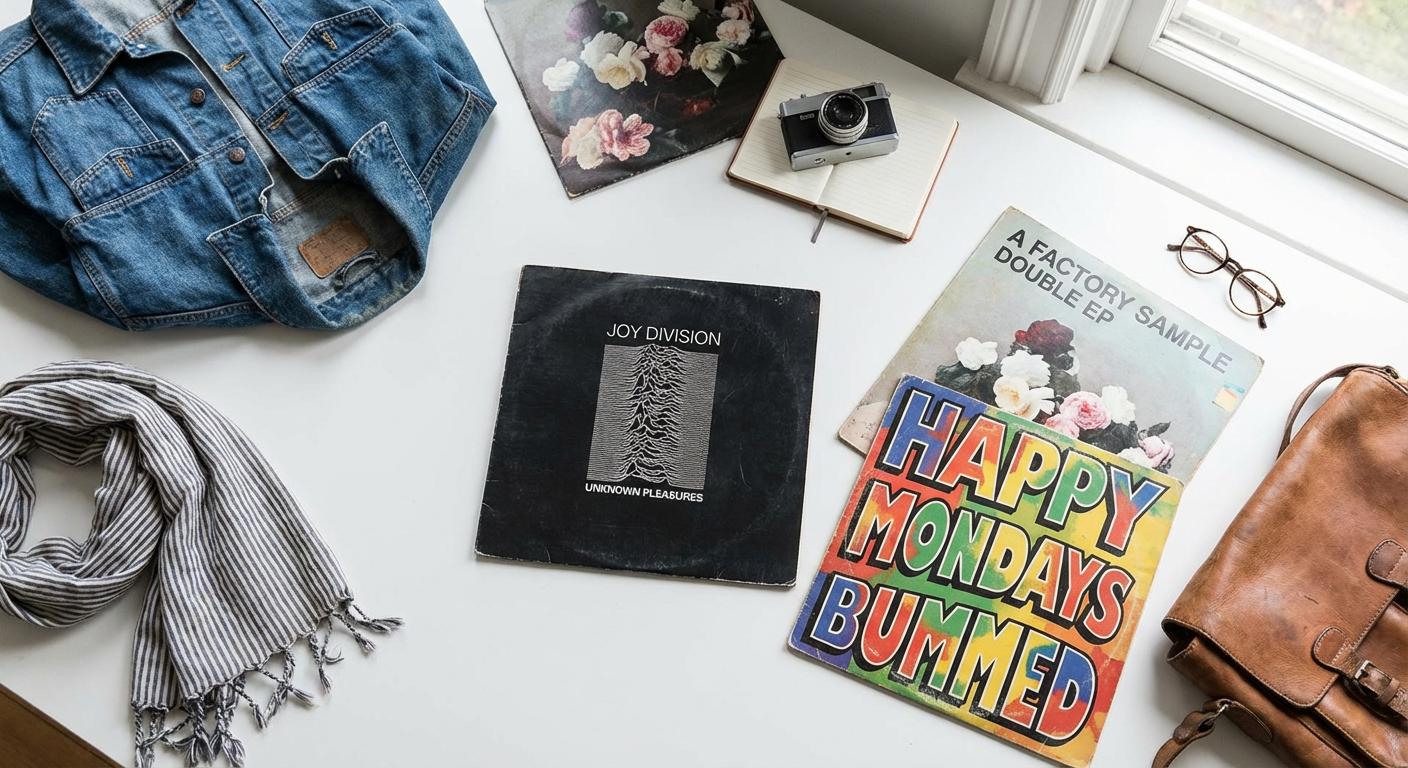
Joy Division's output remains the cornerstone of Factory's early catalogue. Unknown Pleasures (FAC 10) from 1979 set a new standard for post-punk, its stark sound production and Peter Saville's legendary sleeve design becoming instantly recognisable. Find an original pressing, and you're holding a piece of music history.
Closer (FAC 25), released after Ian Curtis's death, is arguably even more revered. The textured sleeve, the mournful beauty of the music – it's a record that still resonates. Original copies are sought after, particularly those from the first run with textured inner sleeves and thicker vinyl.
After Joy Division came New Order. Their early singles, like "Blue Monday" (FAC 73), were groundbreaking. The die-cut sleeve, designed by Saville, cost more to produce than the song earned in initial sales. This disregard for traditional economics became a Factory hallmark, often to its detriment financially, but always to its artistic credit.
Madchester and Beyond
The late 80s brought the "Madchester" scene, and Factory was at its epicentre. Happy Mondays became the label's next big success story, culminating in albums like Pills 'n' Thrills and Bellyaches (FAC 320). Its groove-laden, drug-addled sound perfectly captured the zeitgeist. Finding early pressings of these, especially in good condition, is increasingly difficult.
The label's willingness to experiment extended to other acts, even if they didn't reach the same commercial heights. The Durutti Column, A Certain Ratio, and Section 25 all contributed to Factory's diverse sound palette. Their records, though sometimes overlooked in favour of the bigger names, are often incredibly rewarding finds for collectors. They represent the depth and breadth of Wilson's vision.
What to Look For: Pressings and Condition
Collecting Factory records often means navigating multiple pressings. Early Joy Division and New Order LPs saw numerous reissues to keep up with demand. Key indicators of an original or early pressing include: the etched matrix numbers (often featuring 'A PORKY PRIME CUT' or 'STRAWBERRY' for mastering), initial inner sleeve designs, and the quality or weight of the vinyl itself.
Condition is paramount. Factory sleeves, while iconic, were often delicate. The embossed texture of Unknown Pleasures, the die-cut of "Blue Monday," or the intricate designs for Happy Mondays sleeves are all prone to wear. A clean, uncreased sleeve adds significant value. Vinyl should be free from scratches, warps, and surface noise, especially for records known for their quiet passages.
Catalogue Numbers as a Narrative
The beauty of Factory's catalogue system (FAC followed by a number) is that it allowed for anything. Posters (FAC 1), films, club nights (FAC 51 for The Haçienda), even court cases were assigned a number. This holistic approach meant that the sum was greater than its parts. Collecting Factory isn't just about the music; it's about the complete artistic statement. It's an archive of a moment in time, meticulously documented.
Finding a complete run of early singles or LPs from a particular artist, or even trying to collect every FAC number you can, becomes a compelling pursuit. Each record is a chapter in the Factory story, a tangible link to a label that changed how music was presented, consumed, and remembered.
Factory Records was a triumph of art over commerce, often quite literally. Their records aren't just sound recordings; they are cultural touchstones, each one a testament to audacious vision and uncompromising style. The originals remain definitive.