brand focus
3 minute read
Fred Perry vs Lacoste: Which Holds Its Value Better Pre-Owned
Words by Heather June Coombs
Lacoste's ubiquity often means its standard pieces rarely become investment items. They are a reliable, affordable pre-owned choice, not a flip.
The Tennis Shirt Standard
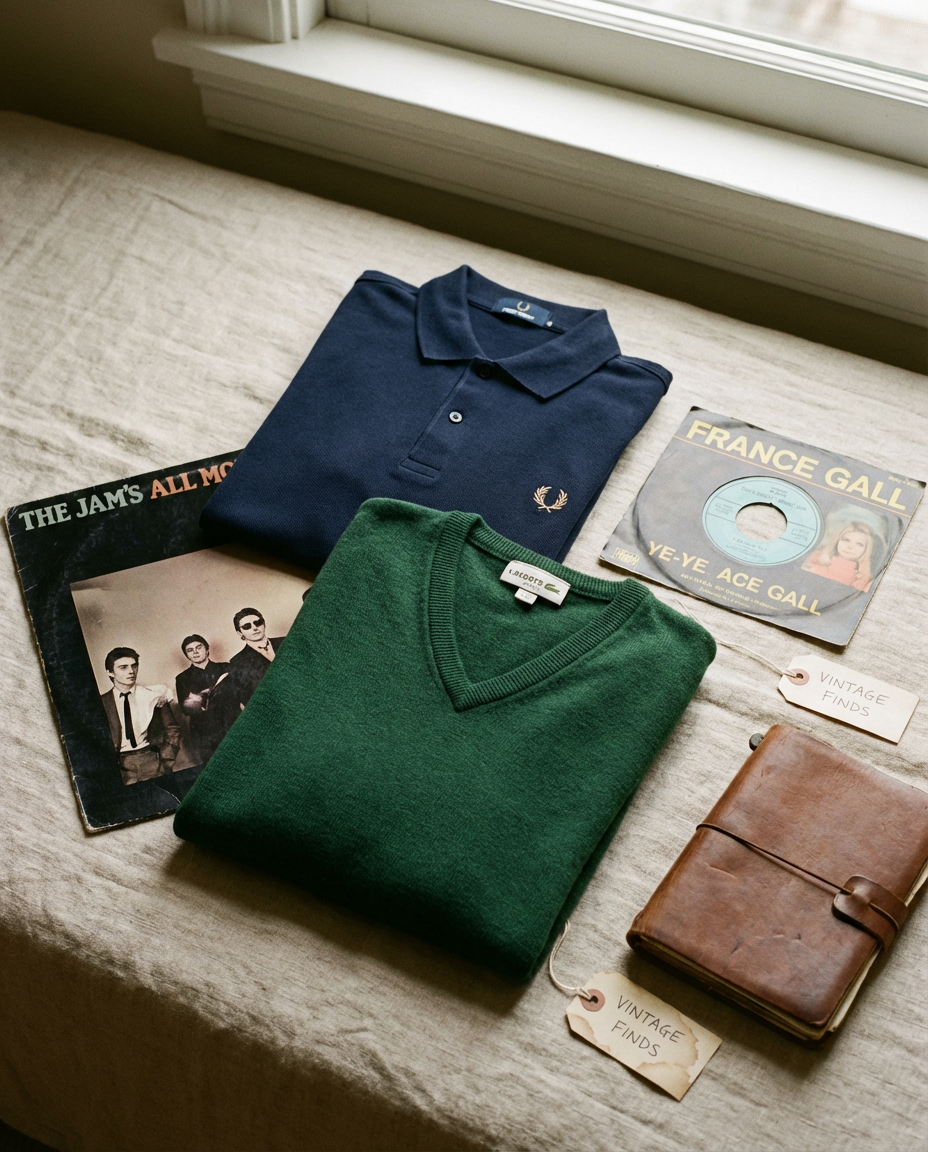
Fred Perry and Lacoste. Two names synonymous with the pique polo, worn by everyone from tennis champions to terrace casuals. Both global brands, both with a deeply ingrained cultural footprint. But when it comes to the pre-owned market, which one truly holds its value?
It is not a simple question of quality or initial price point. Resale value is a cocktail of heritage, current desirability, and the vagaries of trends. Let's break down where these two stalwarts stand.
Establishing the Baseline: Brand Heritage
Lacoste, founded by René Lacoste in 1933, often claims the original tennis shirt. Its Crocodile logo is globally recognised, a symbol of relaxed elegance. Think French Riviera, country clubs, and a certain transatlantic polish.
Fred Perry, established in 1952 by British tennis star Fred Perry, has a different story. Its laurel wreath logo, initially inspired by the Wimbledon emblem, fast became a Mod and then a skinhead signifier. It is about rebellion, subculture, and a distinctly British edge. This cultural adoption has profoundly impacted its standing in the secondary market.
Consider the core product: the pique polo. Both are well-made. Both use good cotton. But the associations each shirt carries are vastly different. One represents an aspirational lifestyle; the other, an identity.
The Resale Dynamic: Lacoste
Lacoste polos are ubiquitous. This is both a strength and a weakness for resale. Their broad appeal means constant availability. You can find vintage Lacoste easily, often in good condition, and for reasonable prices.
The standard Lacoste L.12.12 polo, their classic model, typically sells for £20-£40 pre-owned, depending on condition and seller. Limited editions or collaborations can command slightly more, but these are rarer. The brand's more contemporary fashion pieces, often found at department stores, tend to depreciate sharply.
The resale market for Lacoste is driven primarily by its recognisable logo and perceived quality at a low price point. It is a good bargain, rather than a valuable commodity.
Shop from this article
The Resale Dynamic: Fred Perry
Fred Perry's resale narrative is more complex, and often more rewarding for sellers. The M36 (slim fit) and M12 (original fit) polos are key, especially in specific colourways tied to subcultural movements.
An original M12 Fred Perry polo in a desirable contrasting tipping — say, black with yellow/yellow or white with ice/navy — will consistently fetch £35-£60. Collaborations, particularly with brands like Comme des Garçons, Raf Simons, or niche outlets like Oi Polloi, can go significantly higher, sometimes exceeding their original retail price.
Beyond the polos, Fred Perry's track jackets and knitwear, especially vintage or those with specific branding details, also hold strong. There is a collector's element here, driven by cultural affiliation and a finite supply of specific releases.
Why the Discrepancy?
The key difference lies in the fan base. Lacoste has consumers; Fred Perry has adherents. The latter group is often more dedicated, more knowledgeable, and more willing to pay for specific iterations, colours, or historical connections.
Fred Perry has also been more successful at leveraging collaborations that resonate with its core audience and create genuine hype, which translates directly to higher secondary market prices. While Lacoste does collaborations, they often feel more commercial and less rooted in cultural cachet.
Essentially, Fred Perry's consistent alignment with various youth movements – from Mods to punks to Casuals – has given its products a narrative that adds value beyond their material components.
The Verdict
For consistent, strong resale value on staple items, Fred Perry edges out Lacoste. While both offer excellent pre-owned value for buyers seeking quality at a lower price, Fred Perry's specific cultural relevance and successful collaborations mean its pieces, particularly polos and heritage items, are more likely to appreciate or at least hold their value significantly better.
If you are buying either for personal wear, both are solid choices. If you are buying with an eye on retaining value, or even making a profit, focus on specific Fred Perry models and coveted collaborations. The Crocodile is classic, but the Laurel Wreath often has more muscle in the secondary market.
Related articles