brand focus
3 minute read
Why Stone Island Holds Its Resale Value Better Than Almost Any Other Brand
Words by Heather June Coombs
The reissue is fine. The original is better. Here is why.
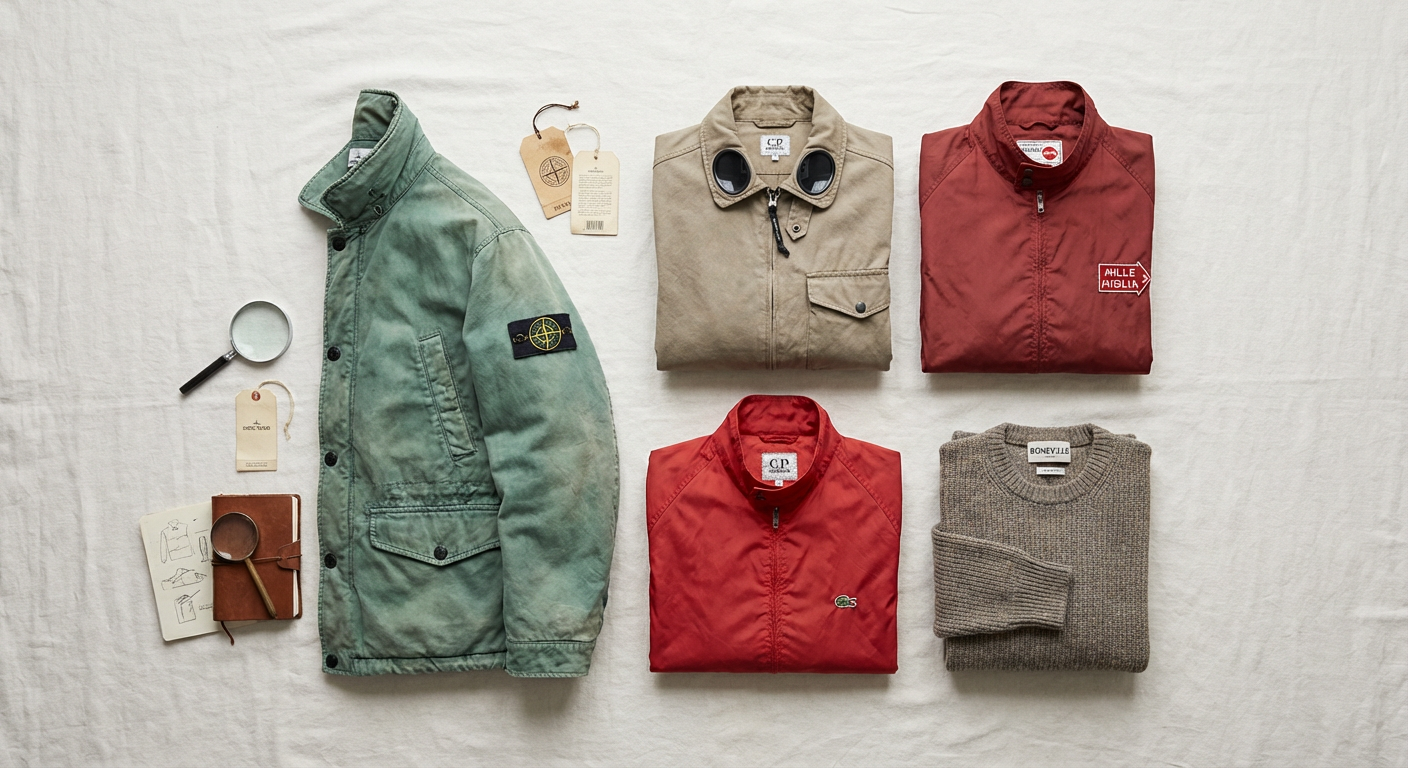
The Stone Island Badge: More Than Just a Logo
Stone Island pieces command significant prices on the pre-owned market. Often, a nine-year-old jacket will sell for more than its original retail price. This isn't common. Most brands depreciate fast, sometimes severely. Stone Island retains value through a combination of engineering, brand narrative, and a tightly controlled distribution model. It's a formula others have tried to replicate. Few have succeeded.
Engineering as a USP
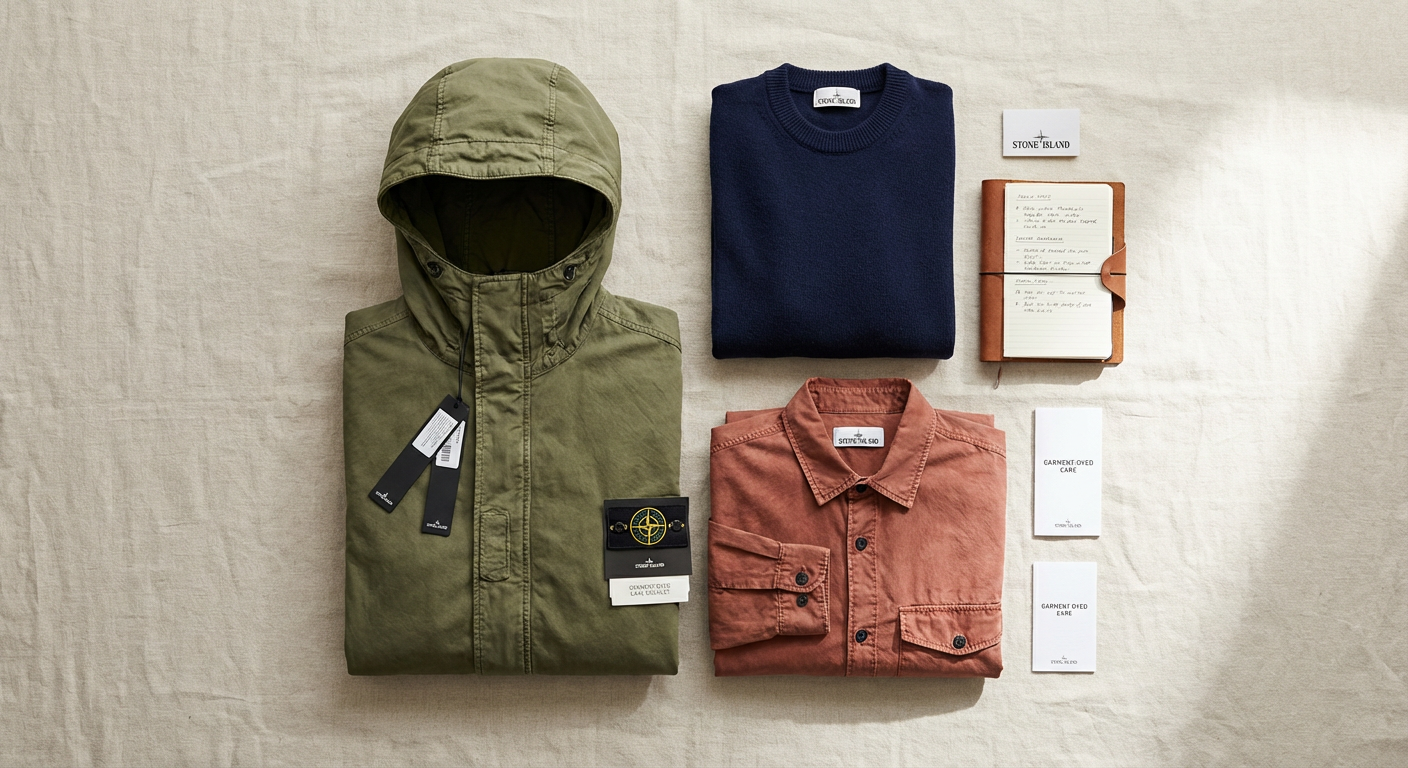
Massimo Osti began Stone Island in 1982. He was experimenting with naval tarpaulins. The ‘Tela Stella’ fabric was a result: waterproof, robust, and dyed by garment washing at high temperatures. This process – garment dyeing – became a cornerstone of the brand. It allowed for unprecedented colour depth and unique, slightly faded finishes. Each piece is dyed after construction, not from pre-coloured fabric. This is complex and expensive. The brand's fabric research unit is still obsessive. Thermo-sensitive fabrics change colour with temperature. Micro-Reps weave dense, wind-resistant nylon. Liquid Crystal Technology reacts to light. These aren't just gimmicks. They are genuine innovations in textile science. Garments are often made from several different fabrics, each treated distinctively. This makes the construction process arduous and costly, but it results in a product built to last physically, and to stand out visually. Quality dictates value.
A Cult Following, Not a Marketing Budget
Stone Island’s early adoption by the ‘Casuals’ subculture in the UK cemented its status. This wasn't a marketing strategy. It was organic. Football fans travelling through Europe discovered the brand on the continent. It provided a uniform: technically advanced, expensive, and largely unknown in the UK. Wearing it was a statement. It marked you out. This association has been both blessing and curse. It gave Stone Island an aura of authenticity. It also meant a brief period where the branding became synonymous with certain unsavoury elements. Carlo Rivetti, the brand's CEO since 1996, navigated this by never shying away from the brand's roots but continuing to evolve the product. He chose collaboration and limited drops over mass-market saturation. This careful curation fosters desire.
Scarcity and Specificity
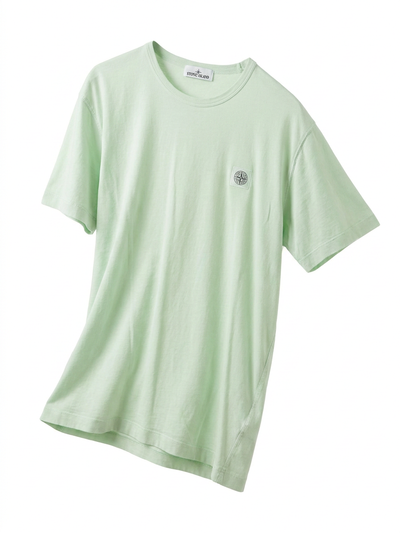
Stone Island doesn't flood the market. Its distribution is controlled. Collections are released in specific drops. Certain pieces, like the Ventile Smock or specific Shadow Project collaborations, are produced in extremely limited numbers. If you missed it, you missed it. This scarcity drives demand on the pre-owned market. Look at the Ventile Smock again. It holds its value better than almost anything else. Why? Technical fabric, a classic silhouette, and relatively low production numbers. Compare that to a Stone Island logo t-shirt. It's still good quality, but it's more widely available. It doesn't have the same technical story. Its resale value is significantly lower. Specific details matter: the generation of the badge, the fabric treatment, the season it was released. Collectors know these distinctions.
The Shadow Project Effect
Started in 2008, Stone Island Shadow Project is the brand’s experimental sub-line. It pushes boundaries in fabric, construction, and design even further than the main line. It often feels like a testing ground for future innovations. Designs are more avant-garde. Production numbers are even smaller. This has a ripple effect. It enhances the perception of the main line as technically advanced. Shadow Project pieces themselves are highly sought after on the secondary market. Their complexity and limited runs make them investments for serious collectors. It’s an example of how carefully segmented product lines can reinforce overall brand value.
Shop from this article

Why it Matters for the Buyer and Seller
For the buyer on Patina, Stone Island represents durable quality and a distinctive style that transcends fleeting trends. You are buying an engineered garment with a story. For the seller, it's about recognising the inherent value in an object that was designed to last and built with uncommon precision. It's not just pre-owned clothing. It’s pre-owned investment.