music
3 minute read
Hip-Hop Vinyl Collecting: Originals vs Reissues on the Key Albums
Words by Heather June Coombs
The reissue is fine. The original is better. Here is why.
The Weight of the Wax: Originals vs. Reissues
Hip-hop vinyl collecting is a minefield. The landscape is littered with questionable pressings, bootlegs, and reissues that range from essential to insulting. For the serious collector, the original press is often the holy grail. But that's not always the best sounding option, or even the most financially sensible one.
Deciding between an original and a reissue means weighing a few factors: sound quality, collectability, and budget. Sometimes, the choice is clear. Other times, it's a genuine debate.
The Golden Era: Digging for First Presses
For albums released during hip-hop's golden era, roughly 1987-1996, original pressings often carry significant weight. Think Public Enemy's It Takes a Nation of Millions to Hold Us Back, or Nas's Illmatic. These were pressed before vinyl's decline, often in smaller runs, and they hold a specific sonic character.
Originals of these records command high prices on the secondary market. The first US pressing of Illmatic, for example, can easily hit three figures in good condition. The attraction isn't just scarcity; it's the history, the artefact status. Holding that original pressing connects you directly to the moment it was released.
Sound quality can be a mixed bag. Early pressings weren't always audiophile-grade. Many were cut from tape masters not optimised for vinyl. But when they hit, they hit hard. The raw energy of a 1980s hip-hop record on original wax is often unmatched by later reissues.
The 2000s and Beyond: Reissues Step Up
The 2000s saw a downturn in vinyl production. Many classic hip-hop albums from this period—think Madvillainy or J Dilla's Donuts—were pressed in limited numbers, if at all, for a niche market. This is where reissues become crucial. Without them, access to these albums on wax would be almost impossible for most.
Labels like Stones Throw and Rhymesayers have been particularly good at managing their back catalogues, offering well-produced reissues. Often, these reissues benefit from improved mastering techniques, sometimes even from high-resolution digital files that weren't available during the initial press run.
Shop from this article
Take MF DOOM's discography. Many of his early 2000s albums, like Operation: Doomsday, have seen numerous reissues. While an original Metal Face pressing might be a collector's dream, a recent repress from a reputable label often sounds fantastic and costs a fraction of the price.
Sound Quality: It's Not Always Black and White
The common wisdom is that originals sound best. This isn't always true, especially for hip-hop. Many golden era records were pressed cheaply, on thin vinyl, and from masters that were not always ideal. A well-executed reissue, cut from new masters and pressed on heavier vinyl, can sometimes outperform an original.
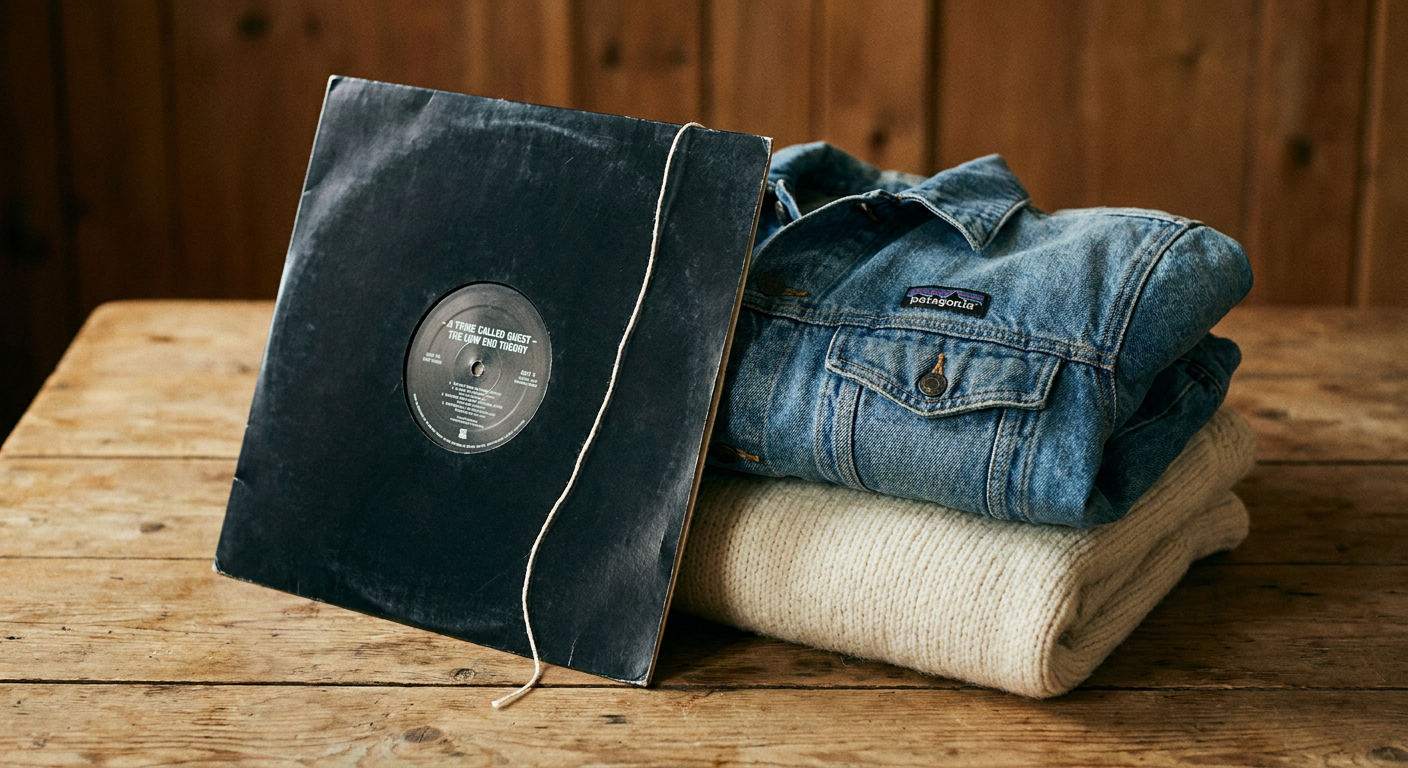
Analogue Productions' reissue of A Tribe Called Quest's The Low End Theory is a good example. It's often praised for its fidelity, potentially surpassing the thinner original pressings. But it's also a high-end, expensive reissue. Not all reissues are created equal.
Conversely, some reissues are notorious for being poor. Digital files sourced from CDs, poor mastering, or "loudness war" compression can ruin a reissue. Research is key. Consult Discogs reviews and audiophile forums before buying.
Collectability vs. Listening: A Balancing Act
For some, collecting hip-hop vinyl is about owning a piece of history. The rarity, the specific matrix etchings, the original artwork – these are paramount. For others, it's simply about hearing the music as intended, on a physical format.
If you're purely a listener, a quality reissue often makes more sense. You get the tactile experience of vinyl, potentially better sound, and you save a significant amount of money that can be spent on more records. If you're a completist or an investor, originals are the target.
Ultimately, the choice comes down to personal priorities. Do you want to own the artefact, or simply the best sonic representation of the music? Sometimes, you can have both. More often, a compromise must be made.
The hip-hop vinyl market is robust, and both originals and reissues have their place. Understanding the nuances of each can make for a more rewarding collecting journey, whether you're chasing a grail or just building a solid listening library.