buying guides
3 minute read
How to Build a Winter Wardrobe Entirely From Pre-Owned
Words by Heather June Coombs
A good coat from a reputable brand, even if pre-owned, will always be a better investment than a new one from a lesser label.
The Cold Truth About Winter Gear
Buying new winter clothing can feel like a necessary evil. The prices for decent coats, knitwear, and sturdy boots are steep. The temptation to cut corners often leads to cheap, disposable items that barely last a season. There is another way. A robust, stylish winter wardrobe built entirely from pre-owned items is not only achievable but often superior to buying new.
You avoid the immediate depreciation of a new garment. You get better quality for your money. And, crucially, you sidestep the environmental impact of fast fashion production. It requires a bit more thought and a sharper eye, but the results speak for themselves.
Start With the Outer Layer
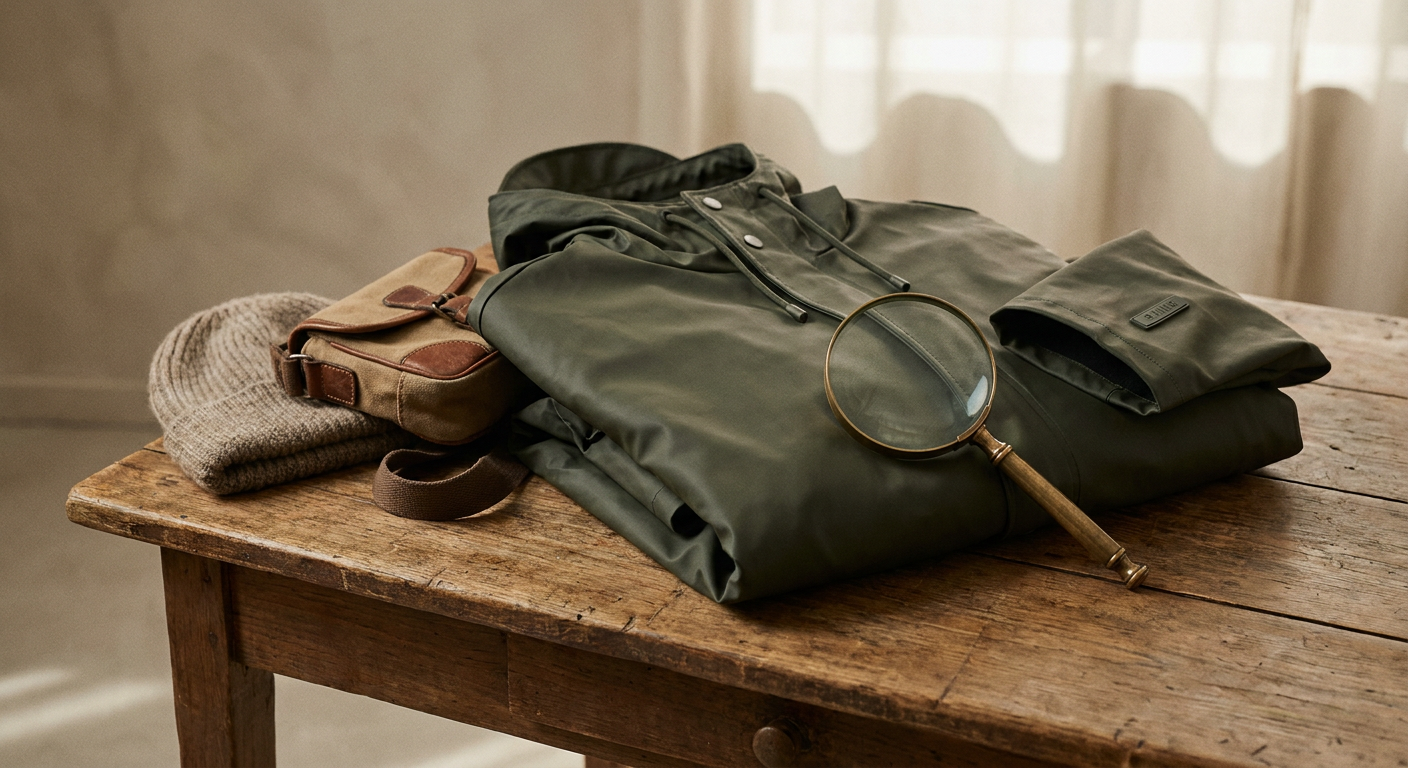
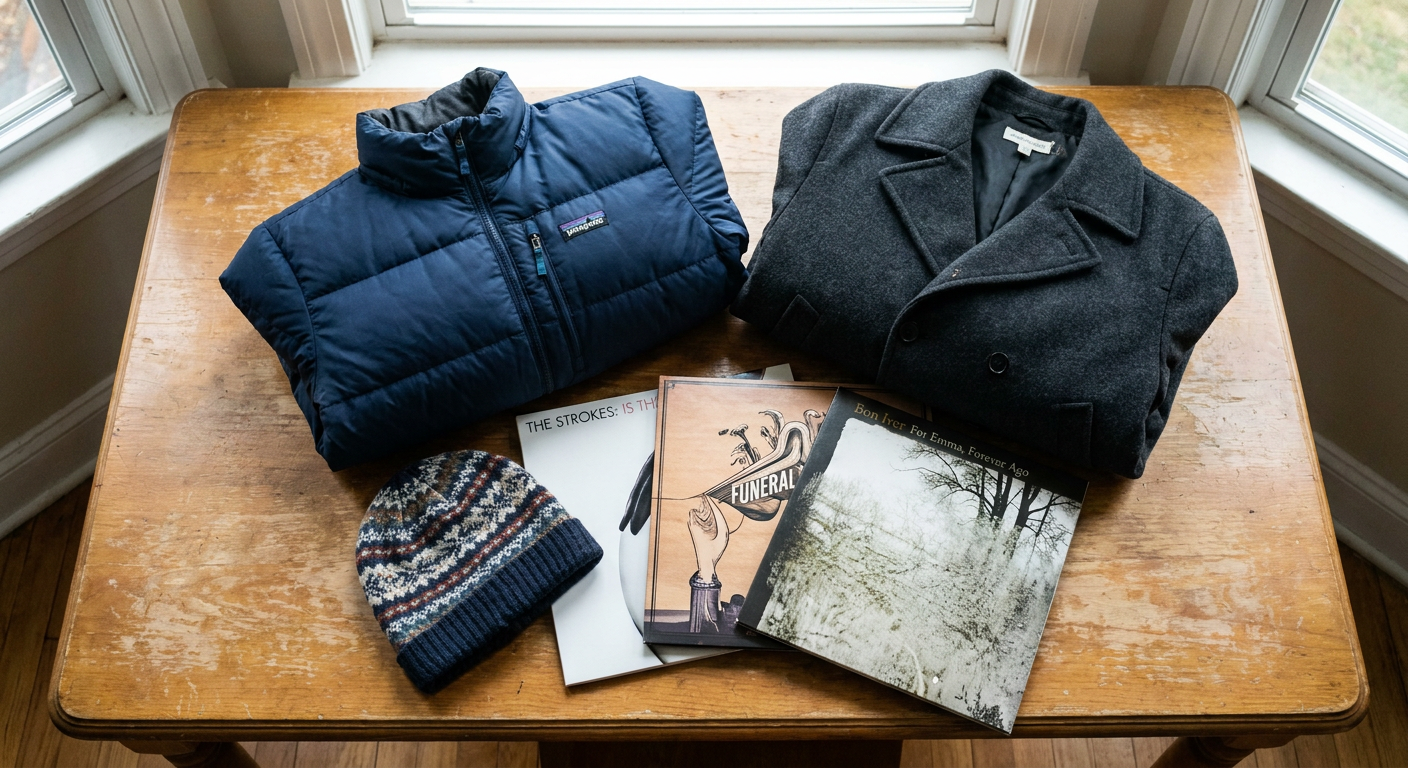
Your coat is the cornerstone of any winter outfit. This is where pre-owned makes the most sense. Brands like Barbour, Belstaff, The North Face, and Patagonia produce outerwear built to last decades. A well-maintained waxed jacket from Barbour, for instance, only gets better with age. The patina is part of its appeal.
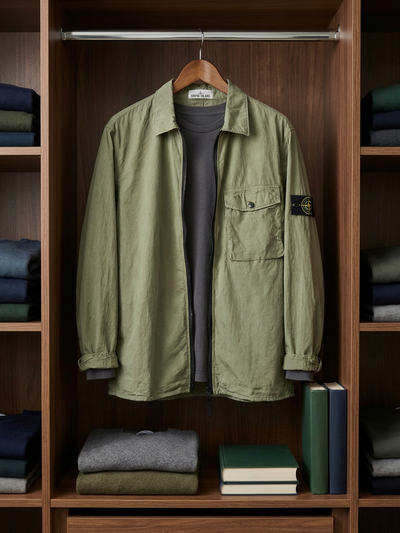
Look for solid construction, working zips, and minimal damage. Stains or minor tears can often be repaired. Check the lining for significant wear. Brands like Stone Island or C.P. Company offer exceptional warmth and weatherproofing, and their resale value reflects their quality. A good down jacket, even a few years old, will still outperform most high-street offerings.
The Mid-Layer: Knitwear and Fleeces
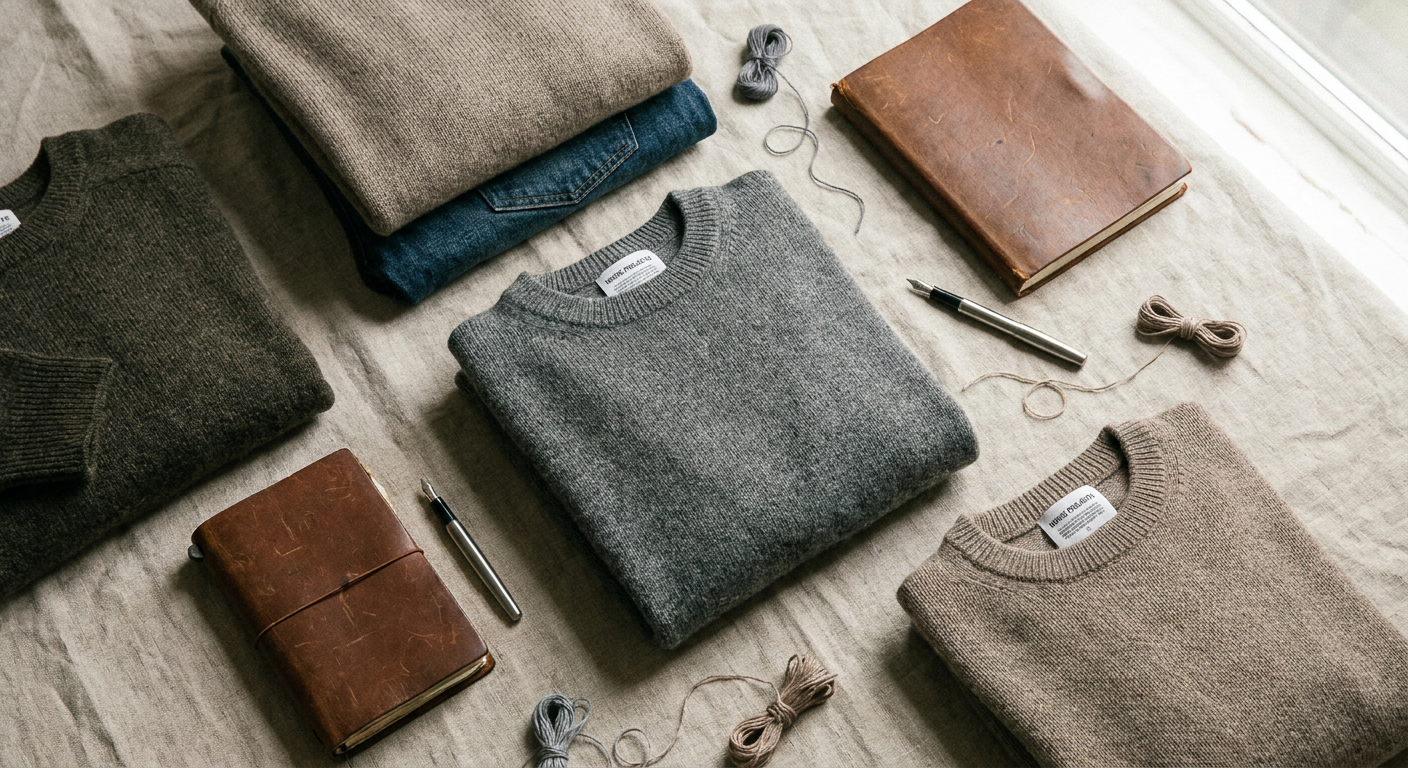
Quality knitwear is expensive new. Merino wool, cashmere, lambswool – these are materials worth seeking out in the pre-owned market. Look for jumpers from brands known for their knitwear, like John Smedley, or even reputable high-street names that produced better quality items a decade ago. Check for holes, especially around the elbows and cuffs. Pilling can often be removed.
Fleeces from Patagonia or The North Face are also excellent pre-owned buys. They retain their warmth and durability well. Pay attention to the zips and check for any compression in the fleece pile, which can indicate heavy wear.
Trousers: Denim and Technical Options
Denim is always a safe bet. Selvedge denim from brands like Edwin, Nudie, or A.P.C. often has years of life left, and the wear patterns can add character. Check the crotch and hems for thinning or holes. Chinos and corduroy trousers are also solid options for winter. Look for thicker weaves and good quality cotton.
For more technical cold-weather trousers, brands like Arc'teryx or Salomon occasionally appear on the resale market. These are designed for performance and often hold up well.
Shop from this article
Footwear: Boots Built to Last
Good winter boots are a significant investment. Pre-owned, you can find excellent examples of Danner, Timberland, Dr. Martens, or Red Wing. Inspect the soles for wear – a worn sole can be expensive to replace, but a good cobbler can often re-sole quality boots. Check the stitching, especially around the welt. Leather should be supple, not cracked.
Even used, a solid pair of leather boots will offer better protection and last longer than a new, cheaper alternative. Treat them with appropriate leather conditioners and waterproof sprays to extend their life further.
Accessories: Scarves, Hats, and Gloves
These are often overlooked but crucial for comfort. Wool or cashmere scarves, knitted hats, and leather gloves are abundant on the pre-owned market. They tend to wear well and are often sold because the owner wanted a different colour or style, not because they were worn out.
A well-chosen wool scarf can elevate an outfit and provide significant warmth. Look for quality materials and avoid anything with pulls or permanent stains. Cashmere items, while delicate, can be found in excellent condition for a fraction of their new price.
Building a winter wardrobe this way demands patience and an understanding of what to look for. The reward is a collection of genuinely well-made items that will serve you for many winters to come, without the financial or environmental hangover of buying new.