care & maintenance
3 minute read
How to re-wax a Barbour jacket at home
Words by Heather June Coombs
A sticky jacket isn’t properly waxed; it’s just overloaded.
How to re-wax a Barbour jacket at home
A Barbour jacket, properly cared for, lasts decades. It’s not a purchase; it’s an investment. But even the best investments need maintenance. The wax finish, responsible for its legendary weather resistance, wears down. Restore it yourself and keep the jacket performing as intended. This isn't about preservation for display; it's about keeping a functional piece of kit in use.
The Essentials: What You Need
You don't need a workshop, just a clear space and a few basic items. First, an official Barbour Thornproof Dressing. Don't skimp here; alternatives rarely perform as well. You'll also need a soft, lint-free cloth – an old cotton rag or a piece of flannel works perfectly. A pan of hot water is crucial for softening the wax, and a hairdryer can help with application. Finally, old newspapers or a tarp to protect your work surface, because this process is messy. You’ll be working with hot wax, so patience is key.
Preparation: Clean and Dry
Before applying new wax, the jacket must be clean and completely dry. Brush off any loose dirt or mud. For more stubborn grime, use a cold, damp sponge to wipe it down. Do not use hot water, soap, or detergents, and absolutely no washing machine. These will strip the existing wax and damage the fabric. Once cleaned, hang the jacket in a warm, dry place for at least 24 hours to ensure every fibre is free of moisture. Any dampness will prevent the new wax from adhering properly, leading to a patchy finish.
Application: Less is More
The wax dressing comes as a solid block. Place the tin in your pan of hot water for 20 minutes until the wax melts into a soft, malleable consistency, like Vaseline. Using your cloth, scoop out a small amount and begin working it into the jacket. Apply it sparingly and evenly, using firm, circular motions. Focus on one section at a time – a sleeve, a panel of the back, then the front. Pay particular attention to seams, creases, and areas of heavy wear like the elbows, shoulders, and pockets; these are the first places the original wax will have degraded. Over-applying in one spot will lead to a sticky, uneven finish.
Shop from this article
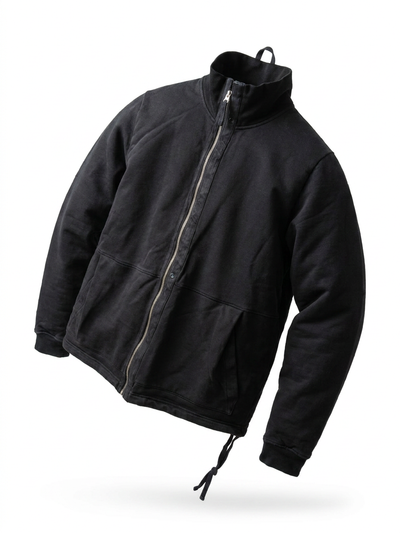
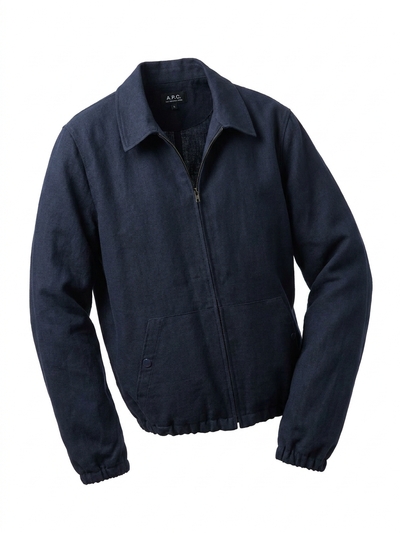
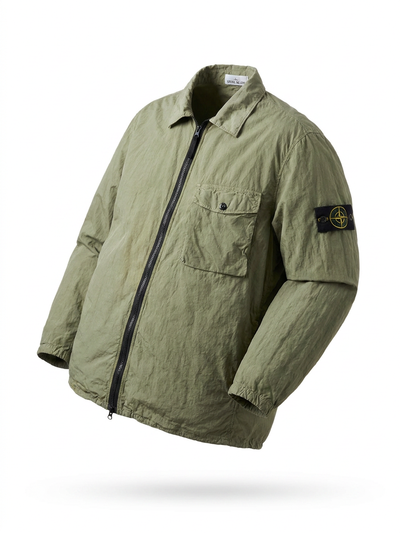
Heat Treatment: Melting it In
Once you've applied a thin, even coat over an entire section, use a hairdryer on a low-medium setting. Gently warm the freshly waxed area. You’ll see the wax melt and absorb further into the cotton fabric, taking on a darker, more uniform appearance. This step is vital for ensuring the wax penetrates the weave, providing proper waterproofing and a consistent finish. If you see any excess wax pooling, gently wipe it away with your cloth while it's still warm. This heat treatment smooths out any streaks and ensures maximum water repellency. Don’t hold the hairdryer too close or on a too-high setting; you don’t want to scorch the fabric.
Drying and Finishing
After waxing and heat-treating the entire jacket, hang it in a warm, dry environment – a utility room or airing cupboard is ideal. Do not hang it in direct sunlight or near a radiator, as this can cause the wax to melt and run, creating uneven patches. Allow it to cure for at least 24-48 hours. The wax needs time to fully dry and bond with the fabric. A properly re-waxed jacket should feel slightly tacky, but not wet or greasy. Any residual stickiness indicates either too much wax was applied or it hasn't fully cured. You can gently buff away any remaining excess with a clean, dry cloth after curing.
When to Call a Professional
Re-waxing keeps a jacket waterproof and prolongs its life. However, it won't fix tears, rips, or significant damage to the fabric itself. If your jacket has frayed cuffs, damaged zips, or large holes, it might be time for a professional repair. Barbour offers an excellent repair service that can restore heavily worn jackets, patching holes with matching waxed cotton and replacing hardware. Look at the general integrity of the fabric. If it's starting to thin or degrade significantly in large areas, a simple re-wax won't cut it. It’s about knowing when a top-up is enough, and when the core needs structural attention.
Related articles