care & maintenance
3 minute read
Pilling on knitwear — when to buy it anyway
Words by Heather June Coombs
A good quality fabric shaver is indispensable for serious pilling.
Pilling on knitwear — when to buy it anyway
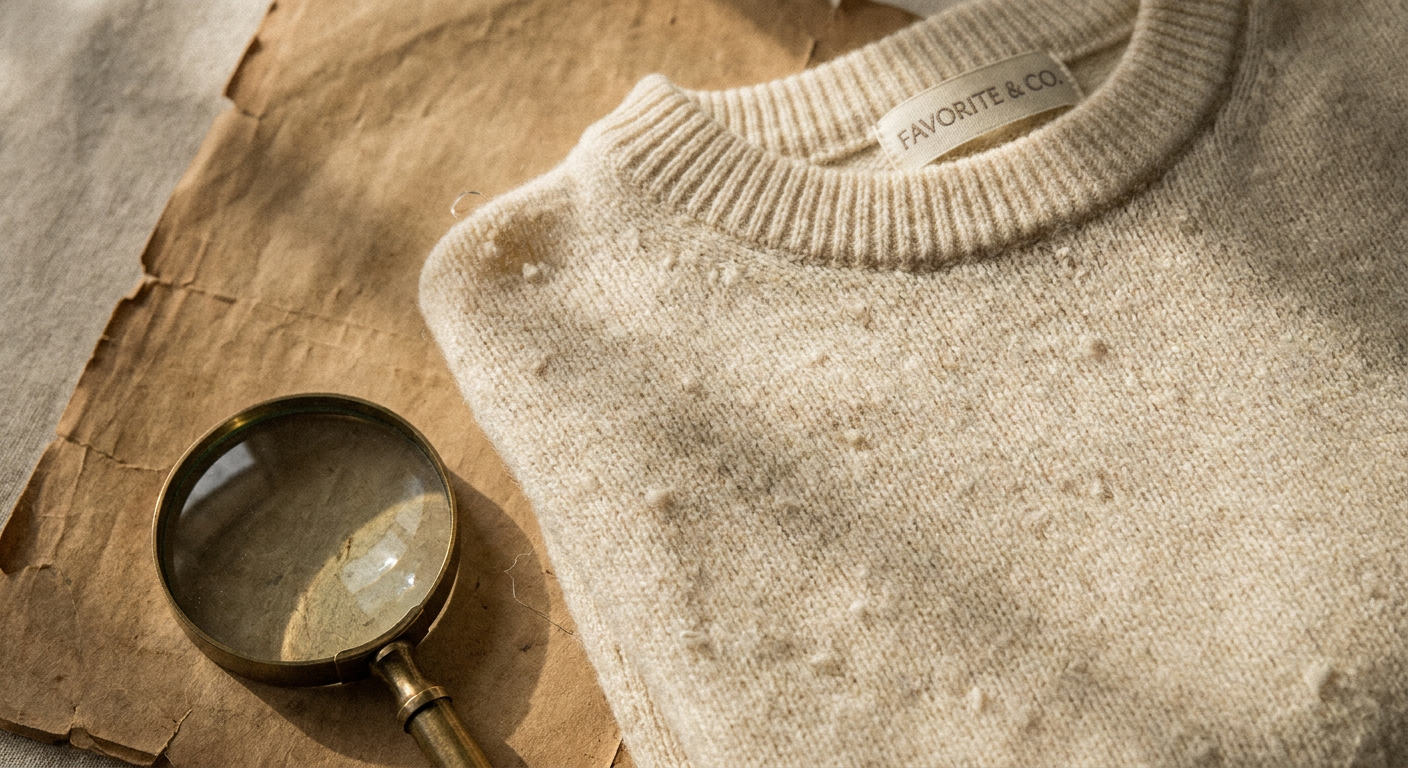
Pilling is a fact of life with knitwear. It is not an indicator of poor quality, nor necessarily of heavy wear. Those small, bobbled fibres that appear on the surface of a jumper are a natural result of friction. Understanding when pilling is a cosmetic issue you can fix, and when it signals a garment past its prime, is key to smart pre-owned buying.
What causes pilling and why some knits are prone
Pilling occurs when short or loose fibres on the surface of a fabric become tangled together into small balls. This happens through rubbing – the friction of an arm against a side seam, a bag strap on a shoulder, or even just regular movement against a jacket lining. It is most prevalent in areas of high contact. Fibres with a shorter staple length, or those that are more delicate, are more susceptible. Merino wool, cashmere, and angora, despite their premium feel, are prime candidates for pilling precisely because their fibres are so fine and soft. Synthetic blends, especially those mixing natural and synthetic fibres, can also be notorious. The stronger synthetic fibres can hold onto the pilled natural fibres more tenaciously, making them harder to remove. Long-staple fibres like pima cotton or silk tend to pill less readily.
Removing pilling: the right tools for the job
For minor pilling, a simple lint roller can often pick up the loose surface fibres before they form noticeable bobbles. Once pilling has set in, you need something more robust. A good quality fabric shaver (electric) or a sweater comb (manual) are indispensable. Both gently lift and cut away the pills without damaging the underlying knit. Always test your chosen method on an inconspicuous area first. Work slowly, applying light pressure. Brushing too aggressively or using a razor blade can cut or snag the knit, causing irreversible damage. The goal is to remove the pills, not thin the fabric.
Shop from this article
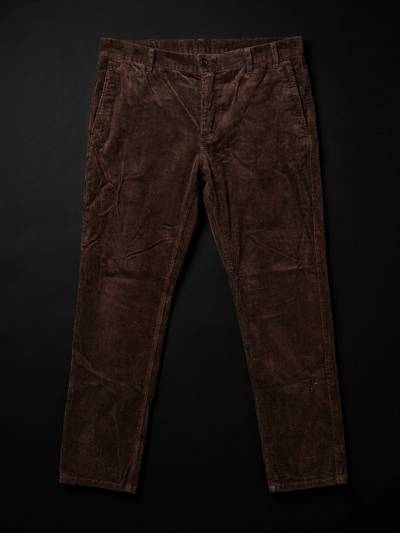
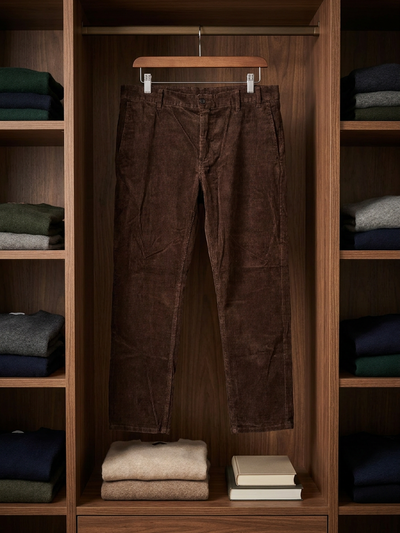


Brand notes: what to expect
**Norse Projects**: Known for its robust, Scandinavian-influenced design, Norse often uses lambswool and merino. Expect some pilling, especially on cuffs, elbows, and areas under bag straps. This is normal. Their quality construction means the core knit remains solid; pilling is almost always surface-level. Buy with confidence if the pilling is addressable. **Stone Island**: Stone Island knitwear, particularly their compass badge jumpers, uses a variety of wools and technical blends. Their knits are generally hard-wearing. Pilling is less common than with finer merino, but it can occur. If you see heavy pilling on a Stone Island piece, inspect it carefully for stretched areas or thinning, as this might indicate genuine wear rather than just surface friction. If the pilling is isolated and the knit is otherwise sound, a good de-piller will restore it. **Uniqlo Merino**: Uniqlo's merino wool is excellent for the price but is inherently prone to pilling due to the nature of fine merino and its common use in layering. Significant pilling is to be expected on pre-owned Uniqlo merino. This is almost always cosmetic. Given the lower entry price point, a heavily pilled Uniqlo merino piece can be a fantastic value buy if you are prepared to spend some time with a fabric shaver.
When to pass: structural integrity over cosmetic flaws
The critical distinction is between cosmetic pilling and structural compromise. If pilling is heavy and widespread, especially in areas that don't typically experience high friction (like the main body of the garment), this might be a red flag. Check for signs of stretching, holes, or thinning of the fabric in those same areas. A piece where the knit itself feels compromised, or where the pilling is so severe it suggests the fibres are literally falling apart, is usually not worth the effort. However, if the pilling is localised – armpits, inner sleeves, the side where a bag would rub – and the rest of the knit is firm, even, and shows no signs of excessive thinning, it is likely a cosmetic issue. You are buying a quality garment at a reduced price, needing only a small investment of time to restore its appearance. Understanding this nuance means unlocking genuinely good value in the pre-owned market.
Related articles