buying guides
3 minute read
What buying pre-owned actually costs versus buying new — a real comparison
Words by Heather June Coombs
A new Stone Island Ventile Smock might retail for £800-£1,000. Find one a few seasons old, and you could pay £400-£600.
The ‘cost’ of a garment goes beyond its initial price tag. It includes longevity, resale value, and the environmental footprint of its production. For pre-owned, it often means condition and availability. When comparing new to used, the picture changes significantly depending on the category.
The argument for pre-owned isn't just about saving money at the point of purchase. It's about a different kind of value. Here is where the real differences lie.
Technical Outerwear: The Value Holds
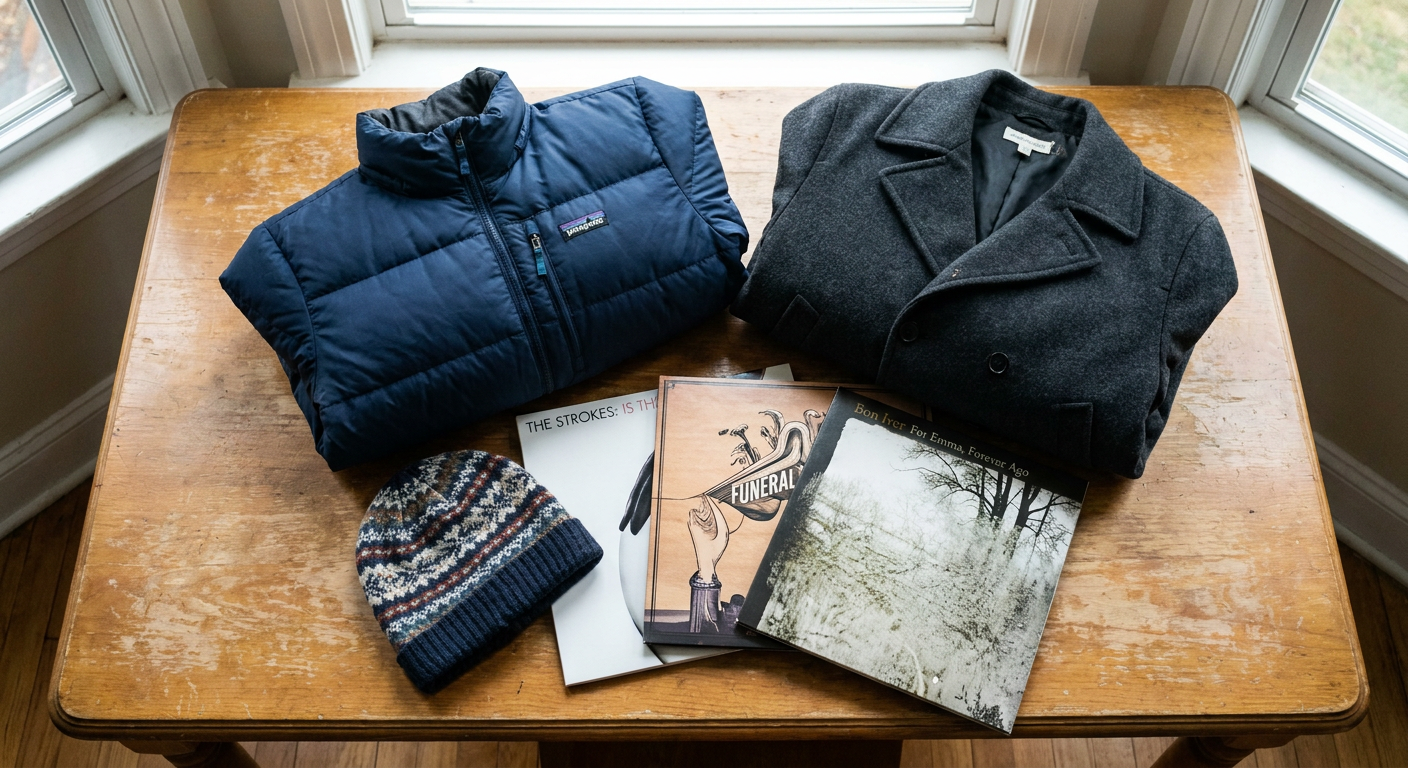
Few categories demonstrate the value of pre-owned like technical outerwear. Brands such as Stone Island, C.P. Company, and Arc'teryx engineer their pieces for performance and durability. This means they are built to last far longer than a single season.
A new Stone Island Ventile Smock might retail for £800-£1,000. Find one a few seasons old in excellent condition, and you could pay £400-£600. The functional integrity remains, as does the aesthetic. The gap here is significant, and the depreciation curve is relatively flat for sought-after pieces. Patina often sees examples in near-perfect condition that are barely distinguishable from new, at half the price.
Conversely, buying a new technical jacket from a fast-fashion brand for £100 might feel like a saving. However, its performance will be limited, and its resale value almost nil. It's a false economy.
Premium Knitwear: A Clever Investment
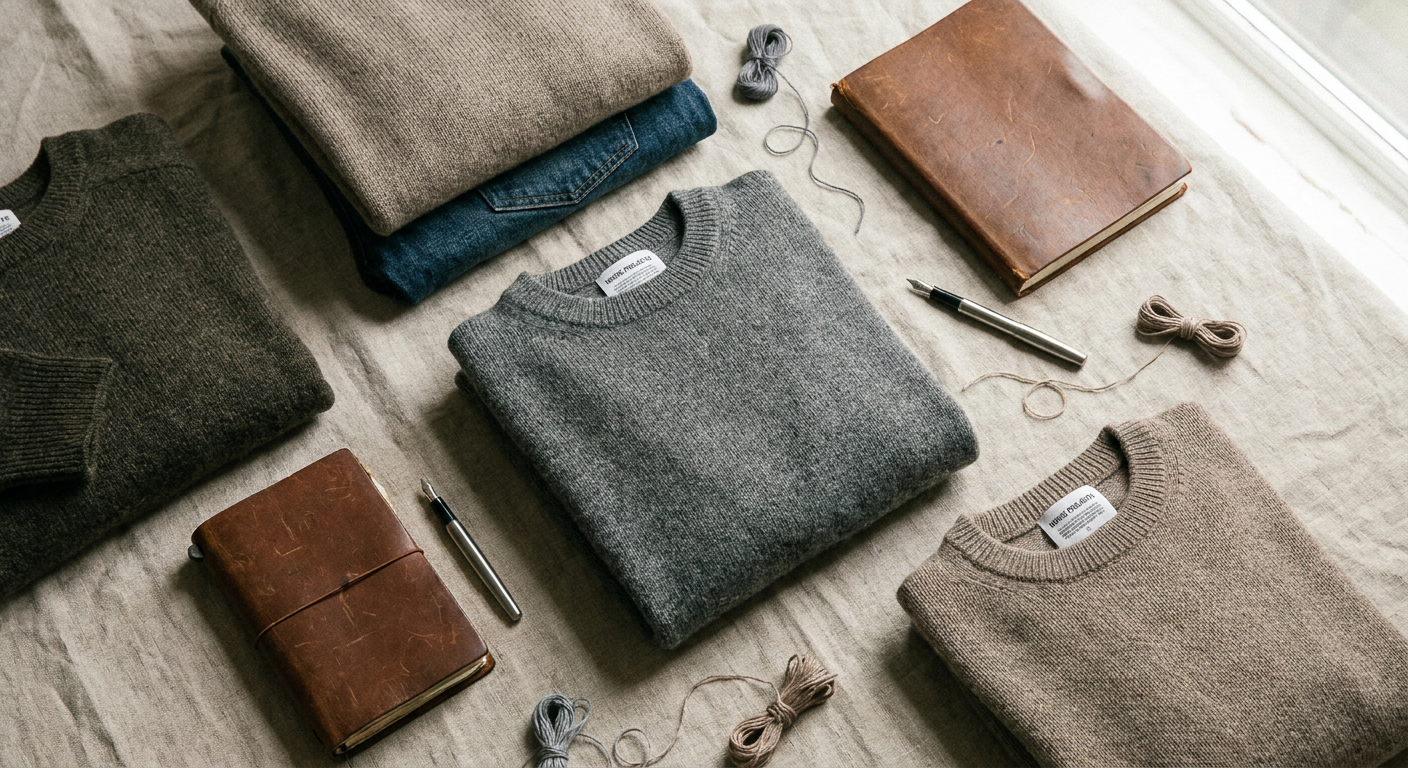
Cashmere, merino, and quality lambswool knitwear from brands like John Smedley, Sunspel, or even specific Uniqlo U lines offer excellent longevity. New, a premium merino jumper can cost £150-£300. Pre-owned, the same piece, perhaps worn a handful of times, can be £50-£100.
The key here is condition. Knitwear is more susceptible to wear than a jacket. Pilling, stretching, or small holes will significantly impact its pre-owned value. However, a well-cared-for piece retains its luxurious feel and warmth. The saving is substantial, and the quality difference between a £60 high-street knit and a £60 pre-owned premium knit is stark. One will likely fall apart in a year; the other will last a decade.
Trainers: A Game of Condition and Hype
Trainers are complex. For general release models from Adidas Originals or New Balance, the pre-owned market offers decent savings. A new pair of Adidas Gazelles might cost £80. A lightly used pair could be £30-£50. This is a good entry point.
Shop from this article
However, for limited editions or highly sought-after releases, the "pre-owned" market often means "resale" and can command prices far above retail. A pair of new Nike SB Dunks might be £100 retail, but quickly hit £300+ on the secondary market if they are a specific collaboration. Here, buying 'new' at retail is the cheapest option, but often impossible. The pre-owned cost for these is simply the market rate. The value proposition shifts from saving money to simply acquiring a desired item.
Denim: A Slow Burn
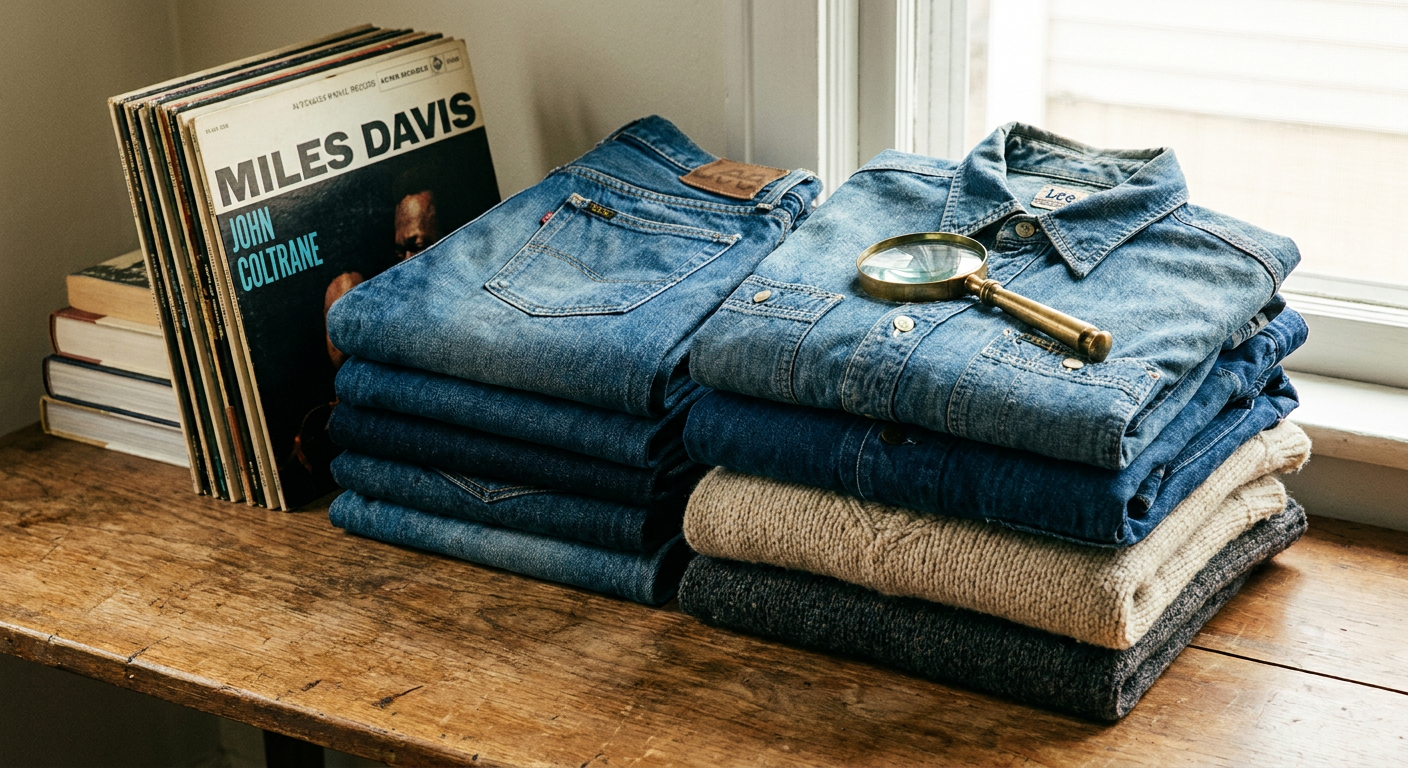
Raw denim, particularly from brands like A.P.C. or Edwin, is designed to break in and develop character with wear. Buying new means experiencing that process from scratch. A fresh pair of A.P.C. New Standard jeans costs around £170. Pre-owned, a pair that has started to fade, or has been well-worn, might be £60-£100.
The ‘cost’ of new raw denim is not just monetary; it is also time. The unique fades and creases are earned over months of wear. Some people prefer to skip this initial, stiff period and buy a pair that is already softening. The saving is modest compared to outerwear, but the trade-off is often about personal preference for the breaking-in process itself.
Accessories: The Hidden Gems
Leather bags, wallets, or premium scarves often present excellent pre-owned value. A new leather tote from a mid-tier brand might be £200-£400. A used one, with minor signs of wear that add character, could be £80-£150. High-quality leather develops a patina, improving with age rather than deteriorating.
This category is full of hidden gems, especially for durable items like Filson luggage or quality belt brands. The depreciation on new accessories can be steep, making pre-owned a logical choice if condition is good. The cost saving is substantial, and the lifespan of the item remains long.
The actual cost of buying pre-owned versus new is not uniform across all categories. Technical outerwear and premium knitwear offer significant savings without much compromise on quality or longevity. Trainers are a mixed bag, dictated by hype. Denim offers a moderate saving, but shifts the breaking-in experience. Accessories often provide the biggest hidden value. The decision always comes down to what you prioritise: the factory-fresh feel, or the demonstrable value and reduced environmental impact of a garment with a story.