buying guides
2 minute read
How to Build a Pre-Owned Wardrobe on a Strict Budget
Words by Heather June Coombs
A good jacket or a solid pair of jeans will see more wear than anything else you own. Start here.
Building a wardrobe that stands up to scrutiny and holds its value does not require an unlimited budget. In fact, some of the most enduring pieces in British style were born from necessity and a keen eye for utility. Buying pre-owned offers a clear path to owning genuine quality without the retail markup. This is how you do it smartly, without breaking the bank.
Prioritise Outerwear and Denim
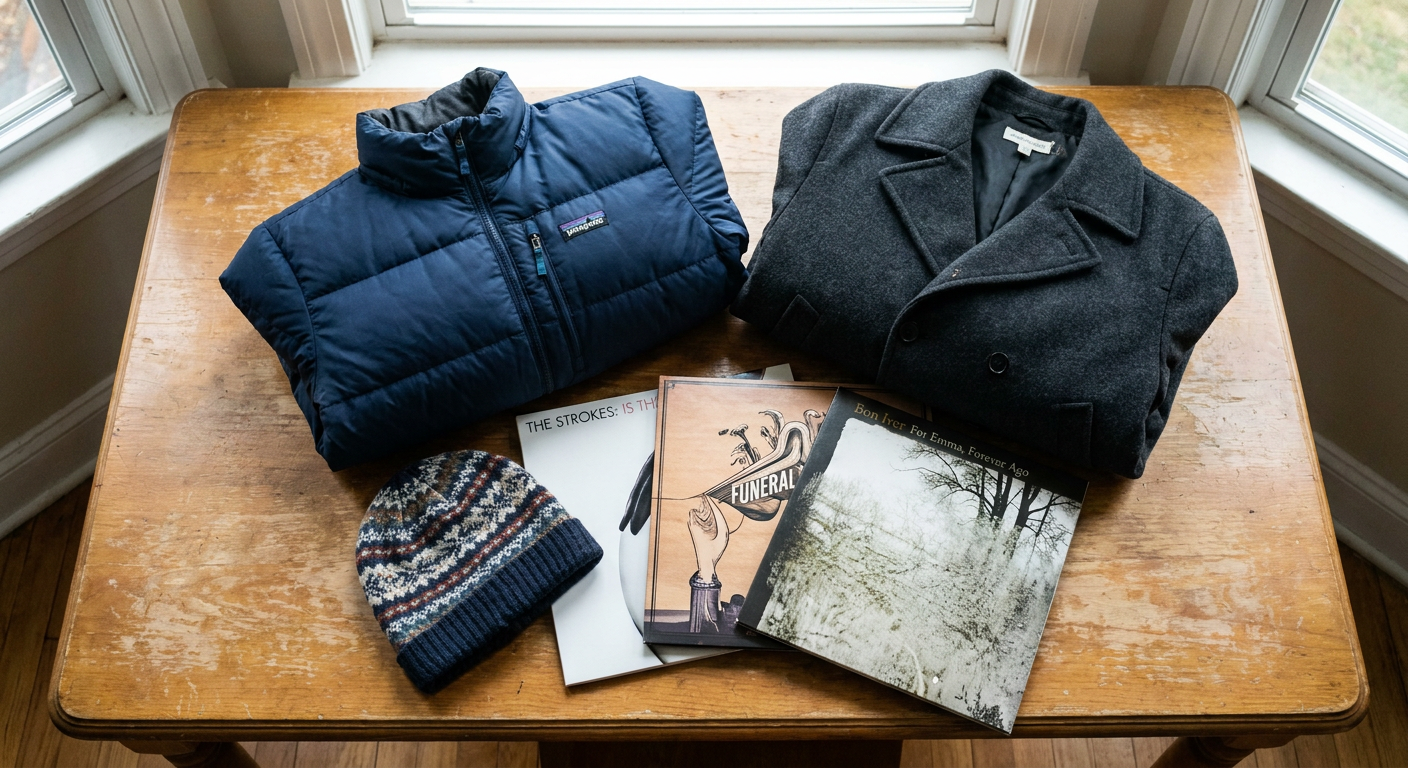
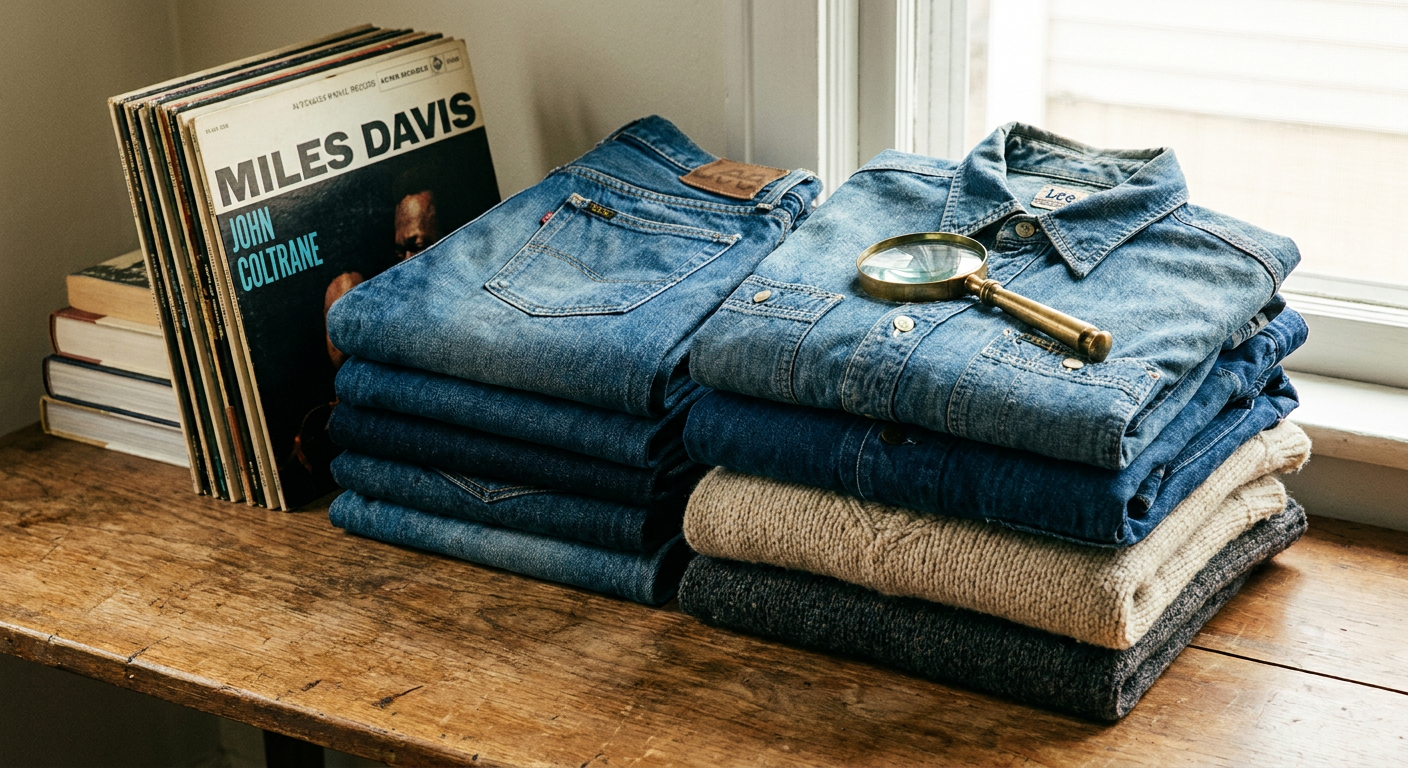
Outerwear and denim are the cornerstones of a resilient wardrobe. They are often the most expensive items new, and critically, they tend to age well. A good jacket or a solid pair of jeans will see more wear than anything else you own. Start here.
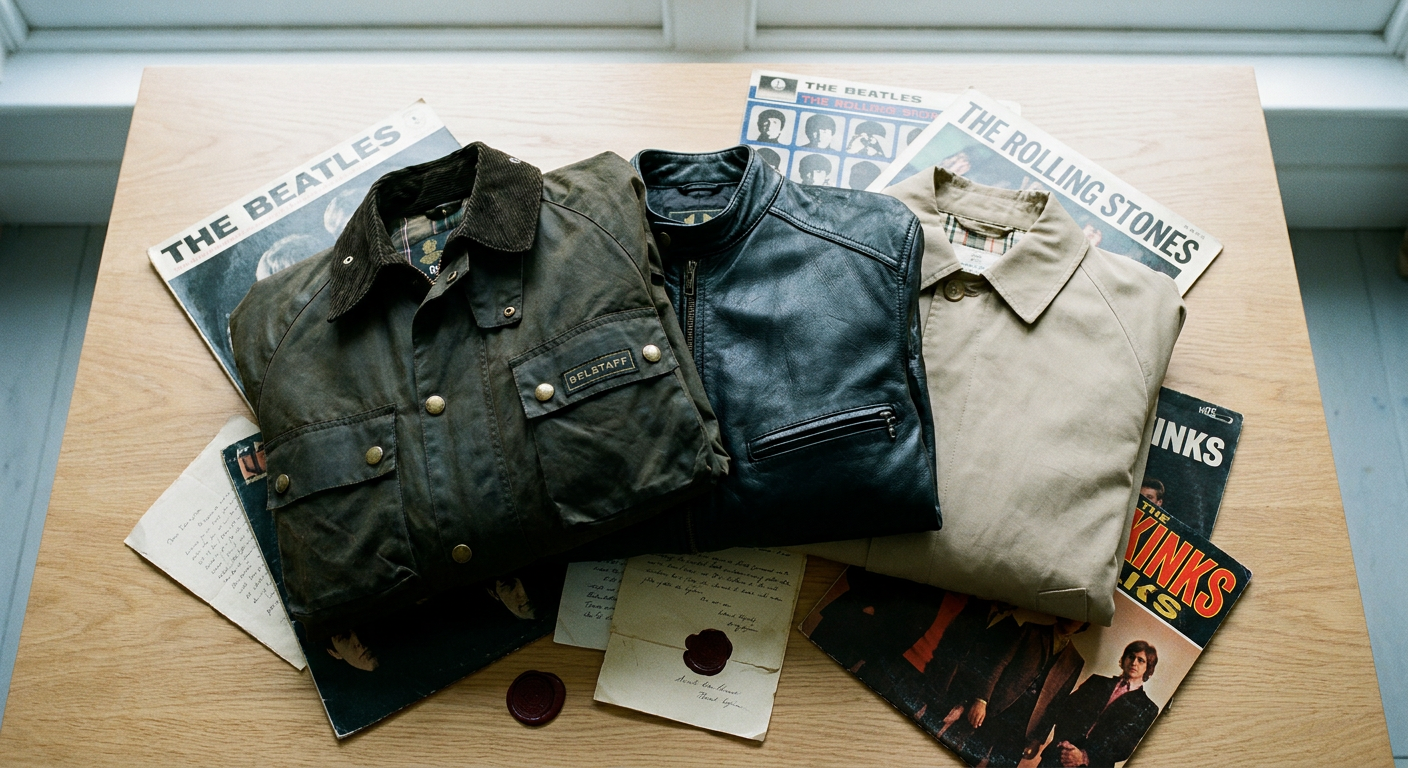
Look for brands known for durability. Barbour, Belstaff, Carhartt WIP, and even older Levi's or Lee denim will always perform. These are not fast fashion items; they are built to last. When buying pre-owned, slight wear can add character, especially to waxed cotton or raw denim, without compromising function.
The Underrated Value of Knitwear
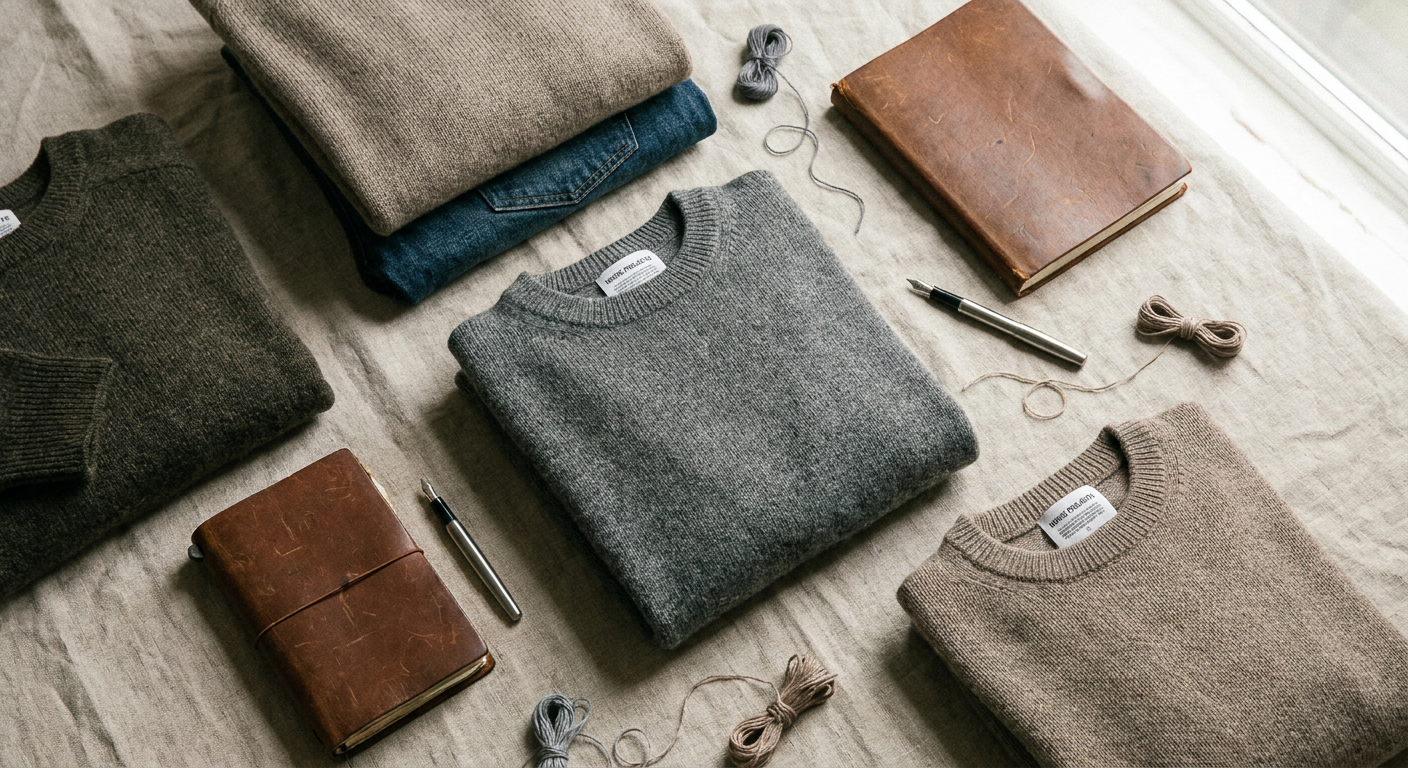
Wool, cashmere, lambswool. Natural fibres are always a smart investment. They regulate temperature better, last longer, and feel superior against the skin. New, they command a premium. Pre-owned, particularly from heritage brands, they represent serious value.
Brands like John Smedley, Pringle of Scotland, or even robust fisherman's knits from lesser-known labels can be found for a fraction of their original price. Check for moth holes, obvious pilling, or stretched cuffs. A minor repair is often worthwhile for a quality piece.
Footwear: Patience is Key
Trainers and boots are crucial, but condition is paramount. While scuffs can be polished out of leather, a blown sole or shredded lining on a pair of trainers is a write-off. Your budget dictates careful searching here.
Shop from this article
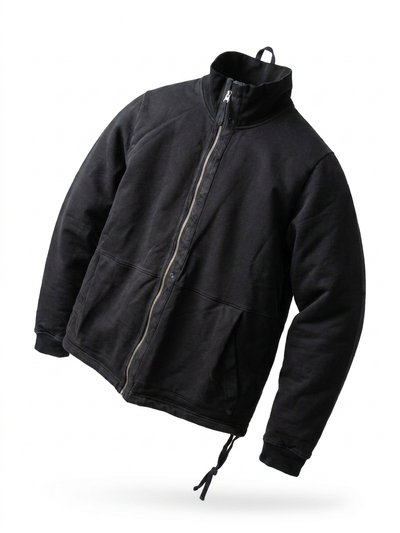
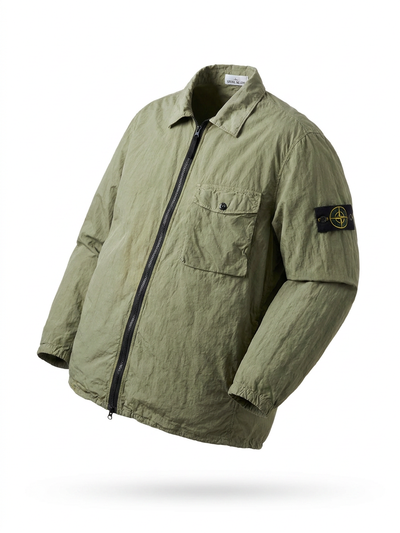
For boots, aim for Goodyear-welted options from brands like Dr. Martens or Grenson. The soles can be replaced, extending their life indefinitely. For trainers, focus on solid-coloured leather or suede models from Adidas Originals (Gazelle, Spezial), New Balance (574, 990 series), or Reebok Classic. Avoid anything with excessive branding or complex sole structures; they rarely last, even when new.
Learn to Authenticate Quickly
A tight budget means no room for fakes. Familiarise yourself with key indicators of genuine articles for the brands you target. Stone Island badges, C.P. Company goggle details, Barbour zips and linings – these are often the first giveaways. Online forums and dedicated groups are goldmines for learning the nuances.
Sometimes, the feel of the fabric, the quality of the stitching, or even the weight of a garment tells a story. Trust your gut. If something feels off, or the price seems too good to be true for a common piece, it probably is.
Forget Fast Fashion, Embrace the Search
This approach requires patience. You won't build a full wardrobe overnight. The joy of pre-owned is the hunt, the unexpected find. Instead of buying for immediate gratification, you're building a collection of considered items, each with its own history.
The pieces you acquire will likely be better made, more individual, and have a lower environmental impact than anything new at a comparable price point. This isn't about compromise; it is about acquiring better things, more thoughtfully.