buying guides
3 minute read
Pre-Owned Coats: The Five Things to Check Before You Buy
Words by Heather June Coombs
A coat's integrity relies on its construction.
The Obvious First: Condition
Buying a pre-owned coat means accepting some level of wear. The key is understanding what's acceptable and what isn't. Scrutinise the high-traffic areas first: cuffs, collar, and pockets. Fraying here indicates heavy use. Minor fraying can often be repaired; significant damage signals a coat that has seen more than its fair share of winters.
Check all seams. Loose stitching is a red flag. A coat's integrity relies on its construction. Pay particular attention to underarms and shoulder seams. These are stress points and often the first to show structural fatigue.
Zips and buttons are next. A broken zip renders a coat largely useless. Buttons should be present and firmly attached. Replacements are possible, but matching original hardware can be difficult, especially on designer pieces. Factor replacement costs and effort into your decision.
The Interior Story: Lining and Pockets
The inside of a coat tells as much of a story as the exterior. A torn lining isn't always a dealbreaker, but it should reduce the price. Linings can be repaired or even replaced, but it's a specialist job. Be wary of linings that are heavily stained or brittle; these suggest poor care or extreme age.
Internal pockets often suffer more wear than external ones, especially if they've been used for keys or phones. Look for holes, even small ones. Small holes become larger ones quickly.
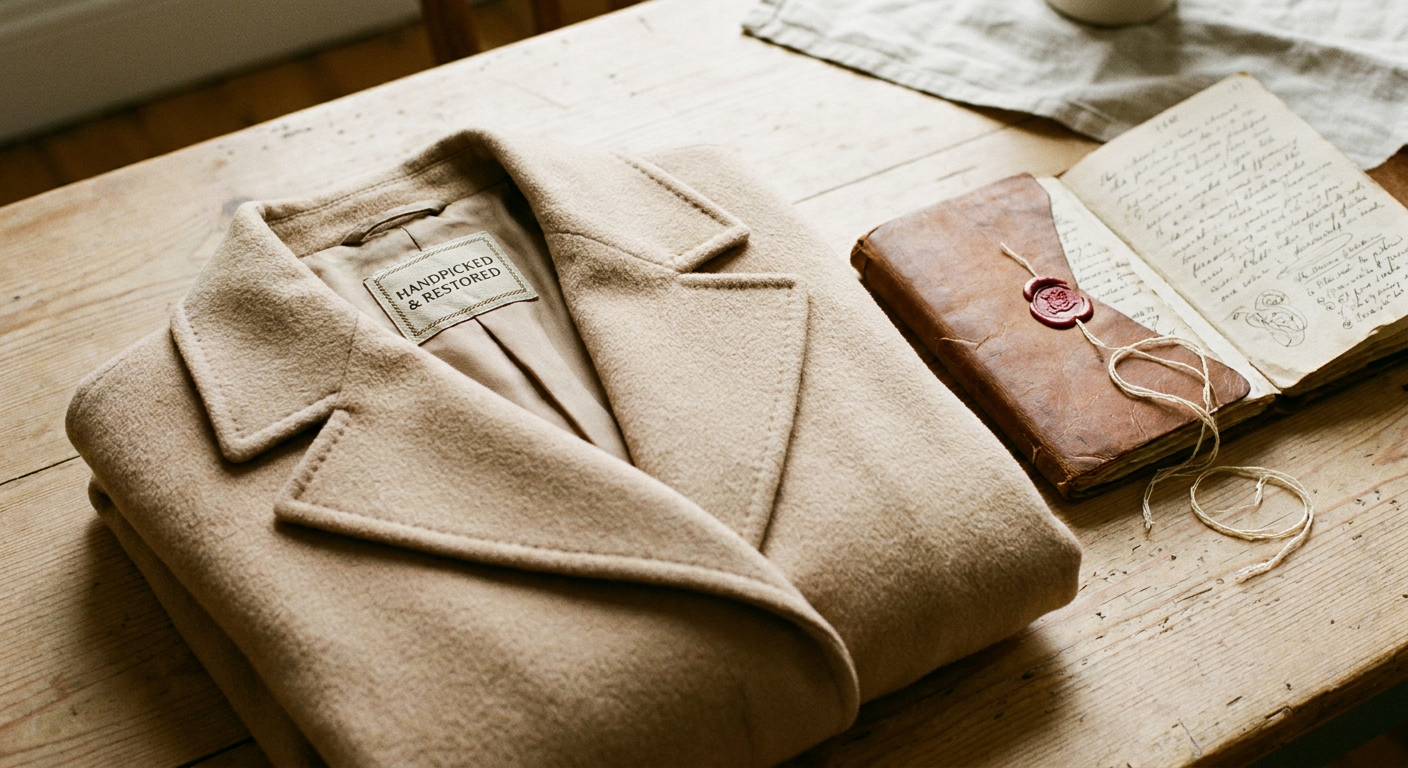
Another interior check: the brand label and care tags. These are crucial for authentication and understanding the fabric composition. Faded or missing tags aren't always a problem, but they make verifying the item harder. If the brand label is loose, it highlights the general wear of the piece.
Authenticity Markers: Labels and Hardware
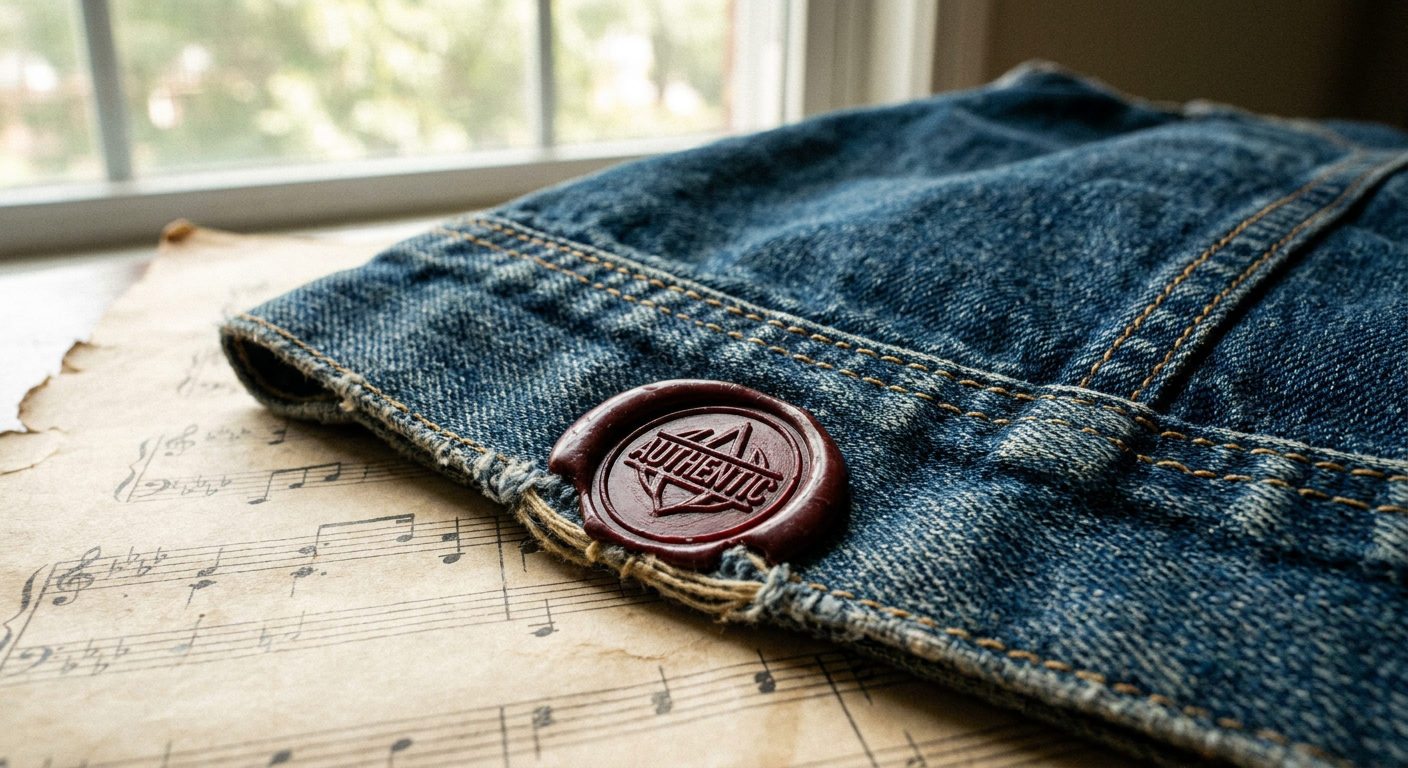
For higher-value pieces, authenticity is paramount. Familiarise yourself with the brand's typical labels, fonts, and stitching patterns. Compare what you see against verified examples online. Subtleties matter: the spacing of letters, the quality of embroidery.
Shop from this article
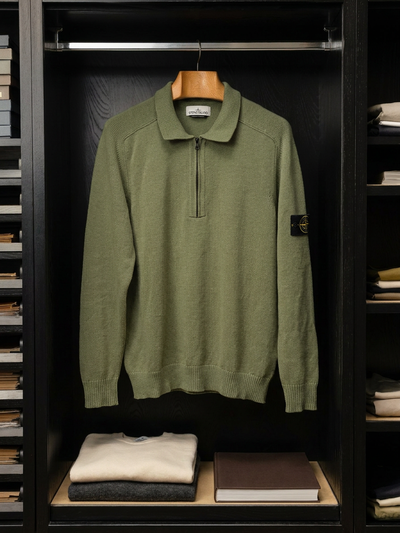
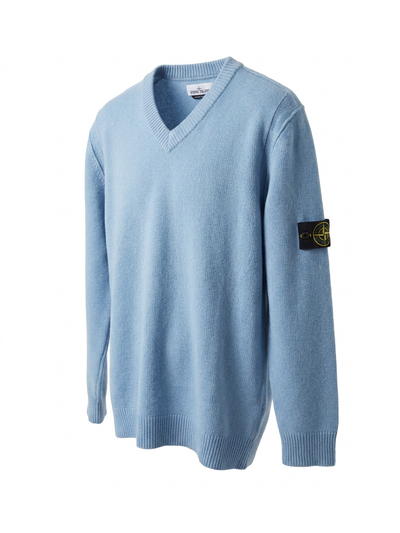
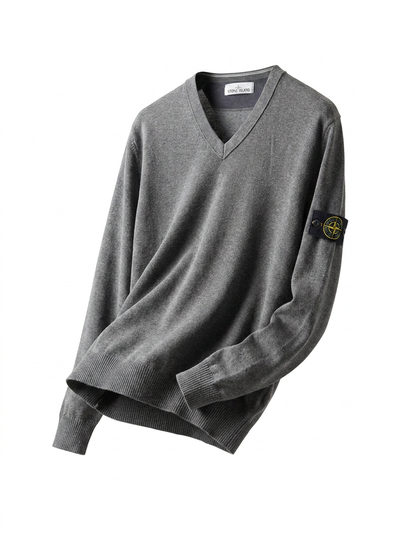
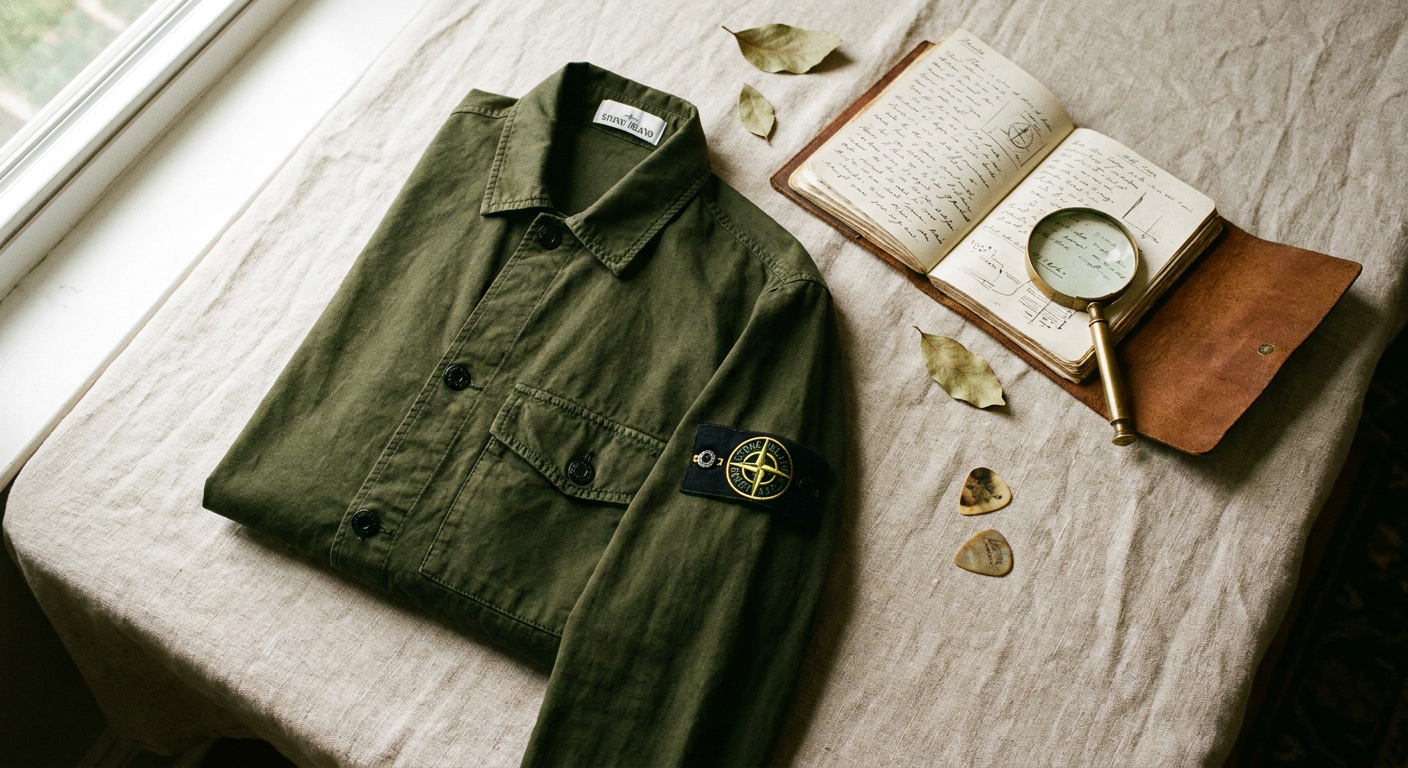
Hardware – zips, buttons, poppers – should also be consistent with the brand. YKK zips are common, but many premium brands use bespoke hardware or specific suppliers. Stone Island, for instance, often features branded buttons and zips. Understand what those should look like.
Product codes, if present on care labels, can sometimes be cross-referenced with online databases or enthusiast forums. This is particularly useful for pieces from recent collections. Older items are harder to verify this way.
Fabric Fatigue: Piling, Fading, and Stains
Fabric condition dictates the coat's remaining life. Wool and cashmere can pill. While removable, excessive piling suggests a fabric that's lost some of its fibre integrity. Inspect under the arms and where bags might rub.
Fading is common, especially on cotton or synthetic blends that have been exposed to sunlight. Uneven fading, or a marked difference between the main body and hidden areas (under the collar, inside flap), shows previous environmental exposure. This is largely irreversible.
Stains are trickier. Some disappear with dry cleaning; others are permanent. Assume the worst. If a stain is visible, factor in the likelihood of it staying there. Check for ghosting or residue even if a seller claims it's been cleaned.
Odour: The Invisible Problem
Odour can be the silent killer of a good purchase. It's often difficult to remove. Common culprits include smoke, damp, or strong perfumes. A faint, musty smell often means it's been stored improperly.
Always ask about the coat's previous environment. If that's not possible, be highly suspicious of anything that doesn't smell neutral. Professional cleaning can help, but some odours penetrate deep into fibres and linings, making them impossible to eradicate completely.
Checking these five areas systematically will save you from regrets. A pre-owned coat is an investment, not a gamble. Know what you're buying. It's not about finding perfection; it's about making an informed compromise.