buying guides
2 minute read
Pre-Owned Denim: How to Check Condition Before You Buy
Words by Heather June Coombs
A good pair of pre-owned jeans tells a story, but not every chapter needs to be a tragedy.
Understanding Denim Condition
Buying pre-owned denim means navigating a spectrum of wear. It is not like a new garment. Embrace the variations. Understanding what to look for, and what to accept, defines a good purchase. Not all wear is created equal. Some brands age better than others. Raw denim, particularly from Japanese or American mills, often develops character over time. Fades, honeycombs, and whiskers are part of the appeal. But rips in the wrong place, or structural damage, are not.
The Anatomy of Wear
Focus on key stress points first. The crotch, inner thighs, and knee areas are common failure zones. These are where fabric thins, frays, or tears under natural movement. Look for visible patches or re-stitching here. Darning can extend life, but significant repair hints at heavy prior use. Examine the hems. Drag marks on the back of the cuffs show if the previous owner wore them too long or without rolling. This results in fraying or worn-through edges. A neatly re-hemmed pair is a positive. A jagged, unravelled one is a sign of neglect.
Hardware and Construction
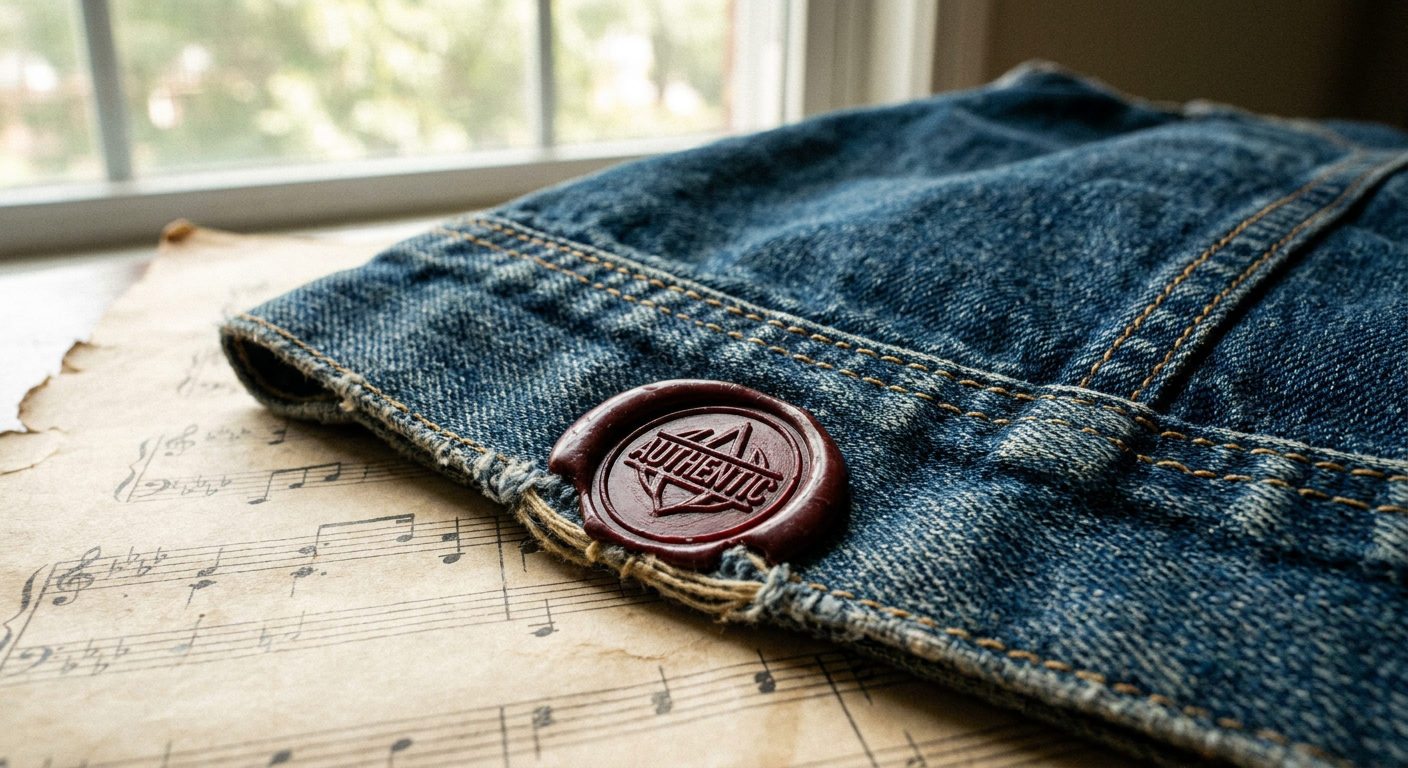
Zippers should run smoothly. Check for bent teeth or stiffness. Button flies should have all their buttons, firmly attached. Missing or loose buttons are a simple fix, but indicate a lack of care. Look for branded hardware, as it is often a good indicator of authenticity and original quality. Stitching is critical. Double-stitched seams are a sign of durability. Check side seams, waistband, and pocket edges. Loose threads are normal, but unravelled seams, particularly along the yoke or inseam, suggest imminent failure. Reinforced rivets, especially on pockets, should be present and secure.
Shop from this article
Pockets and Patches
Back pockets often show wallet outlines or phone wear. This is minor cosmetic damage, usually acceptable. Holes in pocket bags, however, are a nuisance. These are mendable, but factor in the effort. Leather patches, common on brands like Levi's or Iron Heart, should be present and legible. Cracking or fading is part of their charm, but a missing patch can impact resale value if you are thinking long-term. Similarly, internal brand labels should be intact.
The Smell Test
An often-overlooked indicator. A damp, stale, or heavily perfumed smell can be difficult to remove. This points to improper storage or attempts to mask underlying odours. Pay attention to any synthetic or chemical smells, which might indicate a botched dye job or cleaning process. This is something you simply cannot evaluate from a photograph. Walk away if the smell is off. There are plenty of other pairs out there.
Fading and Colour Loss
Fading across the front thighs, knees, and seat is often desirable in specific denim. This is selvedge denim’s appeal. Uniform fading, particularly in non-raw denim, suggests extensive washing. Check for darker areas under pockets or belt loops that show the original colour. Consistent, even fading is generally preferable to patchy discolouration or bleach spots. Ultimately, pre-owned denim is about character. But there is a line between character and damage. Know what you are buying.