buying guides
3 minute read
The Questions You Should Always Ask Before Buying Pre-Owned Online
Words by Heather June Coombs
A seller might consider a small tear insignificant, or a slight skip on a record a minor detail; they certainly will not highlight it if they can avoid it.
The Questions You Should Always Ask Before Buying Pre-Owned Online
Buying anything pre-owned online requires a specific set of critical questions. This is not about mistrust; it is about due diligence. You are buying from an individual, not a high street retailer. The safeguards are different, and so should your approach be. This applies whether you are looking for a first-edition pressing or a vintage C.P. Company smock. What the seller states is one thing. What you verify is another. Too many buyers rely solely on the description, often written by someone with less specific knowledge than themselves. Protect your investment, or just your expectation, by asking the right questions before hitting 'buy'.
"Are there any defects or issues not visible in the photos?"
Good photos cover a lot. They do not cover everything. A seller might consider a small tear insignificant, or a slight skip on a record a minor detail. They certainly will not highlight it if they can avoid it. This question forces them to acknowledge, in writing, any imperfections. Their answer becomes part of the transaction record. If they say no, and you later find a significant flaw, you have a better case for return or refund. Pay particular attention to seams, cuffs, collars, and hems for clothing. On vinyl, ask about surface noise, warps, or wear to the spindle hole. For collectables, inquire about hidden cracks, fading, or missing components. Be specific if you have particular concerns.
"Can you provide additional detailed photos/videos of [specific area]?"
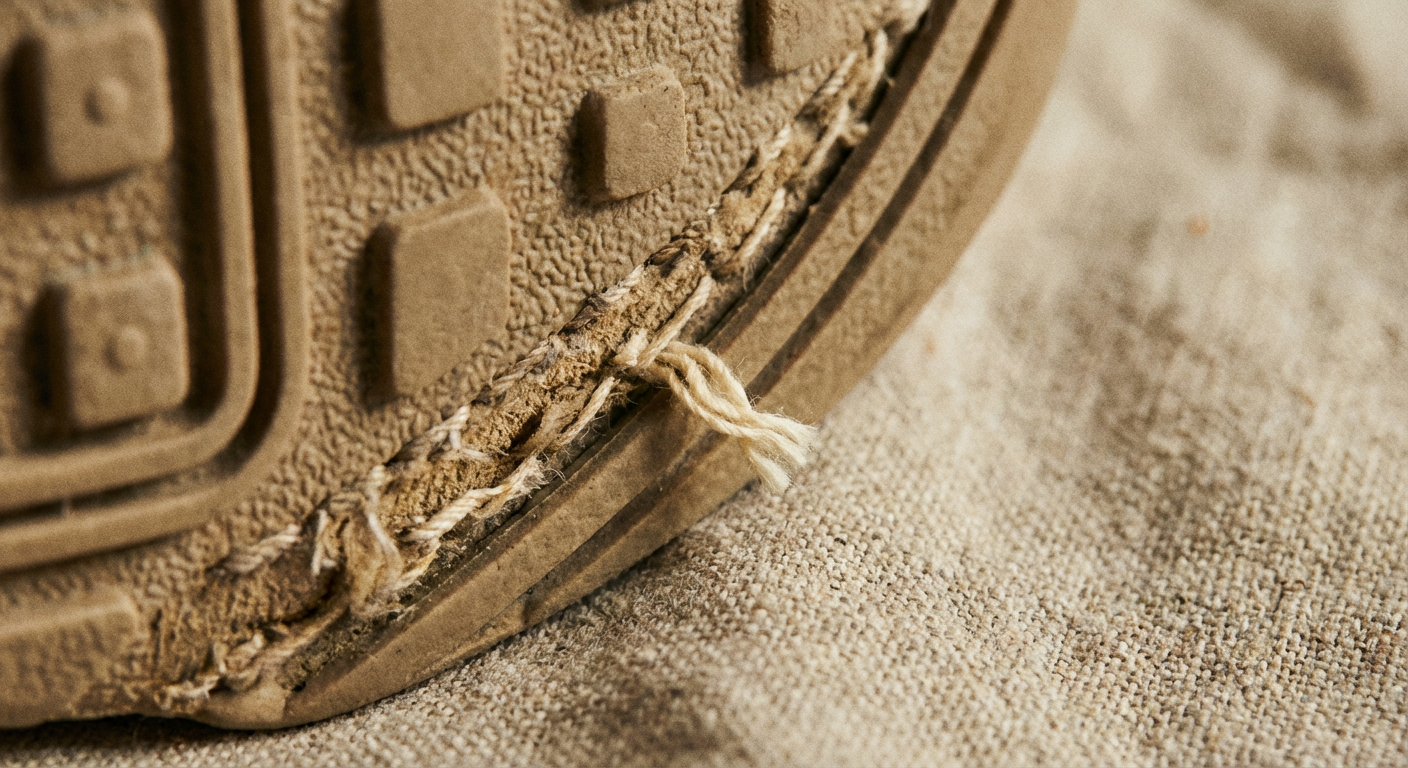
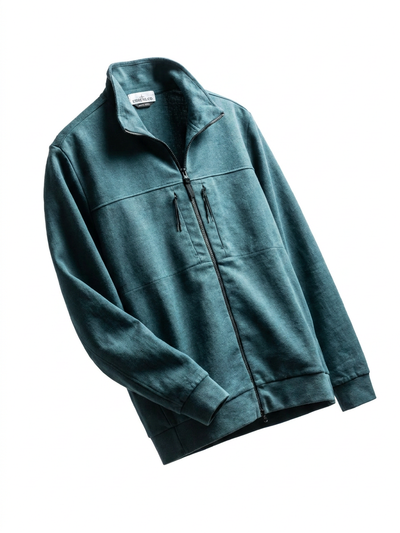
Never accept the first set of photos as definitive. Always request more. Focus on areas prone to wear or difficult to capture. For Stone Island, this might be the badge, wash tag, or Certilogo. For a pair of New Balance, it means the sole tread, heel cup, and toe box. On a record, ask for close-ups of the run-out groove or any specific label details. A seller unwilling to provide further images is a red flag. High-resolution, well-lit photos show confidence in the item's condition. Blurry, dark, or generic images suggest either laziness or something to hide. A short video clip can be even better, especially for assessing fabric drape or a record's flatness.
Shop from this article
"What is the exact sizing on the label, and can you provide measurements?"
Vanity sizing is rampant. Sizing varies wildly between brands and even within different eras of the same brand. Never trust the stated size alone. Always ask for specific garment measurements: pit-to-pit, length from collar to hem, sleeve length from shoulder. For trousers: waist, inseam, leg opening. Compare these to items you already own that fit well. A responsible seller will have a tape measure to hand. If they do not, or refuse, it indicates a lack of professionalism. This applies equally to footwear; ask for the insole measurement if possible, or clarification on whether they fit true to size. For vinyl sleeves, precise dimensions can be important for framing or storage alongside existing collections.
"What is the item's provenance or history?"
This question goes beyond condition. It establishes authenticity and context. For fashion, where did the item come from? Was it bought new by them? Is it part of a larger collection? For music, is it a personal copy, bought from a particular shop, or part of a collection clear-out? Understanding the item's journey provides clues to its care and originality. A one-owner item with a clear purchase history is inherently less risky than something that has passed through multiple hands. While not always definitive, it builds trust and can pre-empt questions about fakes, especially for high-value items where provenance is key to authentication.
"What is your return policy?"
Even with all the questions asked, sometimes an item just is not right. Knowing the seller's return policy upfront is crucial. Does it align with the platform's policy? Are there restocking fees? Who pays for return shipping? What condition must the item be in for a return to be accepted? A clear, fair return policy is a hallmark of a good seller. It demonstrates confidence in their goods and a willingness to stand behind their descriptions. If a seller is cagey about returns, proceed with extreme caution. This step is about protecting yourself should the item, despite all your efforts, fail to meet expectations upon arrival. Buying pre-owned online carries an inherent risk; mitigate it as much as possible.