buying guides
2 minute read
How to Read a Pre-Owned Listing: What the Photos Should Show
Words by Heather June Coombs
If the seller can't be bothered to provide decent photos, move on.
The First Glance: What You Should See Immediately
When browsing pre-owned listings, the first few images are crucial. They set the tone for the entire listing. If the seller can't be bothered to provide decent photos, move on. You're looking for clear, well-lit shots of the item. No dark corners, no blurry close-ups. The initial image should show the item in its entirety. For clothing, that means laid flat or on a mannequin, front-on. For records, the sleeve front. For trainers, a side profile. This isn't just about aesthetics; it demonstrates the seller's attention to detail.
The Money Shots: Details That Matter
After the general view, you need specifics. For garments, you want a clear shot of the brand label. This confirms authenticity and allows for quick cross-referencing. Next, the care label or material composition tag. This gives you fabric details and helps verify the model if you're comparing against new. Seams, stitching, and hardware are key. High-quality items often have distinct construction. Look for even stitching, robust zips, and branded buttons. Sub-par images often hide these areas. If a seller hasn't photographed the zip pull on a C.P. Company jacket, they're either lazy or deliberately obscuring something.
Condition Reporting: Evidence of Wear
Every pre-owned item has a history. Good listings don't shy away from it. A reputable seller will photograph any imperfections. This includes scuffs, tears, thinning fabric, or faded areas. They should be highlighted, not hidden. For vinyl, this means not just the sleeve, but the record itself. Photos of the vinyl surface under good light are essential. You're looking for scratches, scuffs, or warps. A seller who only shows the sleeve is often concealing the true condition of the disc.
The Interior View: Linings and Insides
Don't overlook the inside of an item. For jackets, the lining can be a tell-tale sign of wear, especially around the collar and cuffs. Pockets often show wear before the exterior. For bags, the interior lining and internal pockets reveal usage patterns. For footwear, a shot of the insole and sole unit is vital. The branding on the insole, the wear pattern on the sole – these are indicators of authenticity and extent of use. If the seller hasn't provided these, ask for them. If they refuse, reconsider.
Shop from this article
Authentication Details: A Brand's Signature
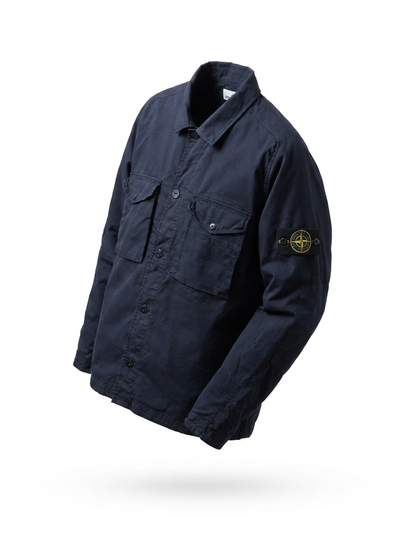
Certain brands have specific authentication points that should be in the photos. Stone Island badges, holographic tags, specific zip types, inner patch details. C.P. Company goggles, internal labels. For high-value items, serial numbers or unique identifiers printed on labels are crucial. It’s not just about what's there, but the quality of the image. A blurry photo of a Stone Island badge at an odd angle is suspicious. It should be a clear, flat shot, allowing you to examine the stitching and material closely against known examples.
The Whole Picture: Beyond Individual Shots
The collection of images tells a story. Look for consistency in lighting and background. This suggests the photos are recent and of the actual item. Beware of listings with a mix of professional stock images and poor phone snaps. Ultimately, good photography in a pre-owned listing demonstrates transparency. It shows the seller respects your time and their product. It allows you to make an informed decision without needing to ask a dozen clarifying questions. If the images raise more questions than they answer, walk away.