outerwear
3 minute read
Storing pre-owned outerwear properly — why most people get this wrong
Words by Heather June Coombs
A damp Barbour is an invitation for mildew, and a dry one can crack at the folds.
Storing pre-owned outerwear properly — why most people get this wrong
Your premium outerwear collection deserves better than being stuffed into the back of a wardrobe. A Stone Island Marina jacket, a C.P. Company goggle anorak, or a waxed Barbour field coat are not merely garments; they are investments. How you store them directly impacts their lifespan, performance, and crucially, their resale value. Most people get this wrong by treating technical outerwear like any other piece of clothing, leading to premature wear, damaged membranes, and flat insulation.
Never Compress Down or Synthetic Fill
The most common error with insulated jackets is compression. Whether it is a Moncler puffer, a Patagonia down parka, or a The North Face Nuptse, the loft of the insulation – be it down or synthetic – is what traps air and provides warmth. Storing these jackets in vacuum bags, tightly packed drawers, or even on narrow hangers for extended periods crushes the fill. This breaks down the clusters of down or the individual synthetic fibres, permanently reducing their ability to regain their original volume. The result is a colder jacket and a significantly diminished resale prospect. Always store insulated outerwear uncompressed, ideally on wide, padded hangers, allowing the fill to breathe.
UV is the Enemy of Technical Fabrics
Many high-performance shell fabrics, especially those used in brands like Arc'teryx, Acronym, or even early Stone Island pieces, are susceptible to UV degradation. Sunlight, even indirect light through a window, can break down the polymers in Gore-Tex, Ventile, or coated nylons. This leads to premature yellowing, embrittlement, and a loss of water-repellent properties. The fabric becomes stiff, crinkly, and eventually fails, often delaminating from its inner membrane. Keep these garments in a dark, cool place. A closed wardrobe or a breathable garment bag will protect them from light exposure and dust, preserving the fabric integrity and colour.
Wax Cotton Needs Humidity, But Not Too Much
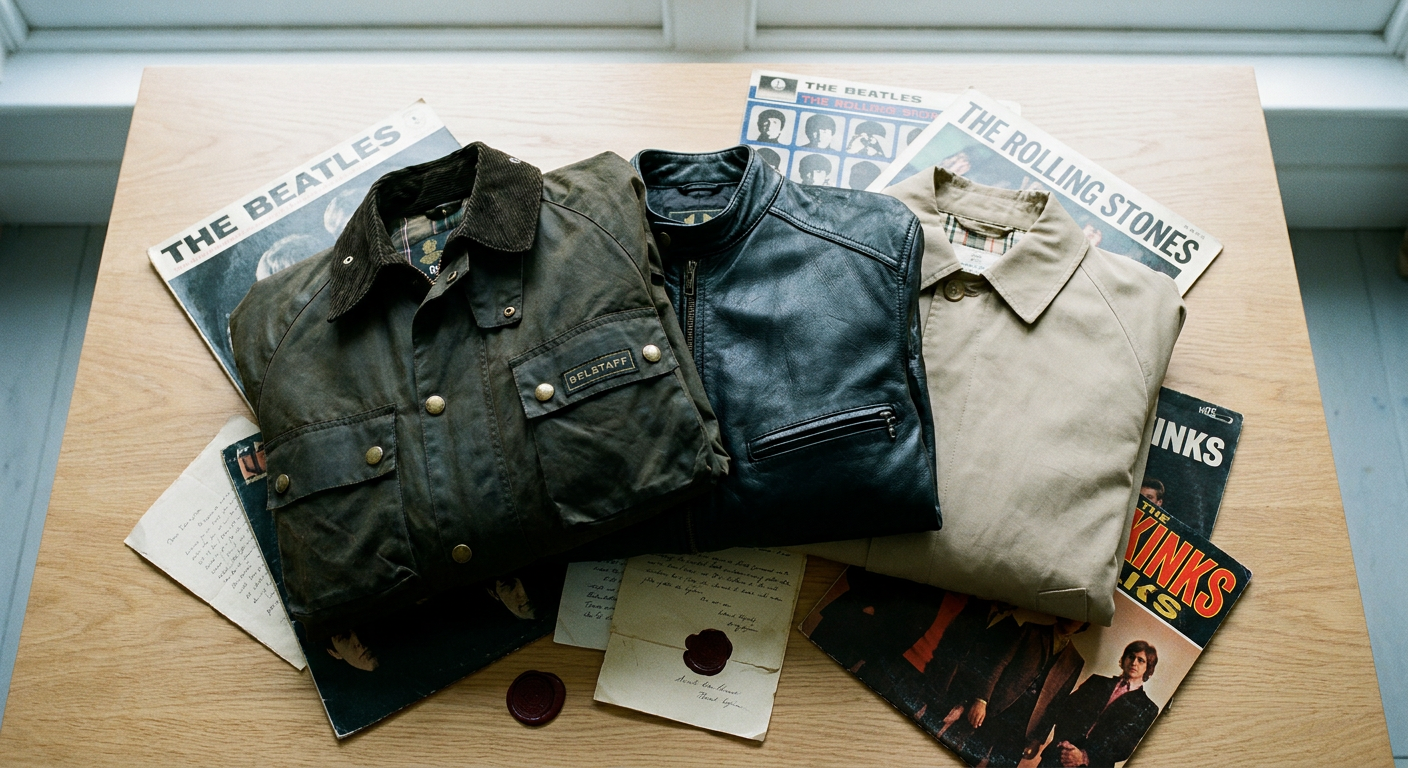
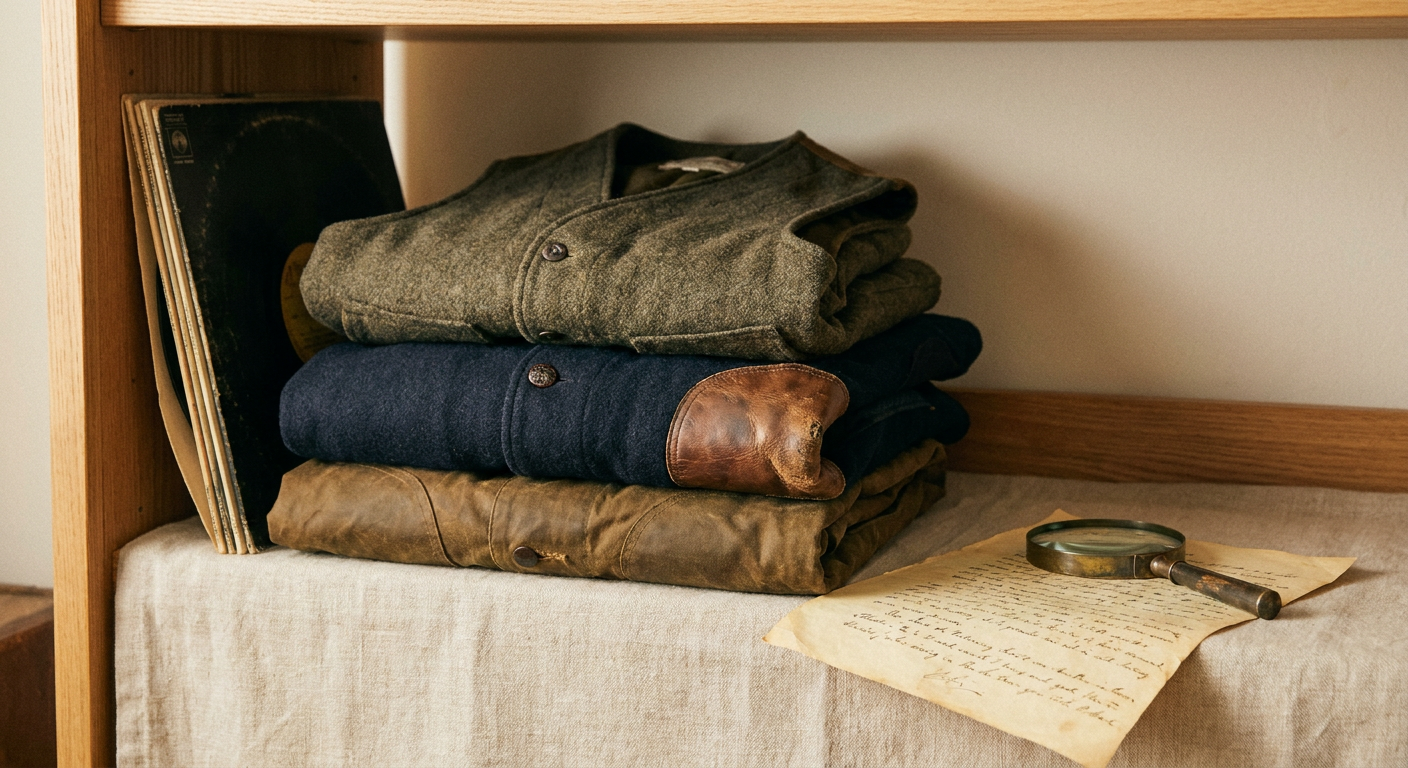
Waxed cotton jackets, the hallmark of Barbour and Belstaff, have their own specific demands. The wax finish requires a certain level of ambient humidity to remain supple and functional. Storing them in overly dry conditions can cause the wax to dry out, harden, and crack, particularly at stress points like elbows and seams. This compromises water resistance and makes the jacket uncomfortable to wear. Conversely, excessive humidity, especially in an unventilated space, encourages mould and mildew growth, which can be notoriously difficult to remove from waxed cotton without damaging the finish. Store them in a well-ventilated area, away from direct heat sources, and avoid plastic covers which trap moisture. Regular re-waxing is also part of their care, preventing extreme drying.
Shop from this article


The Case Against Plastic Garment Bags
Plastic garment bags are a cheap solution, but a poor choice for long-term outerwear storage. While they protect against dust, they trap moisture and prevent airflow. This creates a humid microclimate around the garment, perfect for encouraging mildew, especially on natural fibres or any fabric with residual moisture. They can also off-gas chemicals which may discolour or damage delicate fabrics over time. For breathable shell jackets, wool coats, or anything with insulation, use breathable cotton or non-woven fabric garment bags. These offer protection from dust and light while allowing air circulation, keeping your Our Legacy overcoat or Norse Projects parka in prime condition.
Resale Value Begins in the Wardrobe
The market for pre-owned outerwear is discerning. A Moncler jacket with flattened down is worth less. A Ventile smock with sun-damaged fabric or a C.P. Company piece showing early signs of delamination fetches a lower price. An unkempt Barbour, stained with mildew, will struggle to sell. Proper storage directly translates to higher resale value. Collectors and enthusiasts pay a premium for garments that have been cared for correctly, where the original integrity of the materials and construction is maintained. Think of it as an extension of the purchase; you are investing in its future. A little effort in storage preserves not just the jacket itself, but its future worth.
The Small Details Matter
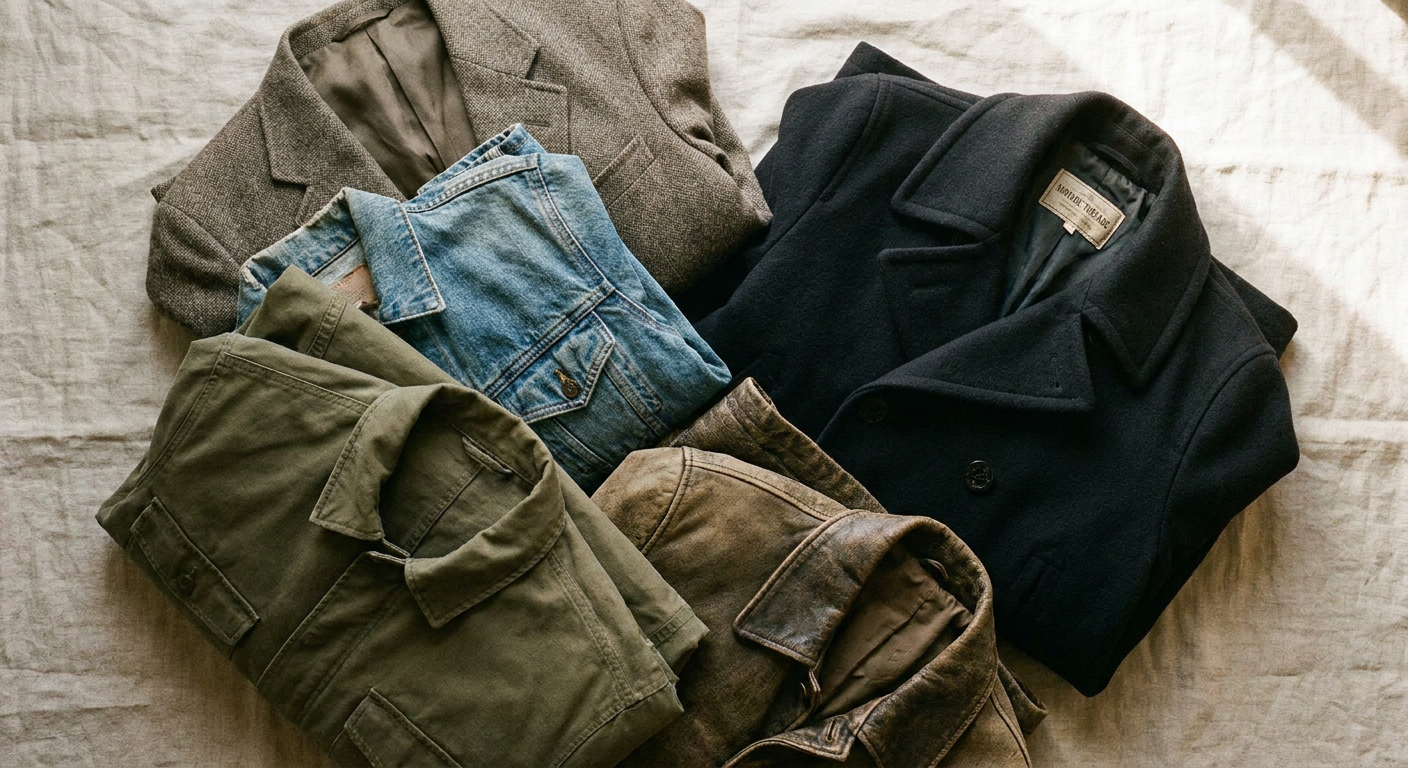
Even seemingly minor details contribute to a jacket's longevity and value. Ensure all zips are closed to prevent distortion. Empty pockets to avoid stretching or bulging. Clean any surface dirt or stains before storage, as these can set in and become permanent. Use the correct type of hanger: wide, padded hangers for structured coats to maintain shoulder shape, and broad hangers for insulated jackets to support their weight without compressing the fill. These small habits collectively safeguard your collection. Consider your wardrobe as a sanctuary for your valued pieces. The right storage methods are not just about preservation, but about respect for the craft and materials. It ensures that when you or a future owner pull out that impeccably maintained jacket, it performs and presents exactly as it should.