outerwear
3 minute read
What Very Good Condition Actually Means for Outerwear
Words by Heather June Coombs
A faded badge alone doesn't instantly downgrade a jacket, but a combination of issues quickly shifts it from 'Very Good' to 'Good' or worse.
What Very Good Condition Actually Means for Outerwear
Buying pre-owned outerwear can be complex. Unlike a jersey t-shirt or a pair of jeans, a jacket or coat often has multiple components, technical fabrics, and specific wear points. When a listing states "Very Good Condition," it should mean something precise. This isn't charity shop grading. It's a standard by which a serious buyer can make an informed decision.
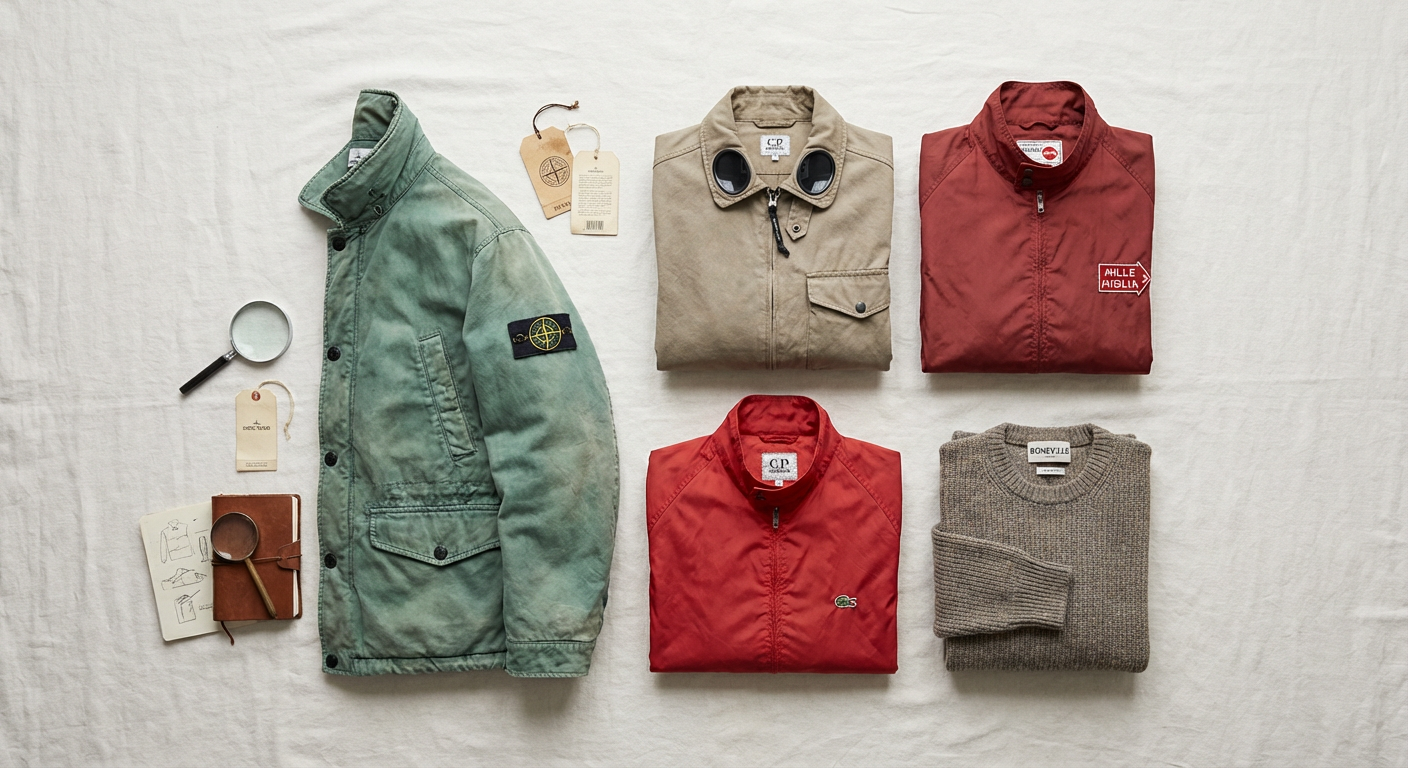
Consider a Stone Island Membrana jacket. A tear is obvious. But what about a faded badge? A sticky zip? Pilling on the inner cuff? These aren't necessarily dealt with in a generic "good condition" description. Understanding the nuances of "Very Good" means knowing what to look for and what to reasonably expect.
The Fabric: Beyond Surface Scratches
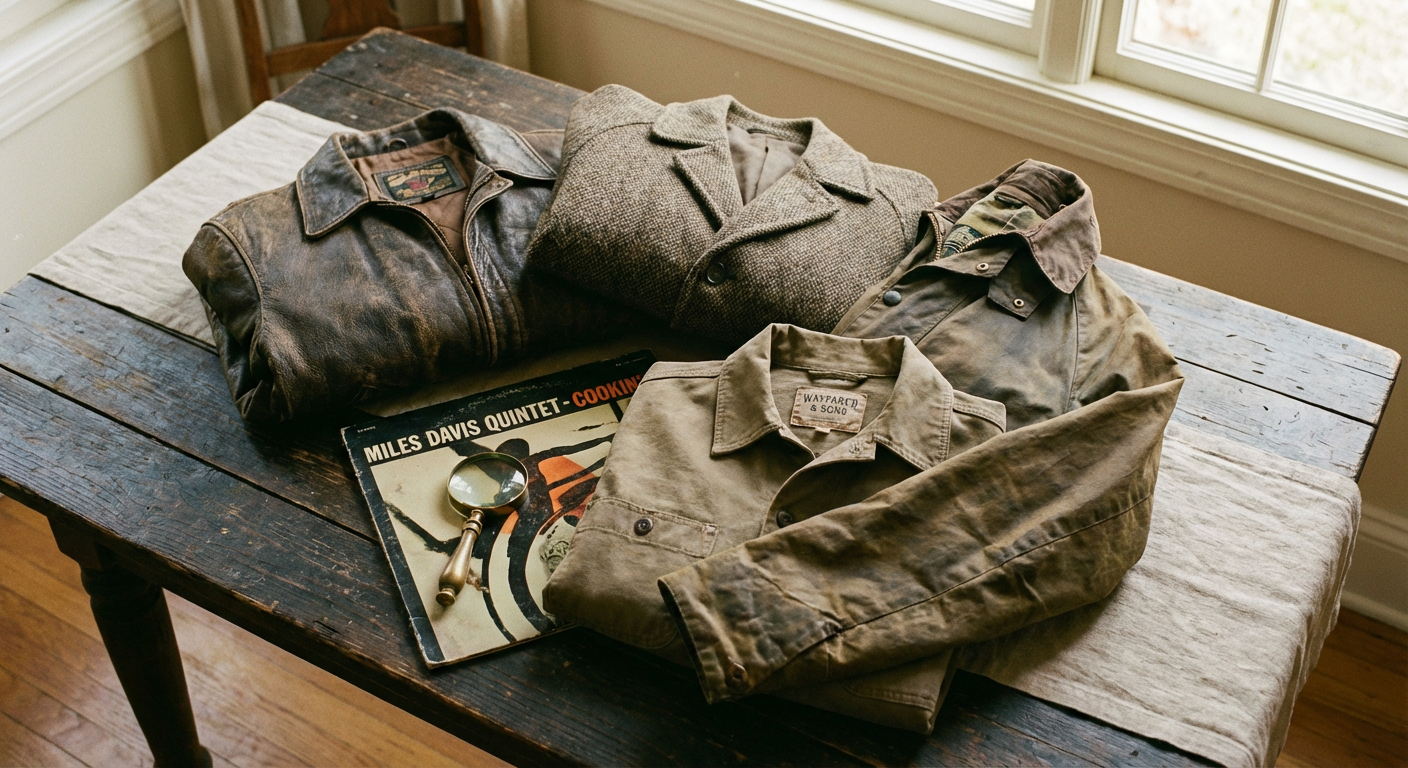
Outerwear fabrics range from heavy canvas to delicate technical membranes. "Very Good Condition" means the primary fabric is largely intact. For a waxed cotton Barbour, this implies no significant thinning of the fabric in high-wear areas like elbows or pockets, and the wax finish, while potentially needing re-proofing, should not be entirely absent or heavily flaked off in large sections. There might be some creases or minor surface marks, as expected with waxed cotton, but no structural damage.
For a nylon or polyester shell, like a C.P. Company Mille Miglia, "Very Good" means no snags, pulls, or visible abrasion beyond minor, localised rubbing. The DWR (Durable Water Repellent) coating might be diminished, but there should be no delamination or bubbling of any internal membrane. Often, the condition of the fabric is directly tied to its technical performance. Impaired fabric reduces that performance.
Zips, Fasteners, and Hardware: The Functional Details
This is where many pre-owned items fall short. A jacket in "Very Good Condition" must have fully functional zips. This means smooth operation, no missing teeth, and the zip pull should be original and undamaged. YKK or Lampo zips, for instance, are designed for longevity. If they're failing, it’s a significant issue.
Buttons, snaps, and press studs should all be present and secure. For brands like Stone Island or C.P. Company, branded hardware should be intact and legible, not corroded or heavily scratched. Missing storm flaps, broken cuff adjusters, or non-functional drawstrings immediately move an item out of "Very Good." These are not minor cosmetic flaws; they impact the jacket's intended function.
Colour and Dye Integrity: Consistent Appearance
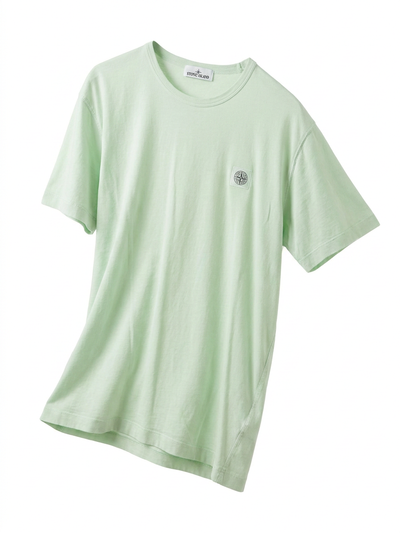
Fading is common, especially with older pieces. However, "Very Good Condition" implies even fading. Patchy discolouration, sun bleaching on one shoulder, or distinct fade lines from prolonged exposure are not "Very Good." The overall colour should be consistent across the garment. For pigment-dyed pieces, some natural lightening is expected, but not dramatic loss of saturation in visible areas.
Shop from this article

Look specifically at seams and folds. These areas often show the first signs of colour loss. Pockets and cuffs are also prone to more aggressive fading through friction. A "Very Good" piece will show minimal, if any, undue fading in these spots.
Linings and Internal Features: Often Overlooked
The inside of a jacket is just as important as the outside. "Very Good Condition" means the lining is entire, with no significant tears, holes, or fraying. Mesh linings should not be separated from the outer fabric. Internal pockets should be intact. For jackets with removable linings, check the condition of the attachment points (zips, buttons) on both the outer shell and the liner.
Any internal care labels should be present and legible. While minor pilling on an internal fleece or wool lining might be acceptable, major deterioration suggests heavy wear or poor care, pushing it out of the "Very Good" category.
Branding and Badges: Authenticity and Integrity
For brands with highly recognisable branding, like a Stone Island badge or a C.P. Company lens, its condition is critical. "Very Good Condition" means the badge is present, original, and largely intact. Fraying around the edges of a badge or a cracked lens on a goggle jacket impacts its aesthetic and, for collectors, its value.
Minor fading on a badge might be permissible, but detached stitching, significant degradation, or signs of replacement with a reproduction would downgrade the rating. Authentication is critical here; the badge should match the era of the jacket.
When "Very Good" is used, it should suggest a jacket that has been well-maintained, shows only light, even wear, and functions as intended. It's not a new item, but it's not a project piece either. Expect minor imperfections, but nothing that detracts significantly from its utility or aesthetic.