buying guides
3 minute read
The off-season buying advantage — why winter outerwear is cheapest in April
Words by Heather June Coombs
The pre-owned market runs on immediate gratification, which means patience is directly convertible into cash.
The secondary market is governed by a simple, irrational rule: most people only buy a heavy coat when they are already cold. By the time frost hits the windscreen in November, demand peaks, bidding wars kick off, and listing prices firm up. Sellers know they have the leverage because buyers are shopping out of immediate necessity.
Turn the calendar forward to April. The clocks have gone forward, wardrobes are bursting, and winter gear suddenly looks like clutter taking up valuable rail space. That shift creates the most predictable pricing collapse in pre-owned menswear. If you can rewire your brain to buy outerwear when the temperature is climbing, you will save hundreds of pounds on garments built to last twenty years.
The mechanics of the spring sell-off
Every April, two forces collide on resale platforms. The first is seller fatigue. People look at their wardrobes, realise they wore that heavy shearling or down parka three times all season, and decide to liquidate it to fund spring jackets, light knitwear, or summer holidays. Supply spikes dramatically over four to six weeks.
The second force is the total evaporation of passive demand. Casual buyers simply do not browse for goose down or heavy melton wool when the weather improves. That leaves sellers competing against each other for a tiny pool of out-of-season search queries.
The result is aggressive discounting. Buy-it-now listings that sat untouched at £500 in January drop to £350 by mid-April. Open auctions for premium outerwear often end with single bids at the reserve price because half the potential bidders are looking at linen overshirts instead.
The numbers: Stone Island, Barbour, and the heavy hitters
Look at the price variance on classic British and European outerwear across a standard twelve-month cycle. A vintage Barbour Beaufort in solid condition regularly commands £140 to £160 between October and December. By late April, the exact same jacket style routinely clears on auction formats for £70 to £85. Sellers are happy to accept reasonable offers just to get the parcel out of the hallway.
Technical coats show an even wider margin. A Stone Island David-TC down parka might hold firm at £650 to £750 during the depths of winter. Come April and May, identical jackets frequently change hands between £400 and £450. You are buying the exact same garment, with the exact same fabric engineering, at roughly a 40 percent discount.
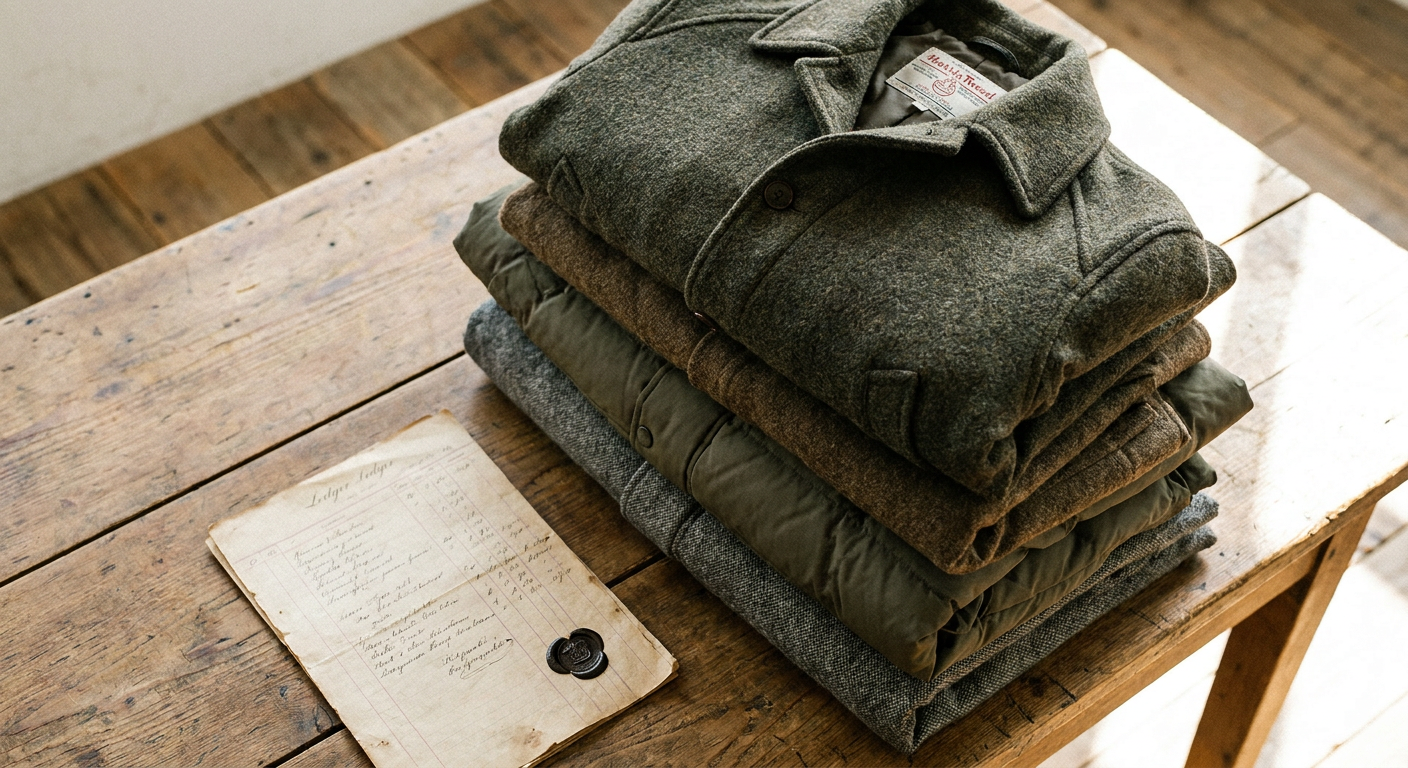
Heavy shearling flight jackets and heavyweight duffle coats from heritage makers like Gloverall or Invertere follow the same pattern. These are bulky, space-consuming pieces. Sellers do not want them sitting in a cupboard through July. Their desperation to clear floor space is your bargaining chip.
Shop from this article

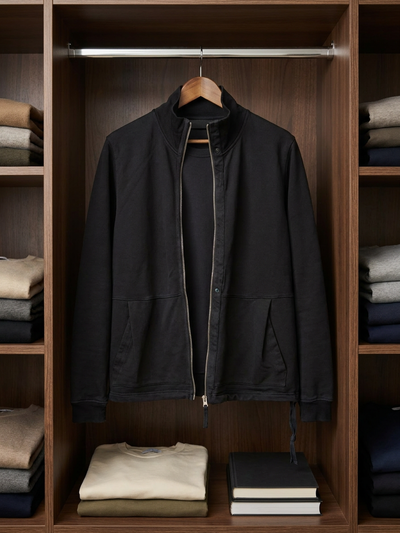

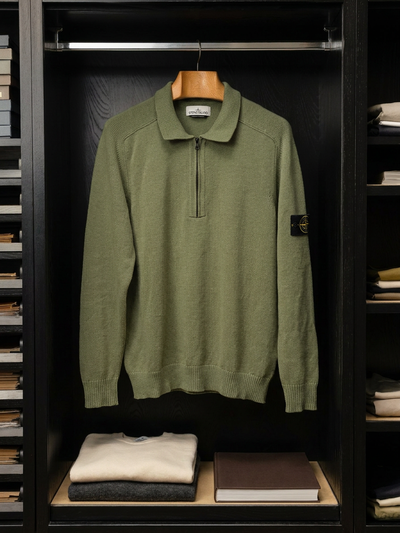

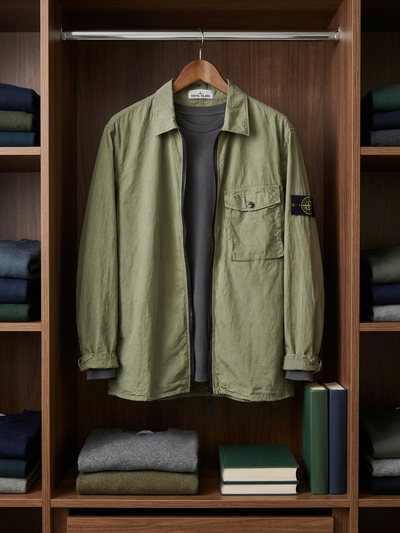
Knitwear and footwear follow the exact same curve
The logic does not stop at coats. Heavyweight knitwear is another category where patience pays outsized dividends in early spring. Hand-knit Scottish cable knits from Inverallan, chunky lambswool rollnecks from Andersen-Andersen, and heavy Shetland jumpers from Jamieson’s are ignored once the sun comes out.
A thick fisherman sweater that commands £180 in December will frequently sit unloved at £90 in May. Wool does not degrade if you store it properly. Buying thick knitwear in late spring feels counterintuitive when you open the parcel, but you will thank yourself five months later.
Stout winter footwear experiences the identical dip. Commando-soled country boots from Tricker's, Cheaney, or Red Wing see their secondary prices drop by 30 percent between March and June. Nobody is looking to buy triple-soled grain leather brogues when they are shopping for canvas trainers and loafers. That makes spring the ideal time to pick up bench-made Northampton boots for a fraction of their autumn value.
Managing the storage trade-off
The catch with off-season buying is physical reality: you have to store the gear. If you live in a small flat, parking a massive winter coat and two pairs of heavy boots in your wardrobe for half a year is a genuine logistical tax.
Doing it properly requires discipline. Never store heavy outerwear on thin wire hangers. A thick tailored hanger prevents the shoulder structure of heavy wool or down from collapsing over six months of dead weight.
Ditch plastic dry-cleaning covers immediately. They trap humidity and degrade natural fibres. Use breathable cotton garment bags instead. For knitwear, fold every piece flat. Hanging wool stretches it out of shape permanently. Pack it in sealed cotton bags with cedar blocks to keep moths away, and avoid vacuum compression bags for down coats or waxed cotton. Heavy compression ruins down loft and can cause permanent creasing in waxed finishes.
The pre-owned market runs on immediate gratification, which means patience is directly convertible into cash. Paying full market value in November is just paying a convenience fee for poor planning.
Related articles