buying guides
3 minute read
The Pre-Owned Case for Buying Suits: Financial and Quality Argument
Words by Heather June Coombs
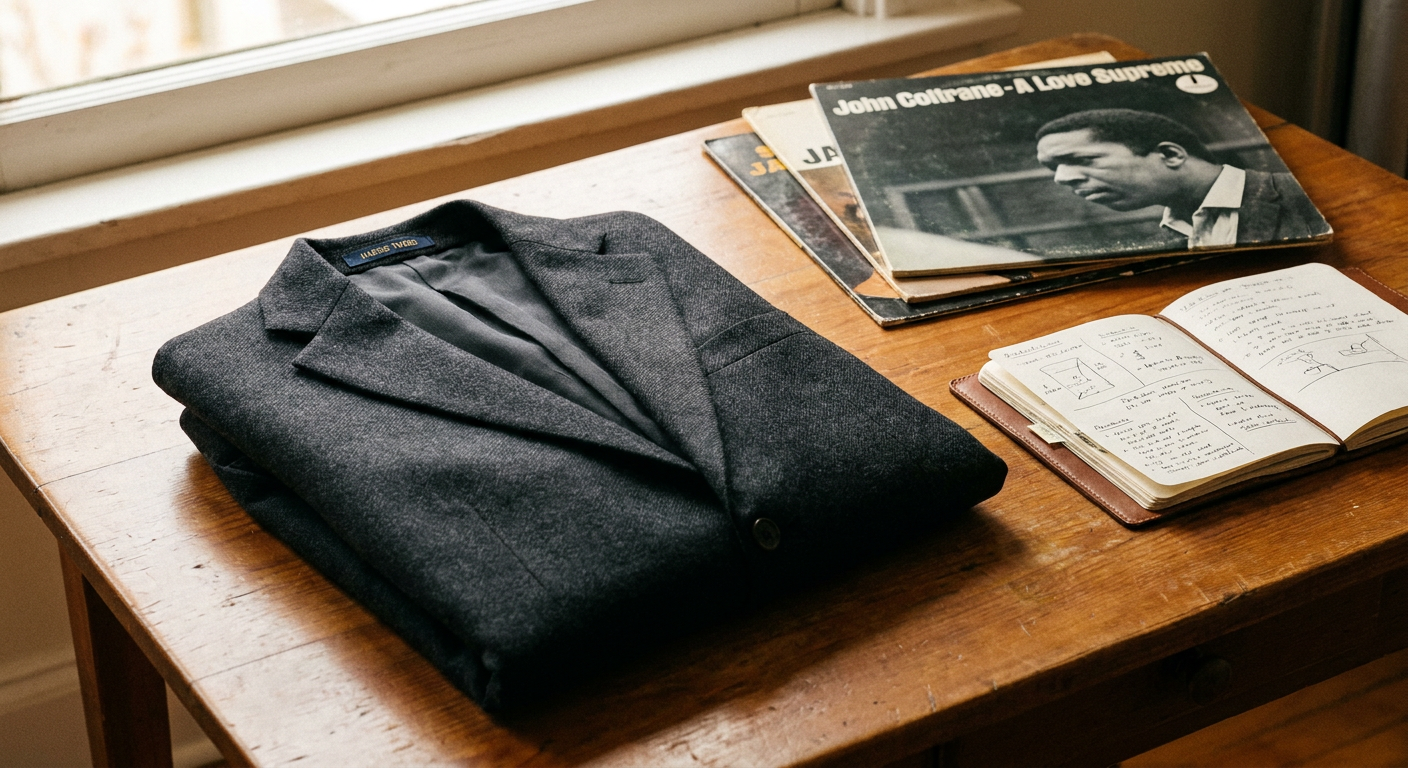
A well-made suit, cared for properly, improves with age, much like a good record collection.
The Pre-Owned Case for Buying Suits: Financial and Quality Argument
Buying a new suit often means compromise. For many, it is either a significant upfront expense for genuine quality, or a race to the bottom for something ill-fitting and poorly constructed from the high street. This dilemma is exactly where the pre-owned market shines. It offers access to craftsmanship and materials that are simply out of reach at a new retail price point. The argument for pre-owned suits rests on two pillars: financial shrewdness and an appreciation for lasting quality. A quick search reveals that a new, well-made suit from a reputable house can easily run into four figures. The same suit, gently worn, often changes hands for a fraction of that cost. This is not simply about saving money, but about getting more for every pound spent.
The Materials Argument: Wool, Horsehair, and Longevity
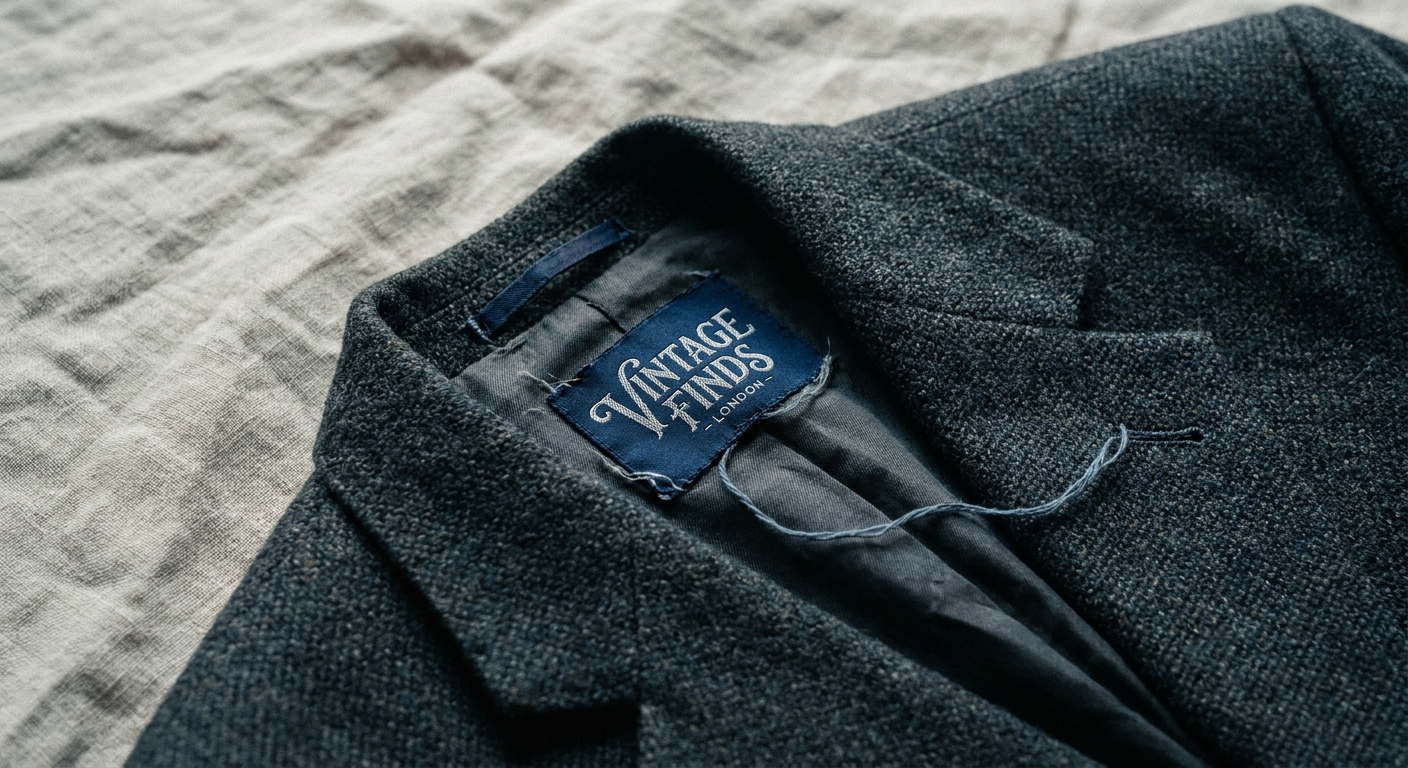
A suit's quality starts with its fabric. Cheap new suits use fused interlinings and low-grade wools or synthetics. These materials do not breathe, do not drape well, and often show wear quickly. They can look tired after just a few cleans. Better suits feature full or half canvas construction, using natural materials like horsehair, which moulds to the wearer over time and allows the suit to move naturally. This is a key differentiator. Canvas construction, common in suits from brands like Chester Barrie, Paul Smith, or Gieves & Hawkes, allows the suit to hold its shape for decades. Fused suits, by contrast, are glued together; the glue can degrade, causing bubbling and an unpleasant, stiff drape. When you buy pre-owned, you are more likely to find these superior construction methods at a price comparable to a brand-new, inferior fused suit.
The Craftsmanship Argument: How to Spot a Proper Suit
Beyond materials, look at the details. Hand-finished buttonholes, pick stitching along the lapels, and functional cuffs (surgeon's cuffs) are hallmarks of quality that are rarely found on entry-level new suits. These elements are not just aesthetic flourishes; they signify a level of attention and skill in tailoring that translates into durability and a superior fit. Checking the lining is also instructive. Is it a cheap polyester or a breathable cupro or Bemberg? Are the seams neatly finished? These small indicators tell a larger story about the garment's original value and its potential lifespan. A suit with these details, even if it is a decade old, will often outperform and outlast something off the rack today.
Shop from this article
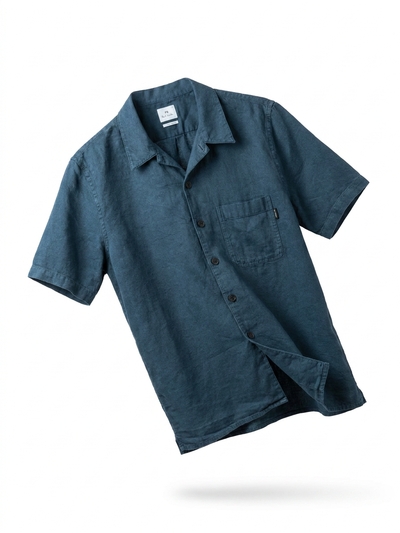
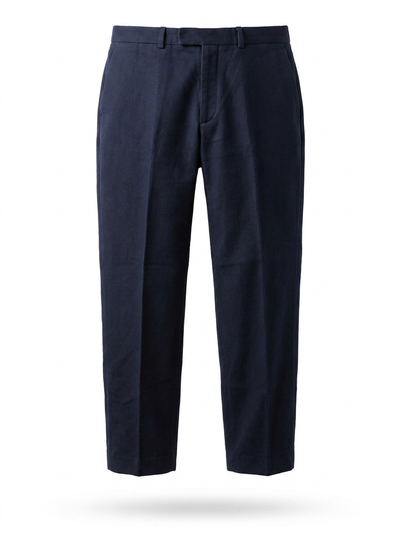
The Financial Argument: Getting More for Less
Consider a suit from a Savile Row tailor. A bespoke commission might start at £5,000. A ready-to-wear suit from the same house could be £1,500. On the pre-owned market, a perfectly good example might sell for £300-£500. The depreciation on new clothing, especially luxury items, is significant. This depreciation becomes the pre-owned buyer's advantage. This is not just about finding a bargain; it is about smart investment. A quality pre-owned suit, properly maintained, will hold its value better than a new, cheaper alternative. It becomes a foundation for a wardrobe, rather than a disposable item. The initial saving frees up budget for necessary alterations to ensure a perfect fit, which is crucial for any suit, new or old.
Finding the Right Fit (and Making it Your Own)
The biggest challenge with pre-owned suits is often fit. Unlike off-the-rack buying where you pick your size, pre-owned requires more flexibility. However, a good tailor can work wonders. Sleeves can be shortened or lengthened, waistbands adjusted, and trousers tapered. The cost of these alterations, when added to the pre-owned price, still typically results in a far better suit for your money than a new, similarly priced alternative. It is about finding a suit with the right bones – the right fabric, canvas construction, and overall quality – and then tailoring it to your exact measurements. This personal touch not only ensures a superior fit but makes the suit truly yours. It moves it from being merely a garment to a piece of clothing that reflects individual style and discernment. Buying pre-owned suits is a conscious choice to prioritise quality and value over convenience. It sidesteps the planned obsolescence of fast fashion and instead embraces garments built to last. It is a more considered way to dress well, without breaking the bank.
Related articles