buying guides
3 minute read
How to Buy Pre-Owned Suits Without Making Expensive Mistakes
Words by Heather June Coombs
A tailor can adjust trousers; they cannot rebuild the shoulder.
The Suit: A Second Chance
Buying a suit second-hand can save you serious money. It can also land you with a poorly fitting, dated piece of cloth that will never see the light of day. The difference is in knowing what to look for. This isn't about charity shop rummaging. This is about finding tailored value.
Fit First, Always
This is non-negotiable. The shoulders are the absolute priority. If they don't fit, don't buy it. A tailor can adjust trousers, shorten sleeves, even take in the waist. They cannot, however, rebuild the shoulder. Look for a clean line from the neck to the end of the shoulder. No overhang, no pulling. The lapels should lie flat without gapping. The jacket length is another key indicator. It should generally cover your backside and just touch the top of your thumb when your arms are at your sides. Sleeves should reveal about half an inch of cuff shirt. Most of this can be altered, but a massively oversized or undersized jacket is usually a lost cause.
Fabric That Lasts
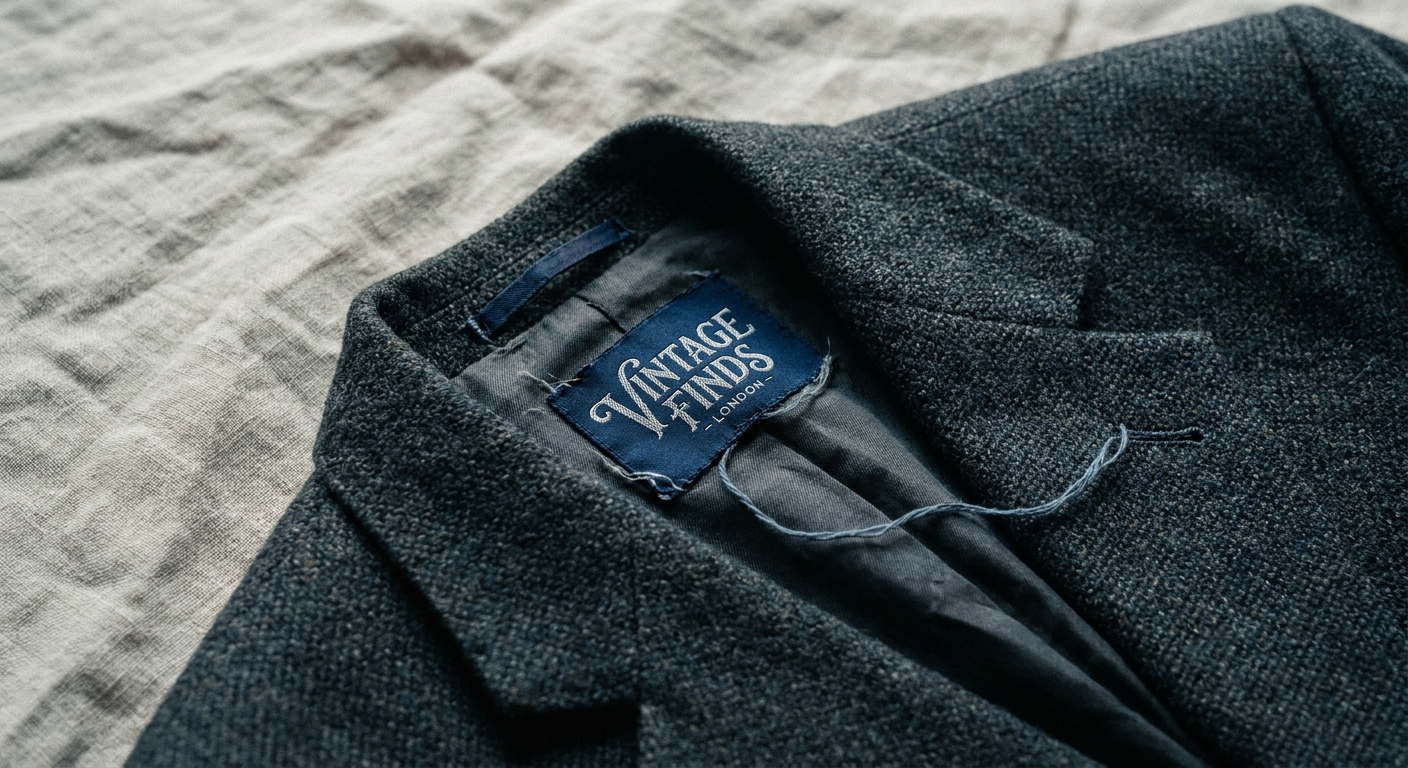
Ignore anything made from synthetic blends. Polyester might be cheap, but it breathes poorly and will look tired quickly. You want wool: worsted wool, tweed, flannel, cashmere blends. These fabrics drape well, wear better, and can be cleaned and pressed without fear. Check the fabric composition tag. If it's missing, feel the material. Good wool has a natural spring and a soft, dry hand. Look for signs of pilling, especially on the arms and where the jacket rubs against the body. This indicates heavy wear or poor quality fabric. Check the lining too. Silk or Bemberg rayon are signs of a better quality suit. Anything synthetic here suggests corners were cut.
Construction Details
A well-made suit tells you it was built to last. Look for proper canvas construction inside the jacket, not fused (glued) interlining. You can test this by pinching the fabric between the lapel and the first button, then gently rolling it between your fingers. If you feel a separate, soft layer moving independently of the outer fabric, it's canvassed. If it feels stiff and uniform, it's likely fused. Fused suits can bubble and pucker over time, particularly after dry cleaning. Check the stitching. It should be neat, even, and consistent. Hand-stitching, particularly on lapels, buttonholes, and armholes, is a mark of quality. Observe the buttons; real horn or mother-of-pearl are superior to plastic. Reinforcing buttons on the inside of the jacket and trousers indicates attention to detail.
Shop from this article
Condition: The Little Things Matter
Beyond overall wear, scrutinise the smaller elements. Examine the trousers around the crotch and seat for thinning or shine. Check the inside of the collar and cuffs for sweat stains or discolouration. Look at the trouser hems for fraying. Check all seams for signs of stress or splitting. Are all the buttons present and accounted for? Do the zips work freely? Patches, even small ones, can be a sign of previous damage that might reappear or indicate broader wear. A suit needs to be structurally sound, not just aesthetically acceptable from a distance.
Consider the Tailor's Budget
Factor in the cost of alterations. A good suit bought for £100 could easily become a £200 suit after tailoring. If the suit is already at the top of your budget, and you know it needs sleeve shortening, trouser adjustments, and perhaps a waist taken in, this could be an expensive mistake. Go in with a realistic view of what can be done and what it will cost. Some jobs, like resizing a jacket significantly or altering shoulder width, are either impossible or prohibitively expensive.
Buying Online: The Risk and Reward
Measurements are everything. Ask for detailed ones: shoulder width, chest (pit-to-pit), jacket length, sleeve length, waist, and inside leg. Compare these to a suit you already own that fits you well. Ask for clear photos of any imperfections. Buying online means you can't feel the fabric or check the canvas, so you rely heavily on the seller's honesty and the clarity of their listing. Only buy from sellers with a strong track record and clear return policies. A well-chosen pre-owned suit offers quality you often can't afford new. It requires patience and an eye for detail, but the reward is a garment with history and character, perfectly adapted to you.