outerwear
3 minute read
The pre-owned gilet guide — why Stone Island dominates the resale market
Words by Heather June Coombs
A gilet with compromised fill is not a gilet at all. It's just a shell.
Stone Island's Gilet Grip
The gilet. Not quite a jacket, more than a vest. Once the preserve of dog walkers and country gents, it's now a staple. And in the pre-owned market, one brand consistently outperforms all others: Stone Island.
While other brands fluctuate, Stone Island gilets hold their value with a tenacity few can match. This isn't accidental. It's down to a combination of design, material innovation, and a cultural cachet that shows no sign of fading. Understanding these elements is key to navigating the resale market for a good gilet.
What Works: Key Stone Island Models
Stone Island's strength in gilets lies in its padded and quilted options. They're functional, distinct, and instantly recognisable. The Stone Island FW018/019 Micro Yarn Down gilet, for example, is a consistent performer. Its lightweight yet incredibly warm construction uses a fine denier nylon that's been calendared to create a compact, wind-resistant shell.
Then there are the Polypropylene Denim options. These use a material that blends cotton and polypropylene, yielding a robust, almost rubberised feel. The dye treatments applied to these pieces often result in unique, faded effects that age gracefully, enhancing their appeal on the second-hand market.
Less common, but equally sought after, are gilets from the Shadow Project line. These often feature more complex designs, experimental fabrics, and limited production runs. They command higher prices purely due to scarcity and advanced technical specification.
Grading Quilted Outerwear: Beyond the Obvious
Condition grading for any pre-owned item starts with the basics: zips, poppers, tears, stains. For a padded or quilted gilet, you need to go further.
The integrity of the fill is paramount. Down or synthetic insulation can clump, migrate, or compress over time. Hold the gilet up to the light, gently shaking it. Are the panels evenly filled? Are there any noticeably thin spots or cold patches? Run your hands over the material, feeling for lumps or displaced stuffing. This is the difference between a functional gilet and one that simply looks the part.
Shop from this article
Check all seams for feather or fill leakage. Even a small tear or unstitched section can lead to significant warmth loss and degrade the garment's performance. The outer fabric should be assessed for abrasion, particular around the shoulders and waist where bags rub.
The Competition: C.P. Company and Moncler
C.P. Company gilets share some design DNA with Stone Island, often using garment-dyed nylons and similar construction techniques. They perform well, but generally don't reach the same price points. The branding is less overt, which appeals to a different buyer.
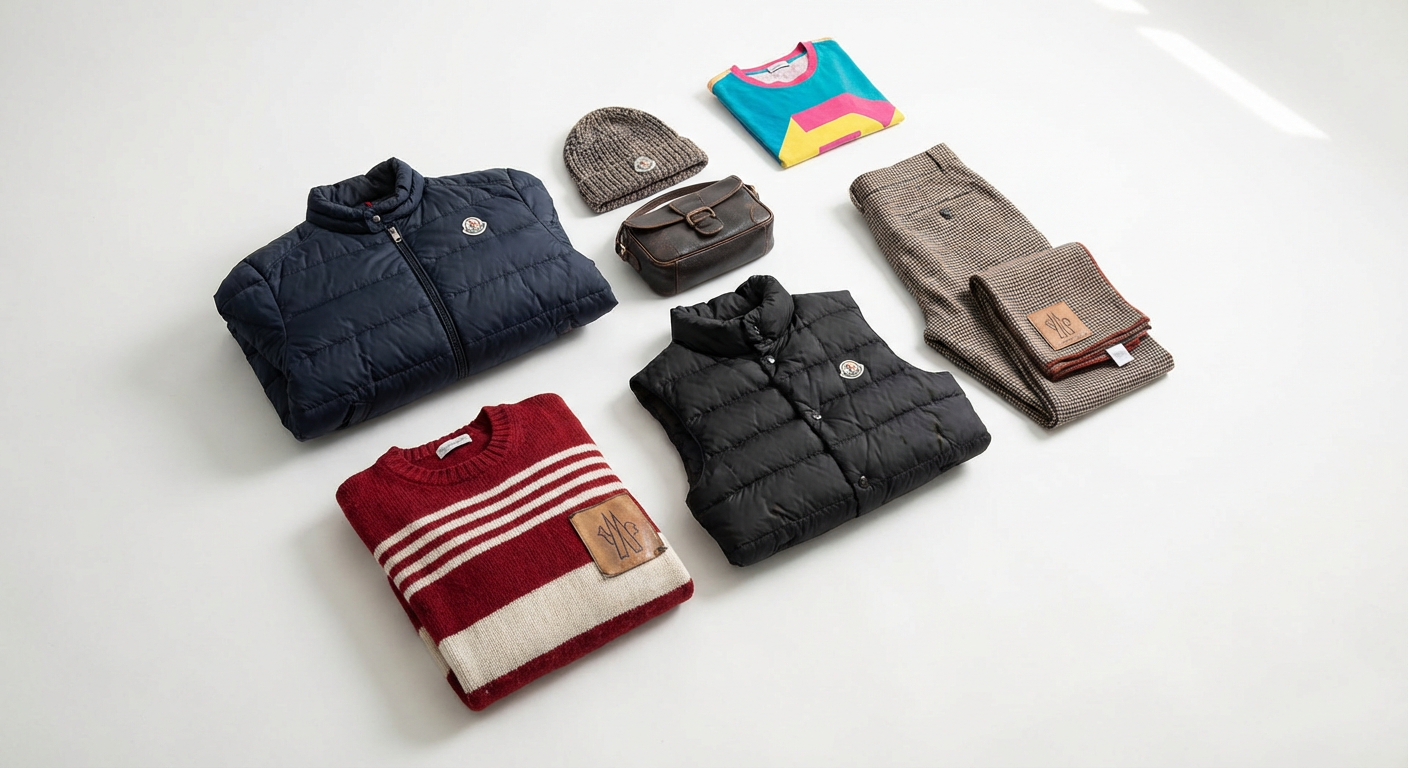
Moncler, on the other hand, occupies a higher luxury tier. Their gilets are exceptionally well-made, often using premium down and high-shine fabrics. They retain value effectively but cater to a more fashion-conscious consumer and typically have a higher entry price. For a robust, everyday gilet with a strong outdoor aesthetic, however, Stone Island remains the benchmark in the pre-owned space.
Pricing Expectations
A good condition Stone Island gilet, especially a recent padded or quilted model, will typically fetch 50-70% of its original retail price. Older, rarer pieces, or specific Shadow Project items, can exceed this. Expect to pay £200-£400 for a solid example, with exceptional pieces going for more. C.P. Company gilets usually sit in the £150-£300 bracket, while Moncler begins at £300 and can easily reach £600+.
The resale value of a Stone Island gilet is a testament to its enduring design, build quality, and that unmistakable badge. It’s an item that consistently delivers on the promise of lasting utility and style. If you know what to look for, the pre-owned market offers excellent examples.