footwear
3 minute read
Trainers as Investment: The Pre-Owned Pairs That Hold Their Value
Words by Heather June Coombs
More Than Just Shoes: Why Certain Trainers Become Assets
Buying a new pair of trainers used to mean spending money. For some, it still does. But for others, the right pair represents an investment. Not every release, certainly not every colourway, but specific models from certain brands can appreciate significantly. This isn't about hype, not entirely. It's about scarcity, heritage, and a discerning market that recognises true value.
The pre-owned trainer market is a serious business. Data from StockX or GOAT proves it. Certain shoes command prices far beyond their original retail, sometimes by multiples. These aren't just worn-out kicks; they're sought-after pieces, often unworn, that savvy buyers flip for profit or hold as appreciating assets. The key is knowing which ones.
The Holy Trinity: Jordan, Nike SB, Yeezy (Pre-Split)
No discussion of trainer investments is complete without Michael Jordan. The Air Jordan 1, in particular, remains the undisputed king. Original colourways like "Chicago," "Bred," and "Royal" fetch astronomical sums. Later retros, if they nail the shape and materials, also perform well. It's a combination of sporting legend, cultural impact, and timeless design that ensures consistent demand.
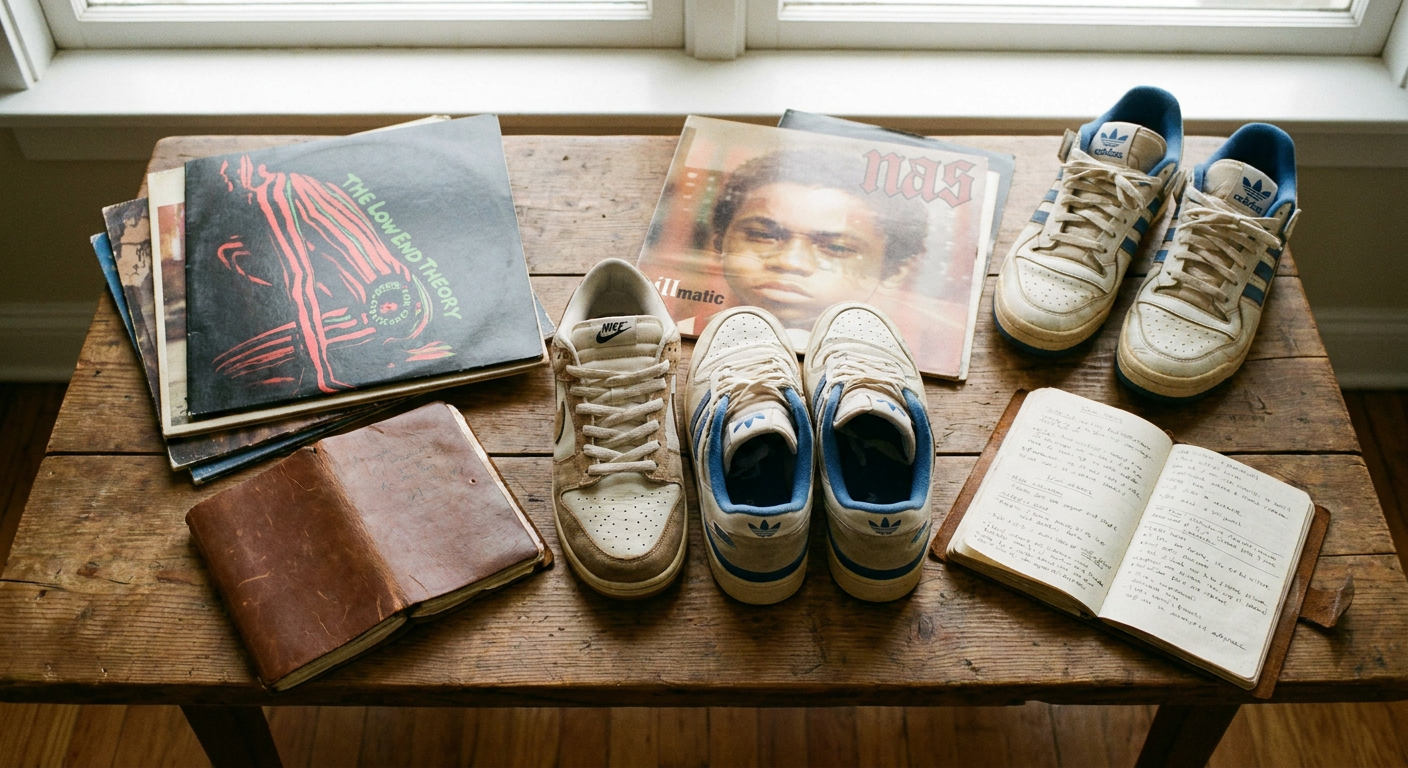
Nike SB Dunks, especially from the early 2000s, are another cornerstone. The era of limited production and creative collaborations with skate shops or artists like Jeff Staple's "Pigeon" Dunks created immediate collector appeal. These weren't just shoes; they were cultural artefacts, signalling insider status. The more recent resurgence of the Dunk has seen some modern releases hold their own, but the true grails are from yesteryear.
Kanye West's Yeezy line, particularly during its partnership with Adidas, also proved a strong investment for a period. Models like the Yeezy Boost 350 V2 "Zebra" or the 750 "Light Grey" consistently sold out and resold above retail. The scarcity, coupled with Kanye's cultural influence, drove prices. The split with Adidas has injected uncertainty, but the most iconic early models retain significant value for now.
The real money in pre-owned trainers isn't in chasing trends; it's in understanding rarity and enduring cultural significance.
Beyond the Mainstream: Adidas Originals and Collabs
While Nike often dominates the resale charts, Adidas has its own quiet contenders. The Adidas SPZL (Spezial) range, curated by Gary Aspden, has cult appeal. These often re-release obscure archive models with premium materials and limited runs. They don't reach Jordan-level prices, but they reliably increase in value for collectors. Early SPZL drops are particularly strong.
Shop from this article
Collaborations are another area for appreciation. Adidas's work with figures like Pharrell Williams or brands like Human Made often results in valuable pieces. Similarly, New Balance has seen a surge in desirability, particularly with their Made in USA/UK models and collaborations with brands like Aimé Leon Dore or Kith. Their 99x series, particularly the 992 and 990v3/v4/v5/v6, hold value due to their quality, comfort, and heritage.
What Makes a Trainer an Investment?
Several factors contribute to a trainer's investment potential. Rarity is primary; limited production runs or exclusive releases naturally drive demand. Condition is paramount: Deadstock (DS) or VNDS (Very Near Deadstock) pairs fetch the highest prices. The original box and accessories (extra laces, hang tags) are also crucial. Authenticity is non-negotiable; buying from reputable platforms or sellers is essential.
Originality also matters. First-issue colourways or models often perform better than subsequent retros, even if the retro is faithful. Cultural significance, whether through an iconic athlete, a pivotal moment in music, or a groundbreaking design, cements a shoe's place in history. These are not merely fashion items; they are objects with stories, a key driver of their resale trajectory.
Buying to Hold: A Different Approach
Investing in trainers isn't the same as buying stocks. The market is less predictable and subject to shifts in taste and trends. However, specific pairs consistently outperform. It requires patience and an understanding of the market's nuances. Avoid chasing every hyped drop. Instead, focus on established classics, significant collaborations, and models with a proven track record of desirability.
Ultimately, a trainer that holds its value isn't just a shoe. It's a piece of design history, a cultural marker, and a tangible asset. Buying smart in the pre-owned market allows access to these pieces, often at a fairer price than the initial resell peak, or to acquire pieces long out of production. It's about considered acquisition, not impulse.