footwear
3 minute read
How to Buy Pre-Owned Trainers Without Getting Burned
Words by Heather June Coombs
A seller with one grainy photo is not a seller; they are a problem.
The First Rule of Pre-Owned Trainers
Ignore everything you think you know about buying shoes. You are no longer strolling into Foot Locker. You're entering a different market, one where a worn-out Air Max 1 can fetch more than a brand-new pair of something less interesting. Condition, authenticity, and knowing the specific model matter more than a fresh box. This isn't about finding a cheap pair of running shoes. This is about finding the specific pair – the limited edition, the discontinued colourway, the archive piece – that you couldn't get new. Or the one you can now get for a sensible price.
Research Your Target
Before you even open a browser tab, know what you want. Not just "a pair of Nike Dunks." Identify the specific release, the colour code, the year. Look up common flaws for that model. Does the sole crack easily? Is the paint prone to chipping? Are there common factory defects? This information is your first line of defence. Visit forums, dedicated collector sites, and even YouTube reviews. The more niche the community, the better the information. Screenshots of genuine pairs from multiple angles are invaluable. Note the stitching patterns, the material textures, the tongue tags. The devil truly is in the details here.
Authentication: More Than Just a Receipt
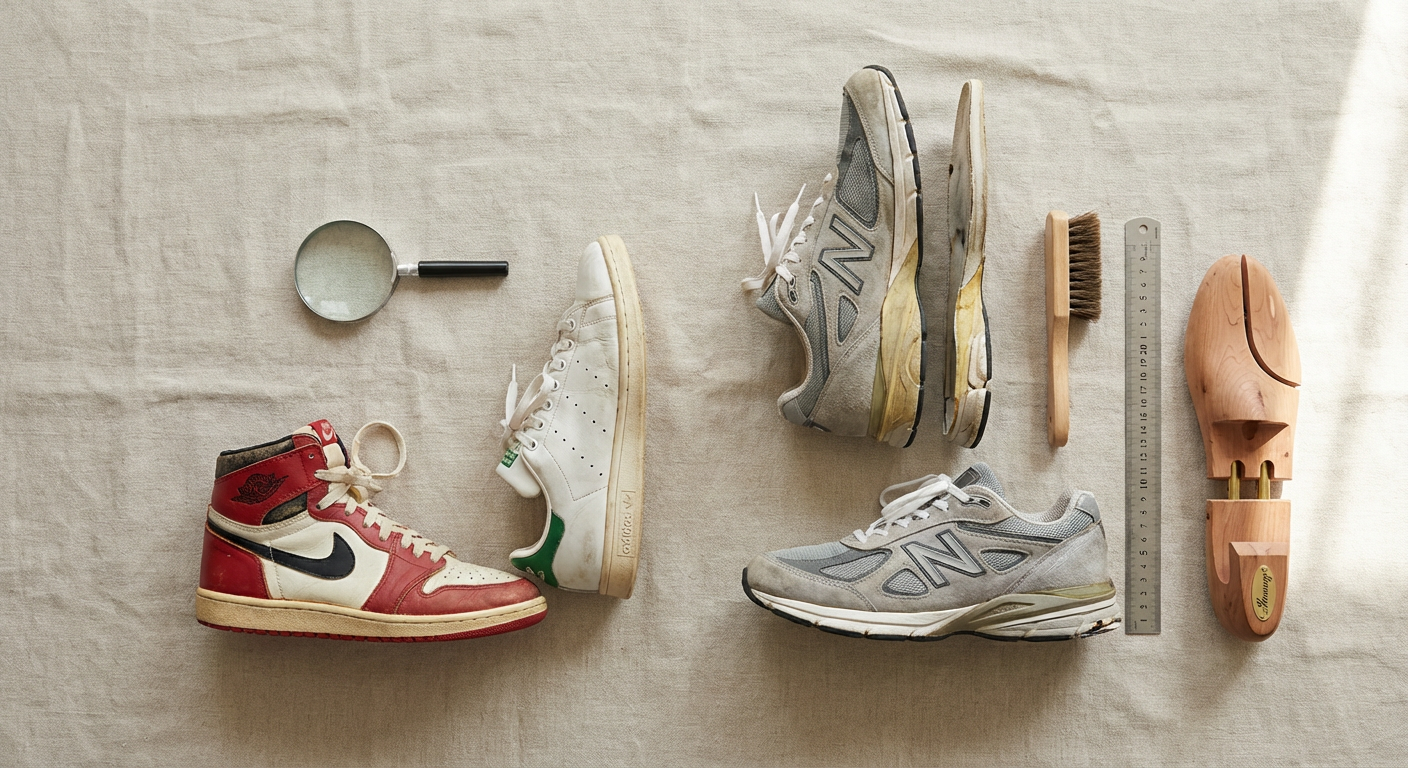
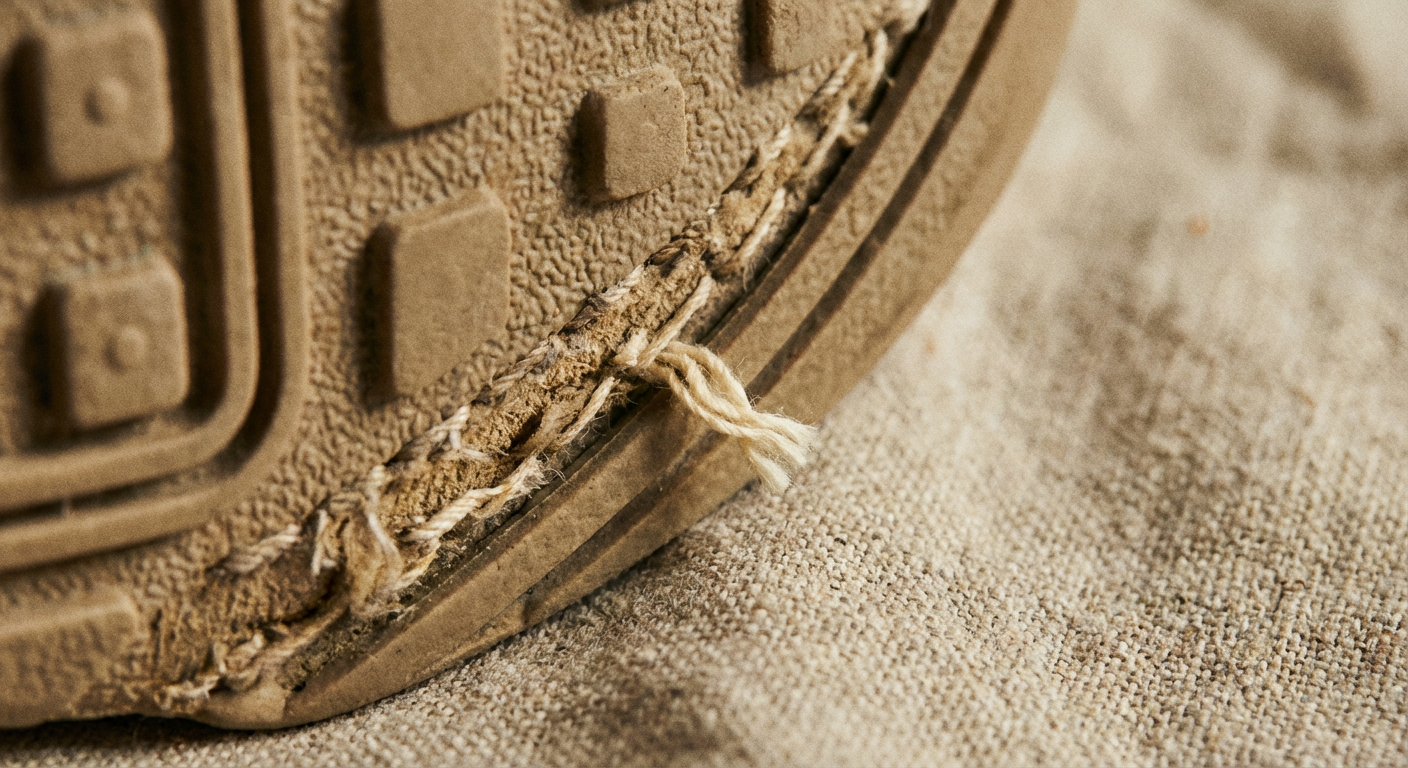
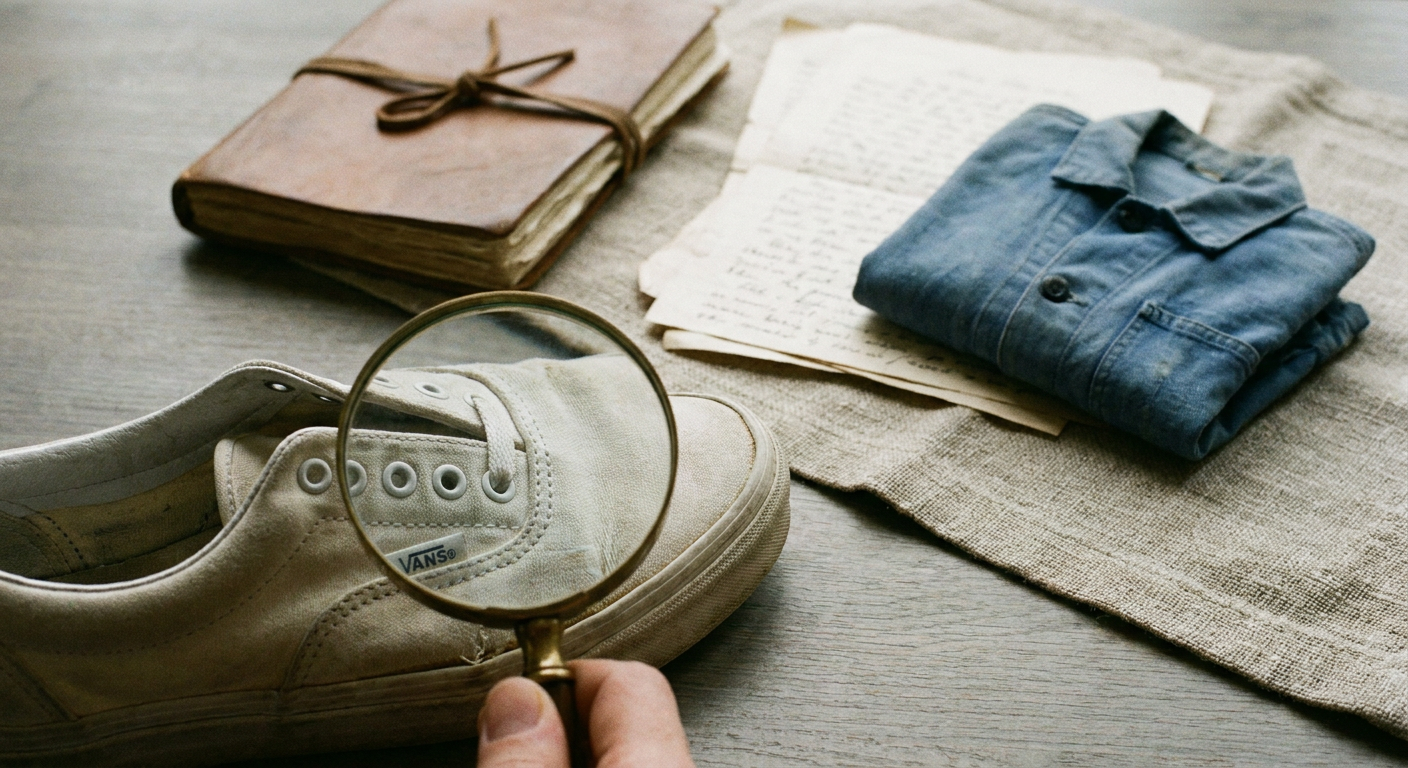
A receipt means little. Anyone can fake one. For high-value trainers, assume fakes exist. Learn to authenticate yourself. This involves scrutinising images. High-resolution, multi-angle photos are non-negotiable. If a seller won't provide them, move on. Look at the stitching. Is it uniform? Are lines straight? Check the spacing between elements. Real shoes follow precise manufacturing standards. Fakes often have slight inconsistencies. Examine the material. Does the suede look like suede? Is the leather quality consistent? Sole patterns, tongue tags, size labels, and inner stitching are all key indicators. Compare them meticulously against known genuine pairs.
Shop from this article

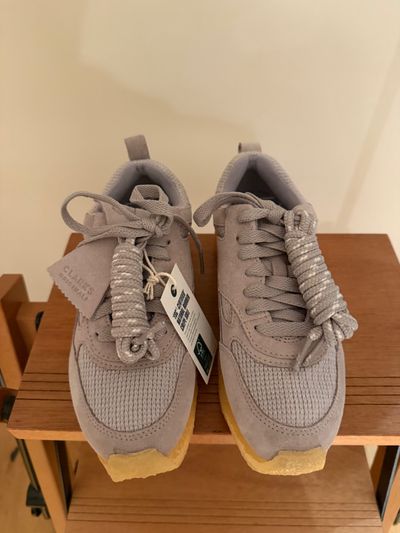

Condition Grades: Know What You're Buying
"Excellent condition" means different things to different people. A universal scale doesn't exist, but you can infer. Ask for specific details: "What's the sole wear like?", "Are there any scuffs on the mudguard?", "Any scuffs inside the heel?" The more specific the questions, the harder it is for a seller to be vague. Photos should show the sole, the heel drag, the toe box, the side panels, and the inside lining. Pay attention to yellowing, creasing, and scuff marks. A good seller will highlight flaws, not hide them. If a pair is described as "worn once" but the sole is chewed, raise an eyebrow.
Where to Buy: The Platforms
Dedicated reseller platforms like GOAT and StockX offer some buyer protection, but prices can be higher due to their authentication fees. Also, their authentication isn't infallible. For direct peer-to-peer sales, eBay is common, but buyer protection varies. Local marketplaces involve less protection, more risk, and more common sense. However you buy, always use a payment method that offers buyer protection. PayPal Goods and Services is standard. Never transfer money directly to a bank account for a stranger online. That's asking to get burned.
The "Too Good to Be True" Rule
If the price is significantly lower than the established market value for that specific model and condition, it's rarely a good deal. It's usually a scam or a highly convincing fake. Scammers target those looking for a bargain. Be patient. The right pair at the right price will appear. Don't rush into a purchase because of FOMO. There's always another pair. And if you're ever in doubt, walk away. Better to miss a perceived good deal than to end up with a pair of fakes and no refund. Protect your money. Protect your feet.