trainers
3 minute read
How to Check Pre-Owned Trainers for Sole Separation and Midsole Wear
Words by Heather June Coombs
A small, almost invisible gap can quickly become a major problem.
The Inevitable Demise of the Midsole
Buying pre-owned trainers offers access to models long out of production or at a fraction of their retail price. But it comes with a catch: the physical degradation of materials. Soles don't last forever. Foam midsoles, in particular, have a finite lifespan, often shorter than the upper they're attached to. Knowing what to look for can save you a bad purchase and a split sole.
Sole separation and crumbling midsoles aren't always visible to the untrained eye. Often, these issues only surface with wear, turning a perfectly good-looking pair into something unwearable after a single outing. It pays to be thorough in your inspection.
Sole Separation: The Upper-to-Sole Divide
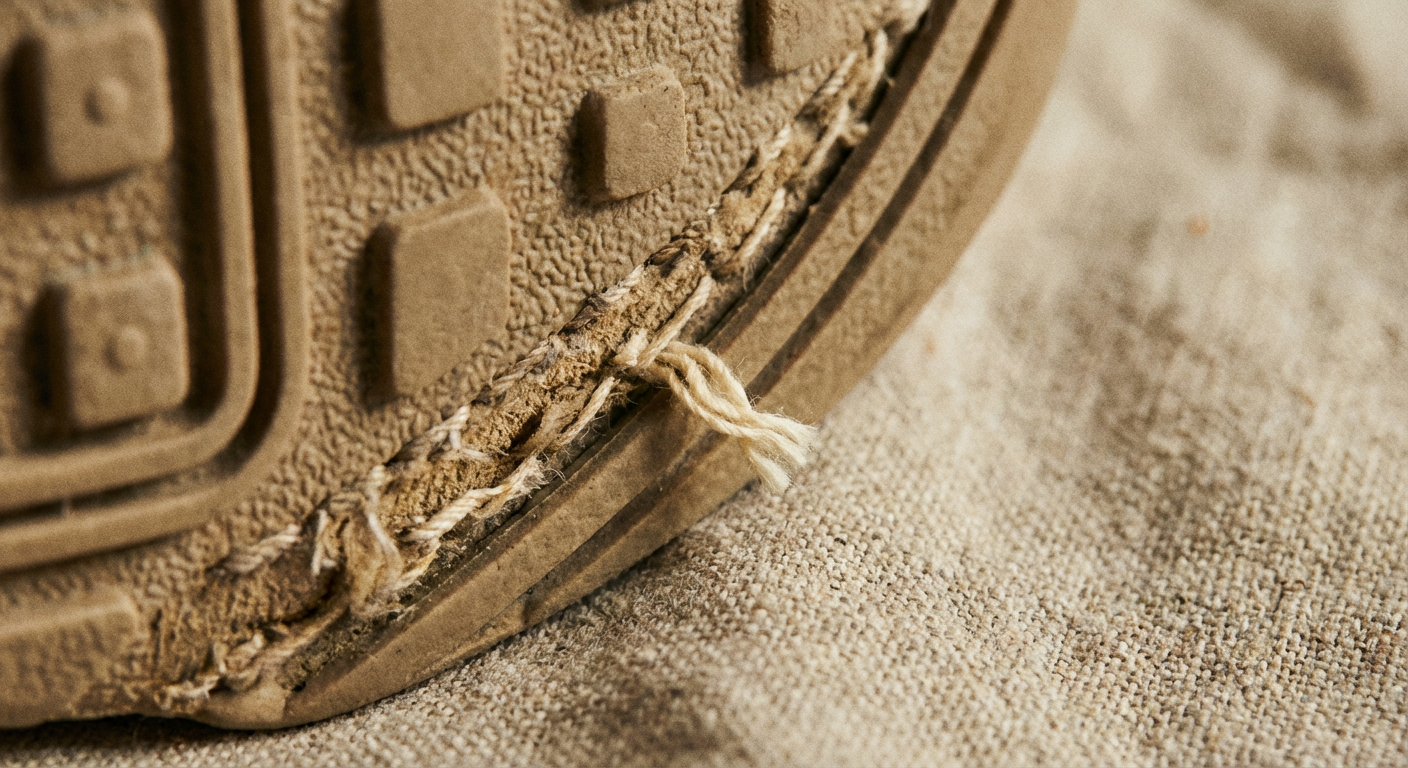
This is where the upper material detaches from the sole unit itself. It's most common around the toe box and heel, areas that experience the most stress during walking. The bond weakens, sometimes due to age, sometimes due to poor manufacturing.
When inspecting, gently try to pry the sole away from the upper with your fingers. Apply pressure in key areas: the very front of the toe, the sides where the sole meets the upper, and around the heel cup. You're looking for any give, any visible gaps, or the sound of adhesive cracking. A small, almost invisible gap can quickly become a major problem.
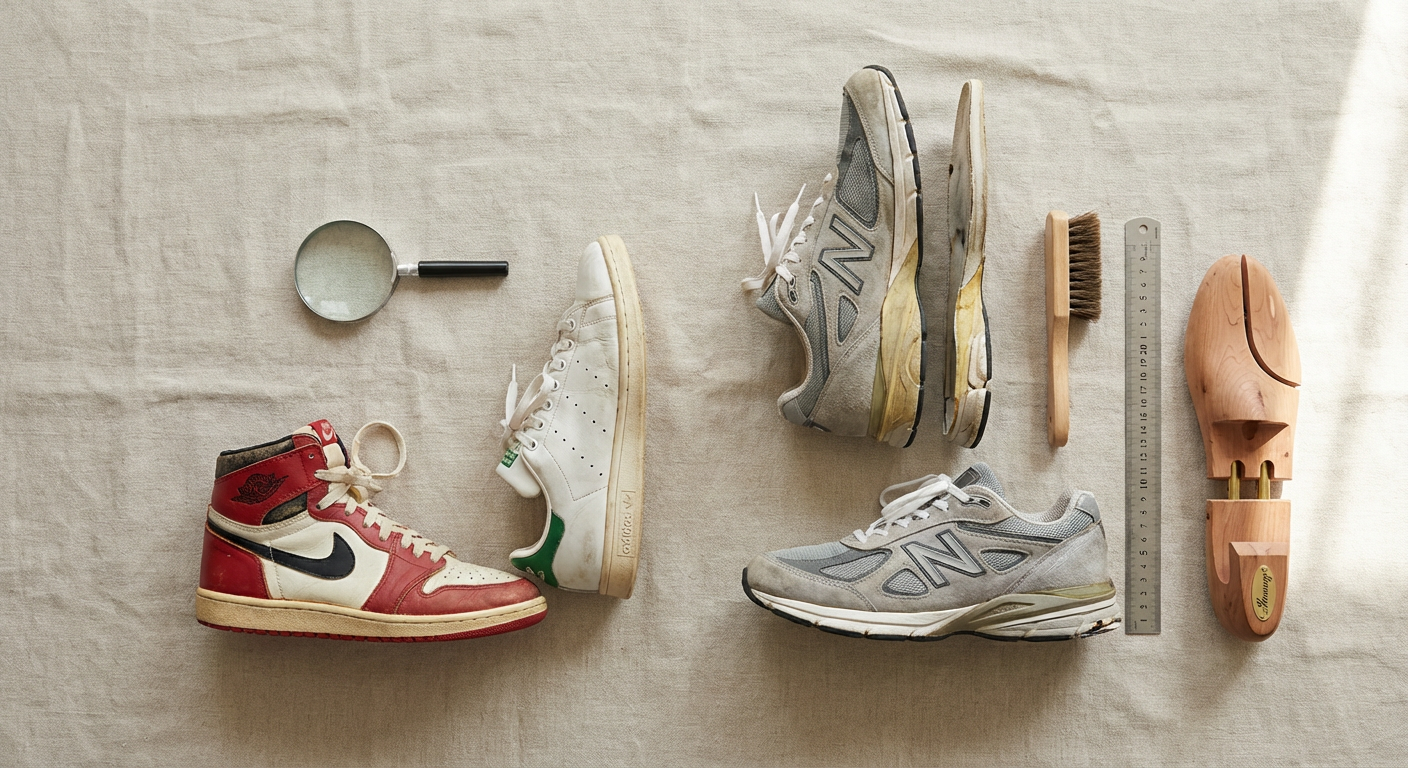
Pay particular attention to older models, especially those from the 1990s and early 2000s that use polyurethane (PU) midsoles. Brands like Nike, Adidas, and New Balance extensively used PU, which is known to degrade over time through hydrolysis – essentially, it crumbles and detaches due to moisture.
Midsole Crumbling: The Silent Killer
Midsole crumbling, sometimes called "crumble rot" or "hydrolysis," refers to the internal breakdown of the foam within the sole unit. It's a more insidious problem than simple sole separation because it's less visible until it's too late. The foam turns brittle and disintegrates under pressure, leaving you with a collapsing shoe.
Shop from this article
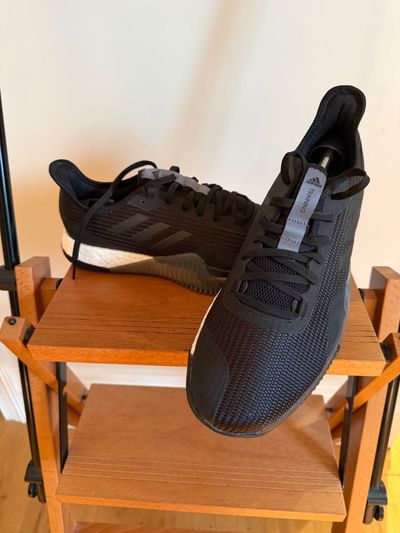
To check for this, apply firm pressure to the midsole with your thumbs. Squeeze the sides where the foam is exposed, and press down on the heel and forefoot sections. You're feeling for softness in areas that should be firm, or a crunchy, brittle sensation indicating the foam is breaking down internally. On shoes with visible air units (like Nike Air Max), check that the air bladder is still firm and not deflated or cracked.
Visual Cues and Environmental Factors
Sometimes, the signs are more obvious. Look for discolouration or hardening of the midsole material, particularly in lighter-coloured foams. Yellowing is common, but extreme yellowing can sometimes indicate material degradation. Small cracks or lines in the exposed foam are red flags. These are often the precursors to a full collapse.
Storage conditions play a huge role. Trainers stored in damp, humid environments are far more susceptible to midsole hydrolysis. Conversely, trainers kept in extremely dry, hot conditions can also suffer from accelerated foam breakdown, making it brittle. There isn't a perfect storage solution that guarantees longevity, but awareness helps.
What to Do if You Find Issues
If you identify significant sole separation or midsole crumbling on a pre-owned pair, the advice is simple: walk away. Unless you're buying them purely for display or as a restoration project, they won't last long, if at all, as wearable items.
Minor separation in a non-critical area might be fixable with specific trainer adhesives, but it's a gamble. Midsole crumbling, however, is a death sentence for the shoe's wearability. There's no effective repair for foam that has turned to dust, short of a full sole swap, which is a costly and specialist process.
Always ask sellers for detailed photos, especially close-ups of the sole unit from all angles. Don't be afraid to ask direct questions about the sole's condition and if there are any signs of separation or degradation. A good seller will be transparent.
The true value of a pre-owned trainer isn't just its aesthetics, but its structural integrity. Inspect thoroughly, ask questions, and trust your gut. Some trainers are best admired, not worn.
Related articles