music
3 minute read
What to Look For When Buying Pre-Owned Vinyl: Sleeve, Label, and Surface
Words by Heather June Coombs
The sleeve’s condition reflects how the vinyl itself has been treated. Ignore the hype, focus on the facts.
The Realities of Buying Pre-Owned Vinyl
Buying pre-owned vinyl is not like buying a new pressing. Expect imperfections. The goal is to find records that have been cared for and only show the wear that comes from actual use, not neglect or abuse. Know what to prioritise and what to overlook. The condition of the record is paramount. The sleeve and label are secondary, but still tell a story. They reveal how a record has been handled over its lifespan. A mint original pressing with no cover is a rare find, but usually not what you want.
Sleeve: Beyond the Artwork
The outer sleeve protects the record. Its condition often reflects how the vinyl itself has been treated. Look for structural integrity first. Tears along the edges or spine indicate rough handling. Ring wear, the circular indentation caused by the record pressing against the cover, is common on older sleeves. Minor ring wear is to be expected; heavy ring wear suggests constant friction and potential internal damage. Seam splits are another common issue. These occur when the glue along the sleeve's edges gives way. Minor splits can be repaired with archival glue, but major ones are harder to fix and significantly reduce value. Corner dings are almost unavoidable. Avoid sleeves with water damage, as this often leads to warping and odour issues. Discolouration, fading, or writing on the sleeve also detract. Original artwork should be intact, even if faded. Original inner sleeves are a bonus, especially those with lyrics or artwork. However, a plain paper or poly-lined inner sleeve is often preferable to a damaged original. A record stored in a PVC sleeve for an extended period is a red flag—these can react with the vinyl, causing chemical hazing.
Label: The Fingerprint of a Pressing
The record label provides crucial information: artist, title, catalogue number, and crucially, the pressing details. Check the label for spindle marks, the small circular impressions around the centre hole. A high number of spindle marks suggests the record has been played frequently, or handled carelessly. Excessive marks can indicate a DJ copy or a generally well-loved record. Minor, light marks are natural. Look for writing or stickers on the label. Pen marks, especially those covering track listings or catalogue numbers, reduce value. Labels peeling, bubbling, or discoloured indicate poor storage or damage. Tears around the centre hole are a sign of forced removal from turntable spindles. The clarity of the print on the label can also hint at the pressing’s age and authenticity. Later re-presses sometimes have fuzzier, less defined print than originals.
Surface: The Most Critical Examination
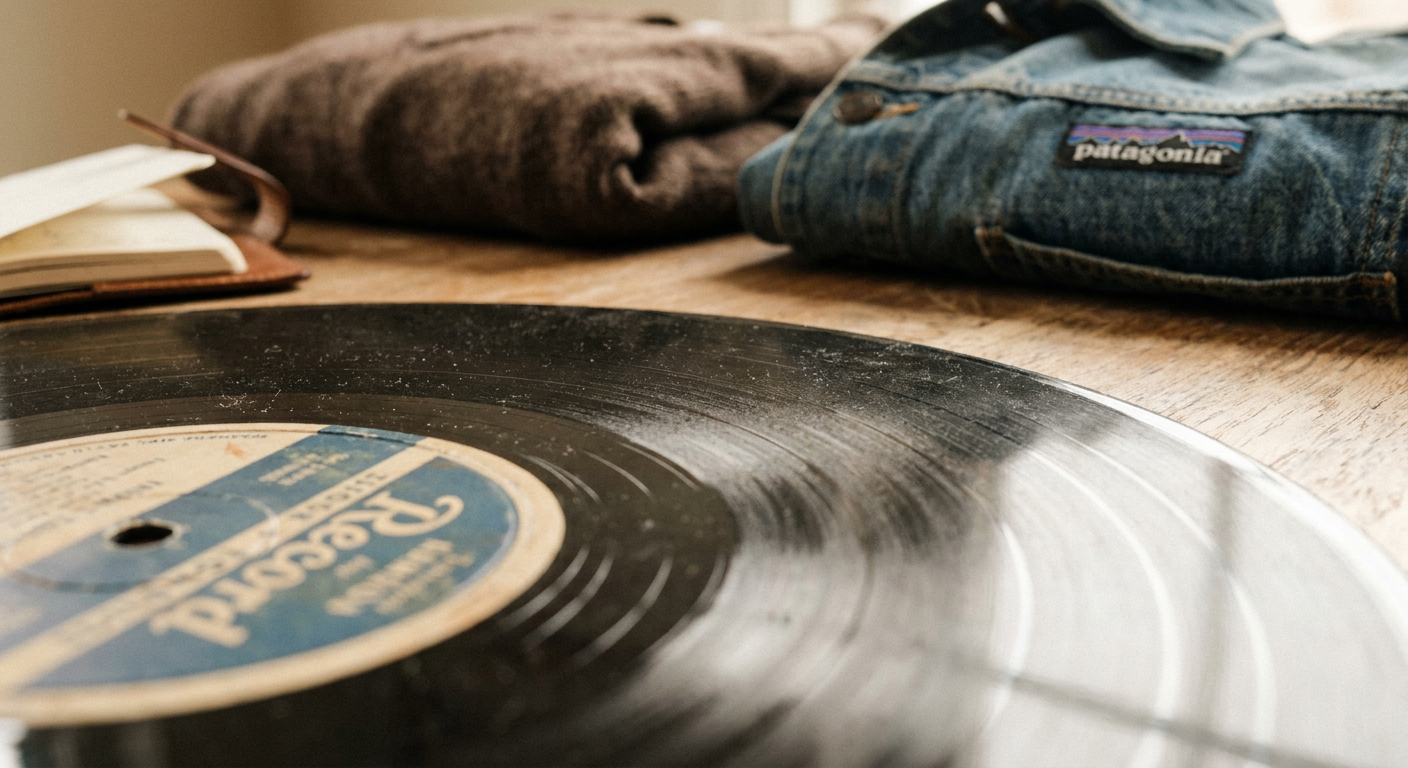
This is where you earn your money back. The vinyl surface itself is the most critical component. Hold the record under a strong light source, preferably an incandescent bulb, and rotate it slowly. Look for scratches. Light, superficial scuffs that don't break the groove will often be inaudible or produce only minor crackle. Deep scratches that you can feel with a fingernail will almost certainly be audible pops or skips. Dust and grime are common and usually cleanable. Don't confuse surface dirt with actual damage. Mould, however, is a serious issue. It appears as a white, powdery residue and can etch into the vinyl, causing permanent damage. Avoid records with visible mould. Warping is another critical factor. Place the record on a flat surface or a turntable platter and watch for any noticeable wobble. A slight dish warp might be playable, but a severe warp will affect playback stability. Check the run-out groove – the area closest to the label. This often contains etched information, including matrix numbers, which can help verify the pressing. These etchings should be clear and free from damage. A clean, shiny surface with minimal marks is the goal. Buying pre-owned vinyl demands patience and a keen eye. A quick once-over in dim light often leads to disappointment. Learn to differentiate between honest wear and actual damage. A record that’s been played often, but handled with care, is always preferable to one that’s been neglected.