music
3 minute read
First Pressings vs Reissues: Does It Actually Matter for Listening
Words by Heather June Coombs
The truth is, not all reissues are equal, and not all first pressings are sonically superior.
The Case for Original Wax
Vinyl collecting grew up from listening. Now, for many, it often means obsessing over detail. The debate about first pressings versus reissues is one of those details. For some, anything but an original is a compromise. For others, it's an unnecessary expense. The truth sits somewhere in between.
A first pressing is the initial run of a record. It carries the weight of history. It's the sound as the artist and engineer intended, on the technology available at the time. This means the master tapes were fresh. No generational loss. No digital intermediary. Just pure analogue signal path from studio to lacquer.
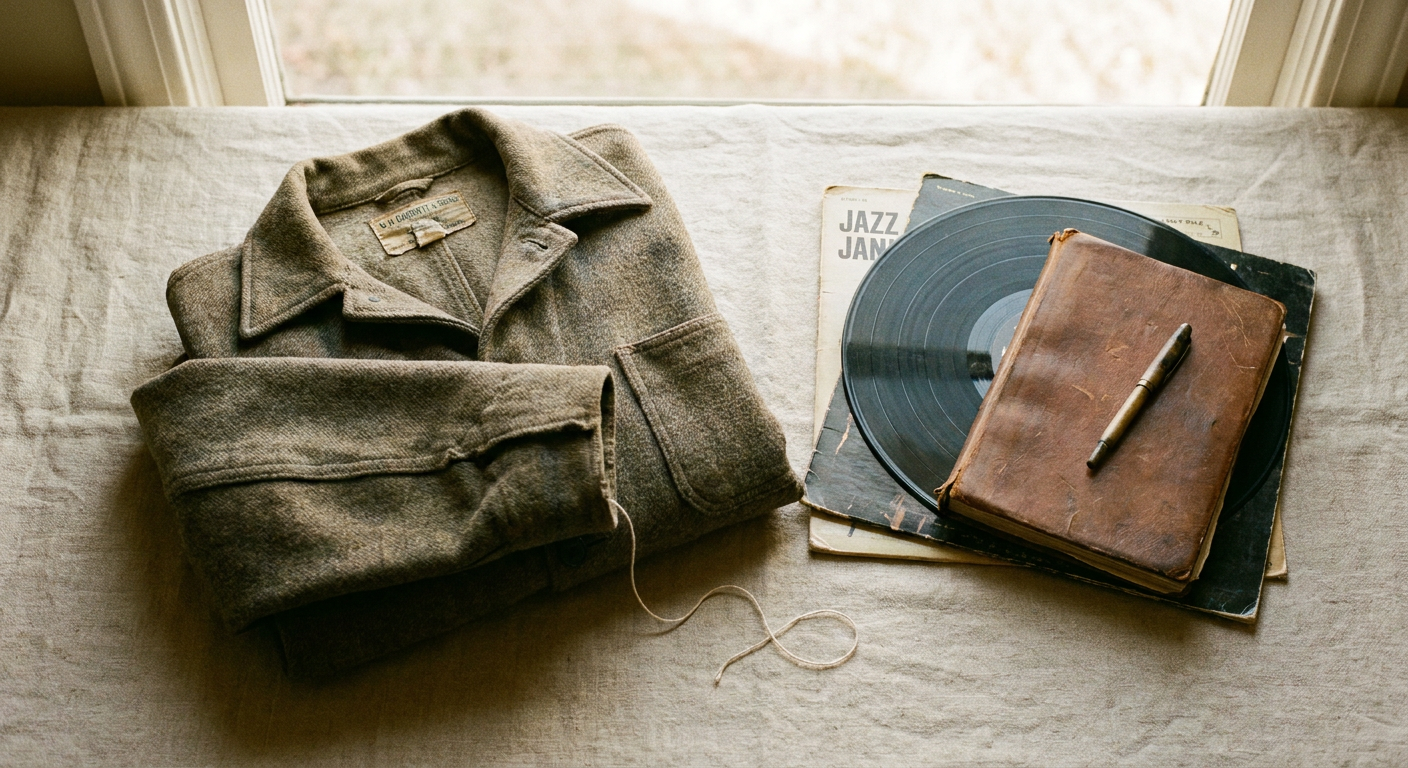
Consider a 1960s jazz record from Blue Note. The original RVG stampers, cut by Rudy Van Gelder, are legendary. They have a certain sonic signature – wide soundstage, punchy bass, clear instrumentation. Reissues, even those from the original tapes, can't always replicate that full chain of custody. Different cutting engineer, different mastering choices, different pressing plant. Small changes stack up.
The Evolution of Reissues
Reissues are not all cut from the same cloth. There's a spectrum. At one end, you have quick cash-grab reissues, pressed from a low-res digital file, often noisy and lifeless. At the other, you have audiophile reissues, meticulously crafted, sometimes even using the original analogue master tapes and an all-analogue signal chain.
Labels like Analogue Productions, Mobile Fidelity Sound Lab (MoFi), and the Blue Note Tone Poet series dedicate themselves to this. They often involve extensive research, working with original engineers or their notes. Sometimes, a reissue can sound better than a mediocre original. Pressing technology has improved. Noise floor can be lower. Vinyl compounds are often cleaner.
The MoFi controversy from a few years back highlighted the complexities here. Their "Original Master Recording" series was found to be using a DSD step in their chain, despite implying an all-analogue process. For some, this was a betrayal. For others, the records still sounded excellent. It proved that "best sounding" isn't always tied to the purest analogue path.
Beyond the Sound: The Collector's Angle
For many, the value of a first pressing isn't purely sonic. It's about scarcity, provenance, and the story. Owning the exact version that came out on release day in 1977. The original artwork, the specific label design. That specific shade of deep groove vinyl, or the exact weight of a thick, heavy sleeve. This is where collecting intersects with history.
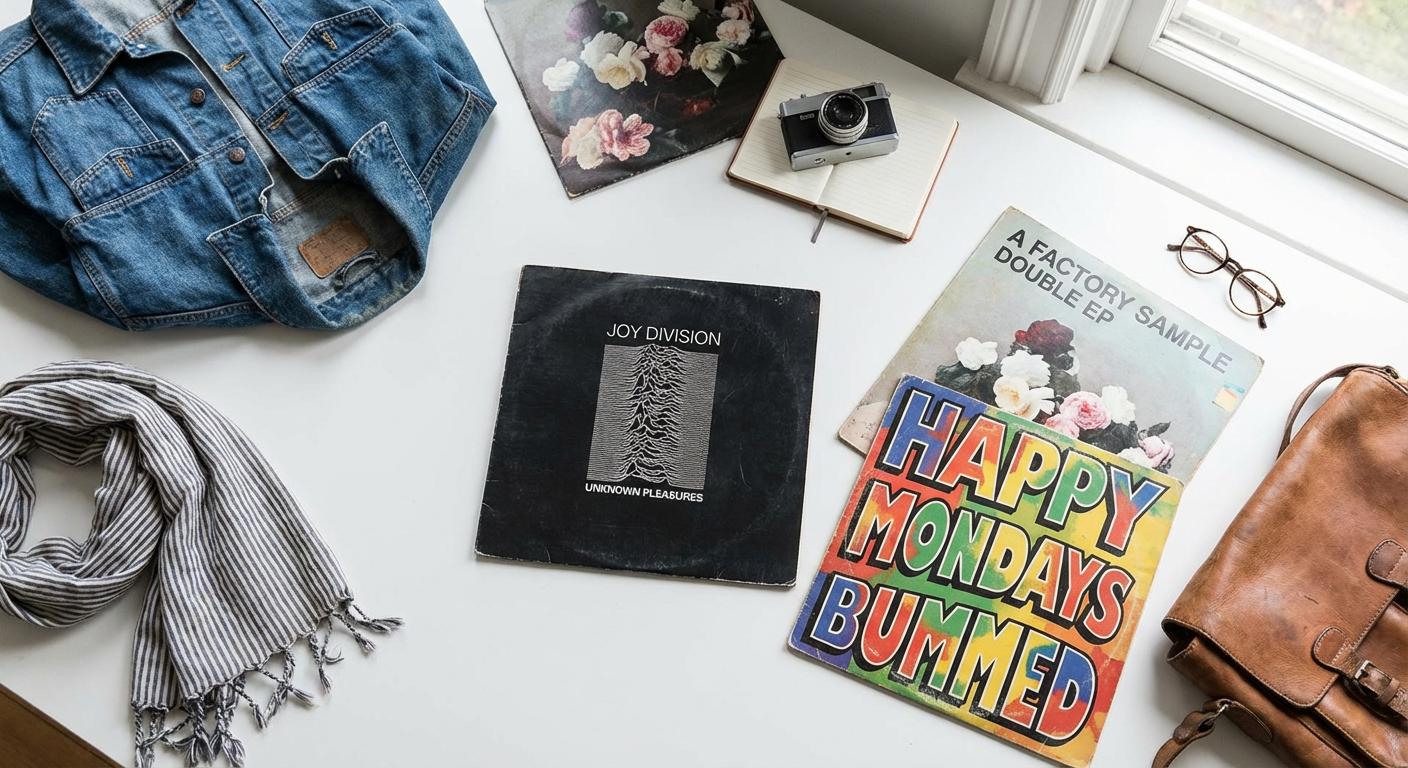
Take Joy Division's "Unknown Pleasures." An original Factory Records UK pressing with the textured sleeve and the correct matrix numbers holds a certain weight. A later reissue, even if it sounds decent, doesn't quite have the same tactile or historical presence. It's less about the frequency response and more about the artefact.
This is where prices diverge dramatically. A rare, desirable first pressing in top condition can command serious money. A reissue, even a good one, rarely reaches those heights. It's the difference between owning a piece of history and owning a modern reproduction.
Practicalities: Cost vs. Fidelity
Unless you have deep pockets, chasing every first pressing is unsustainable. Many records, particularly from niche genres or smaller labels, are prohibitively expensive. This is where reissues shine. They make music accessible. They allow listeners to connect with classic albums without spending a month's rent.
Sometimes, a reissue is the only practical option. The master tapes of certain cult records might be lost or damaged. Digital remasters are the only way to get a clean copy. Or a first pressing might exist only in poor condition, full of pops and crackles, outweighing any inherent sonic superiority.
Ultimately, the decision rests on priorities. Is it about owning the most historically accurate artefact? Or is it about enjoying the music on a format you prefer, regardless of its original release date? Most collectors strike a balance, opting for first pressings of particular favourites and relying on well-made reissues for the rest.
Don't dismiss a well-engineered reissue out of hand. And don't assume every first pressing is a sonic revelation. Listen first, if you can. Then decide whether the premium is worth it.