brand focus
3 minute read
Why Fast Fashion Destroyed the Middle Market (and What That Means for Pre-Owned)
Words by Heather June Coombs
The high street is a wasteland. Not literally, though plenty of shops are shuttered. Figuratively, it is a place devoid of considered clothing that offers real value.
The high street is a wasteland. Not literally, though plenty of shops are shuttered. Figuratively, it is a place devoid of considered clothing that offers real value. The middle market, that sweet spot between throwaway fast fashion and inaccessible luxury, has been systematically dismantled. This wasn't an accident; it was a consequence of a relentless race to the bottom on price and a race to the top on trend cycles.
For decades, British high-street brands like Laura Ashley, French Connection, and even certain lines from Marks & Spencer offered quality, design, and durability at a price point that made sense. You bought a coat, it lasted. You bought a dress, you wore it for years. These were not investment pieces in the luxury sense, but they were certainly not disposable. Then the behemoths arrived.
The Speed Problem
Fast fashion thrives on speed. From design to store, some chains can turn around new lines in as little as two weeks. This dizzying pace made traditional retailers look sluggish. They simply could not compete with the constant influx of newness, priced to be bought, worn once, and discarded. The consumer, often unwittingly, was conditioned to expect an endless parade of cheap thrills.
This shifted the goalposts. Quality became secondary to novelty. Brands that once prided themselves on fabric, construction, and lasting style found themselves squeezed. They either had to compromise on their standards to lower prices or watch their customer base erode, drawn away by the siren song of £7 t-shirts and £25 dresses.
The Brand Erosion
The result was a hollowing out. Brands that refused to compromise on quality often moved upmarket, becoming more niche. Those that tried to compete on price found themselves trapped in a race they couldn't win, often diluting their brand identity and alienating their loyal customers. Many simply disappeared.
Consider the fabric compositions alone. Where once mid-market items would reliably feature cotton, wool, or linen, synthetic blends became dominant. Polyester, acrylic, and viscose took over, offering cheapness and convenience but none of the drape, breathability, or longevity of natural fibres. The customer might save a few pounds, but the garment had a significantly shorter lifespan.
Shop from this article
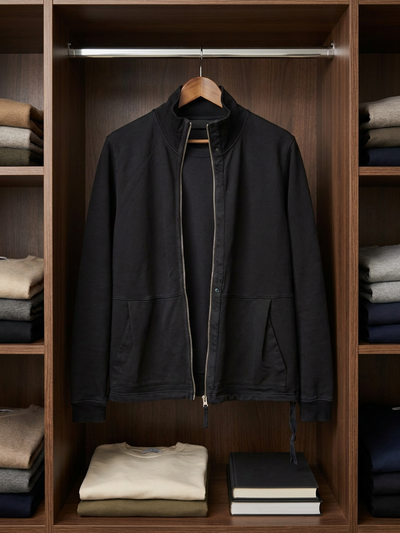
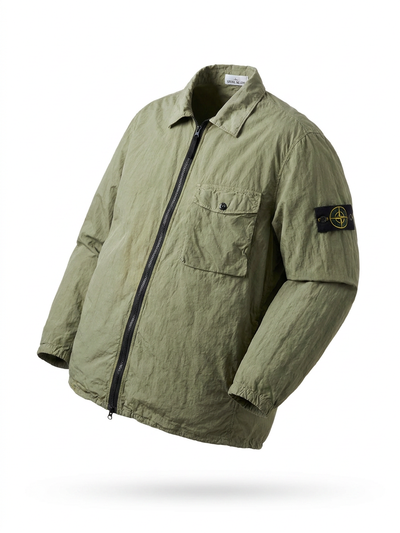
What This Means for Pre-Owned
The demise of the middle market has two key implications for pre-owned. Firstly, it amplifies the value of older, well-made garments. A 10-year-old trench coat from a brand that understood construction often far surpasses anything new at a comparable price point today. These older pieces are built differently. They were made to last, not to be replaced in a season.
Secondly, it creates a supply-side problem for future pre-owned markets. If everything being produced now is designed to be disposable, what will be available for resale in five or ten years? The market for genuinely durable, well-made items from the 2020s and beyond will be smaller, concentrated only on high-end luxury or specialist brands that resisted the fast-fashion pull.
The Patina Opportunity
This is where platforms like Patina step in. We are not just selling "used clothes." We are offering access to the kind of quality and design that is increasingly absent from mainstream retail. We focus on brands that historically made good things, or those contemporary labels still committed to proper manufacturing.
Finding a vintage Barbour jacket, a first-generation Stone Island smock, or an early A.P.C. denim jacket on Patina is not just a transaction. It's a statement against obsolescence. It's an acknowledgement that genuine value lies in enduring quality, not fleeting trends. The destruction of the middle market has, ironically, made the case for pre-owned stronger than ever.
The gap left by the vanished middle market is being filled, in part, by the discerning buyer looking backwards. They seek the integrity and substance that vanished from the high street, understanding that real value often already exists, waiting to be found.