buying guides
3 minute read
Buying Pre-Owned Online vs In Person: An Honest Comparison
Words by Heather June Coombs
A good online seller will overstate flaws. A great one will show them in sharp, unflattering light.
Buying pre-owned online or in person each presents distinct advantages and drawbacks. Neither is inherently superior. The best method depends on what you are looking for, your budget, and how much risk you are willing to accept. Understanding these differences matters. It helps manage expectations and, crucially, avoid disappointment.
Authentication and Trust
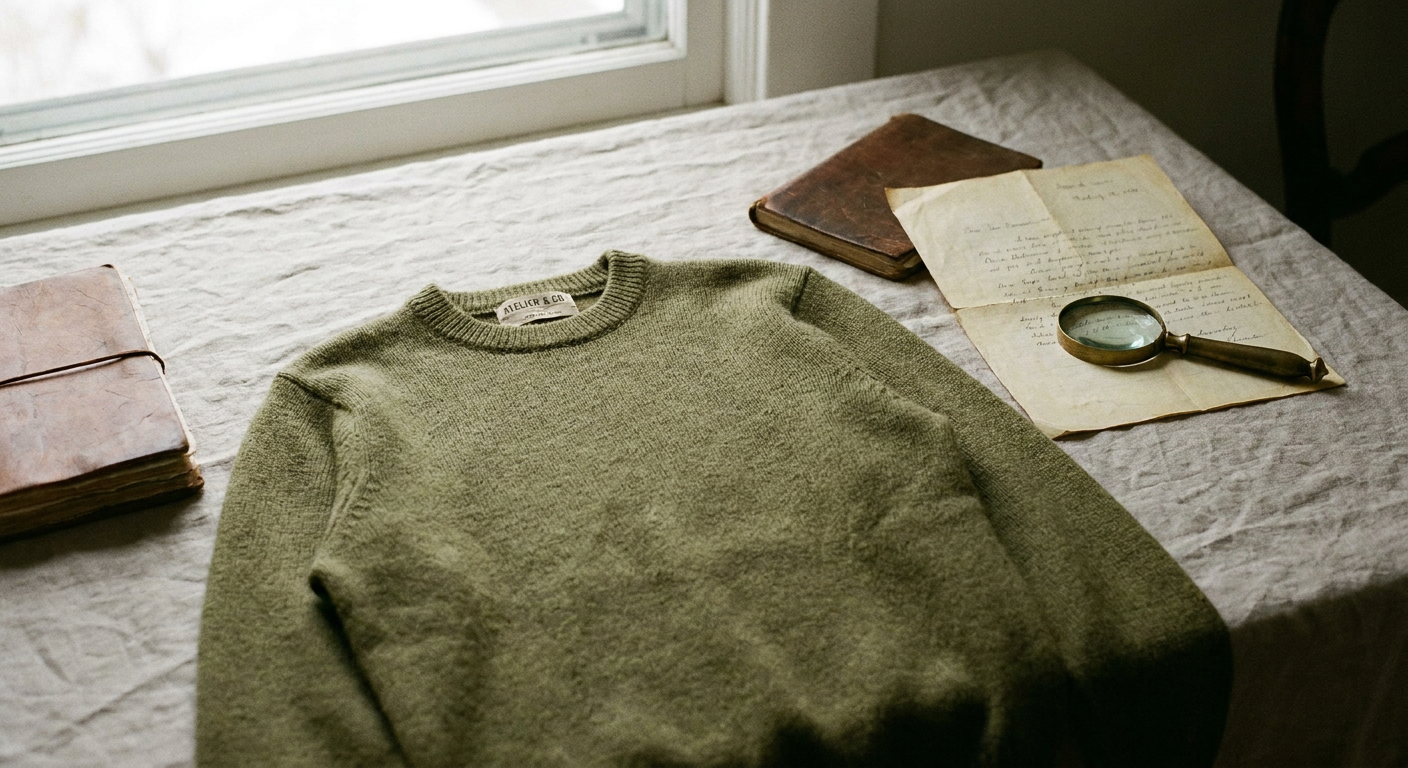
Online platforms have made significant strides in authenticating items. Many now offer services from third-party experts or employ in-house teams. That said, it is never foolproof. High-resolution images and detailed descriptions help, but they cannot replace a physical inspection for certain items. Counterfeits evolve. In person, you can feel the fabric, inspect the stitching, or examine the record’s run-out groove. Dealers in physical stores often have reputations built over years. Their expertise is verifiable. A genuine specialist will welcome detailed questions and provide provenance where possible. You can establish a rapport, which builds trust more readily than through a chat window.
Condition Grade Reality
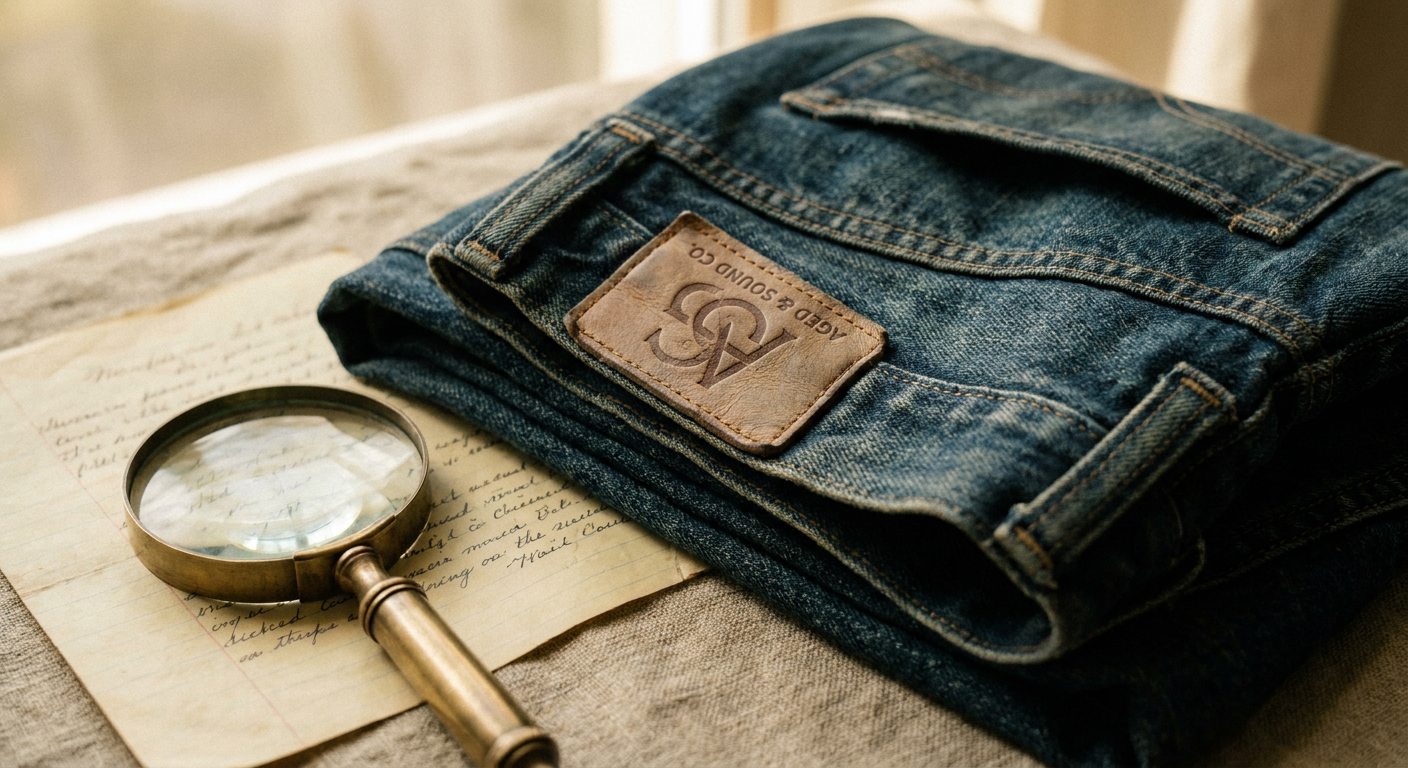
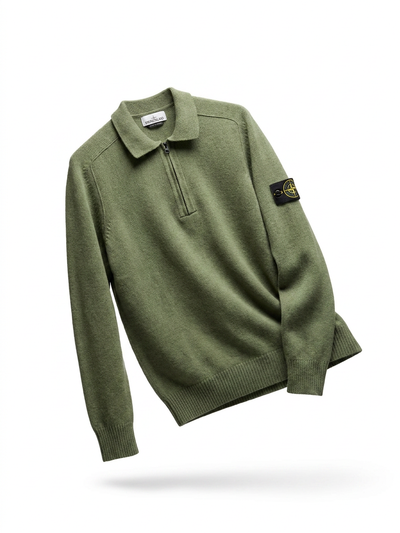
Online condition grading relies on standardised terms: "excellent," "very good," "good." These are subjective. What one seller deems minor wear, another buyer might consider significant. High-quality photography helps, but lighting can be manipulated, and specific flaws can be omitted. Communication with the seller is key, but relies on their honesty and your ability to ask the right questions. In a shop, you are the judge. You can spot the pinhole in that Stone Island smock, the spine crack on that rare LP, or the subtle fade on a pair of raw denim. There is no ambiguity. You see it, you assess it, you buy it or you leave it. You don't need to consult a grading chart or rely on someone else's definition of "light pilling."
The Hunt and Discovery
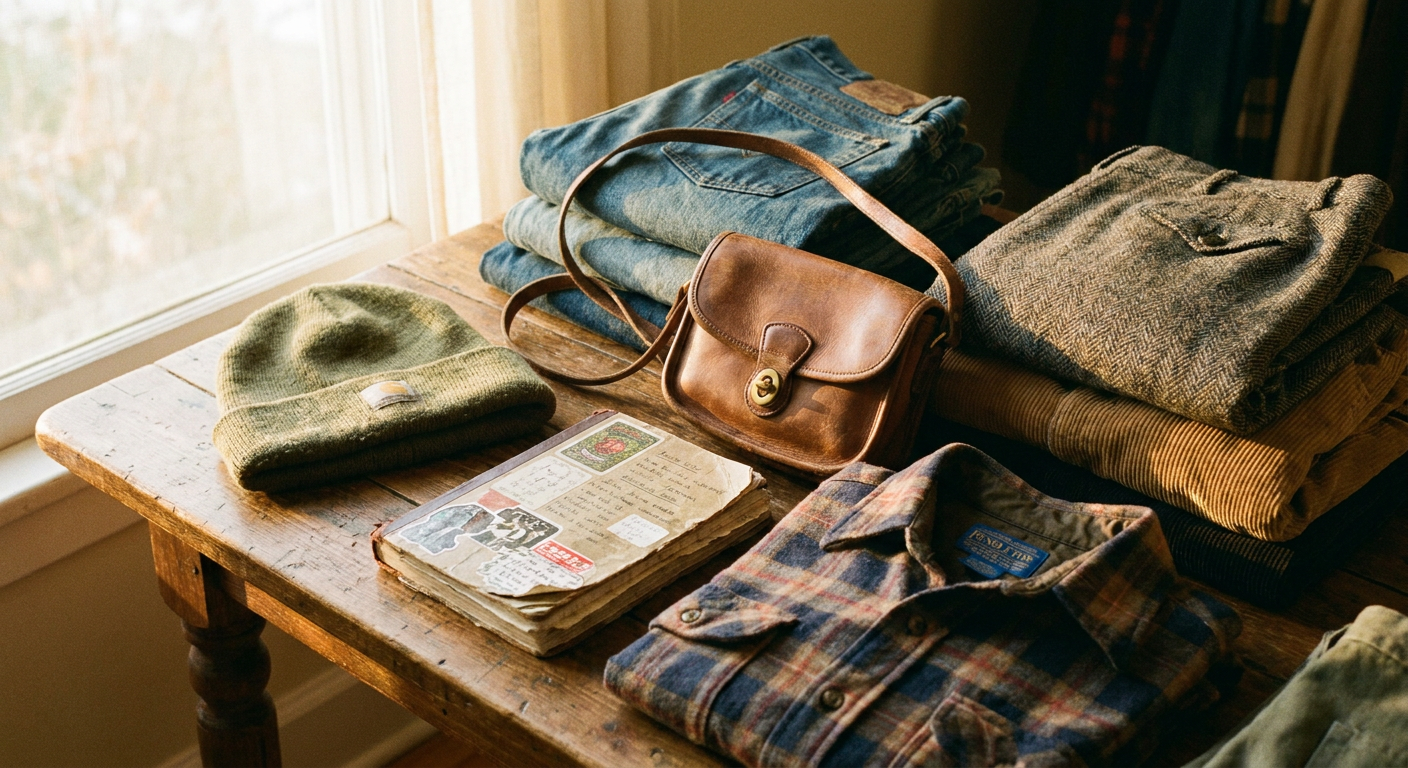
The internet offers unparalleled access. Millions of items, available 24/7. You can search for precise models, sizes, or pressings. This efficiency is a double-edged sword. While it’s easier to find specific items, it can reduce the serendipity of discovery. The algorithm often shows you what it thinks you want, not necessarily what you didn't know you needed. Physical shops, especially independent ones, are treasure troves. The thrill of leafing through racks or crates, stumbling upon a forgotten brand or an unexpected record, is part of the appeal. It is a slower process, often requiring patience. But the reward can be finding something truly unique, an item that a search engine might never have suggested. It's less about ticking a box, more about the journey getting there.
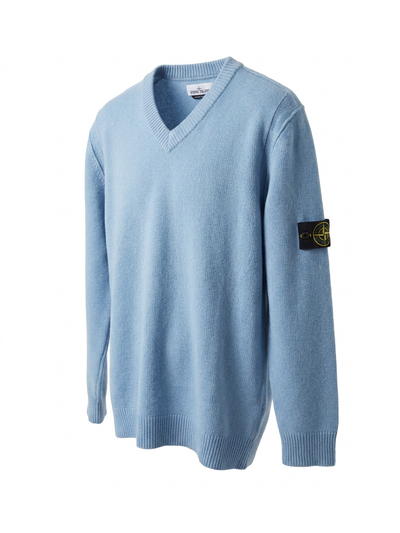
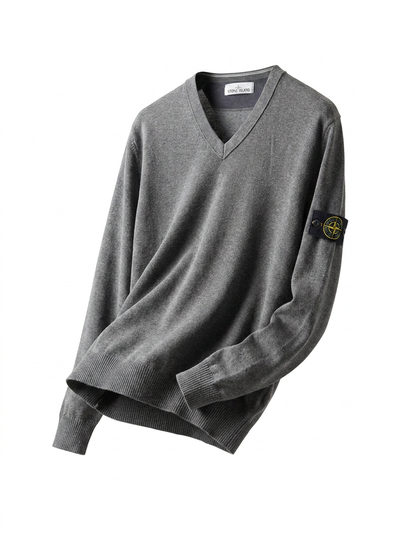
Shop from this article
Price and Negotiation
Online marketplaces often foster competitive pricing. Global access means more sellers and, theoretically, fairer prices. Haggling is less common online, typically limited to "make an offer" options which can feel impersonal. Shipping costs and import duties, where applicable, can quickly erode any perceived saving. Returns, whilst legally protected in many regions, are a hassle and often at your expense. In physical retail, prices can sometimes be higher due to overheads. However, there is often room for negotiation, especially for cash buyers or loyal customers. You can build a relationship. If you find a flaw not immediately obvious, you can directly challenge the price. There is an immediate transaction, no waiting for postage, no risk of damage in transit. What you see is what you pay. Choosing between online and in-person is not about declaring one a winner. It is about understanding the strengths of each. Online offers convenience and breadth. In person, offers certainty and experience. Both have a place in the discerning buyer's toolkit.