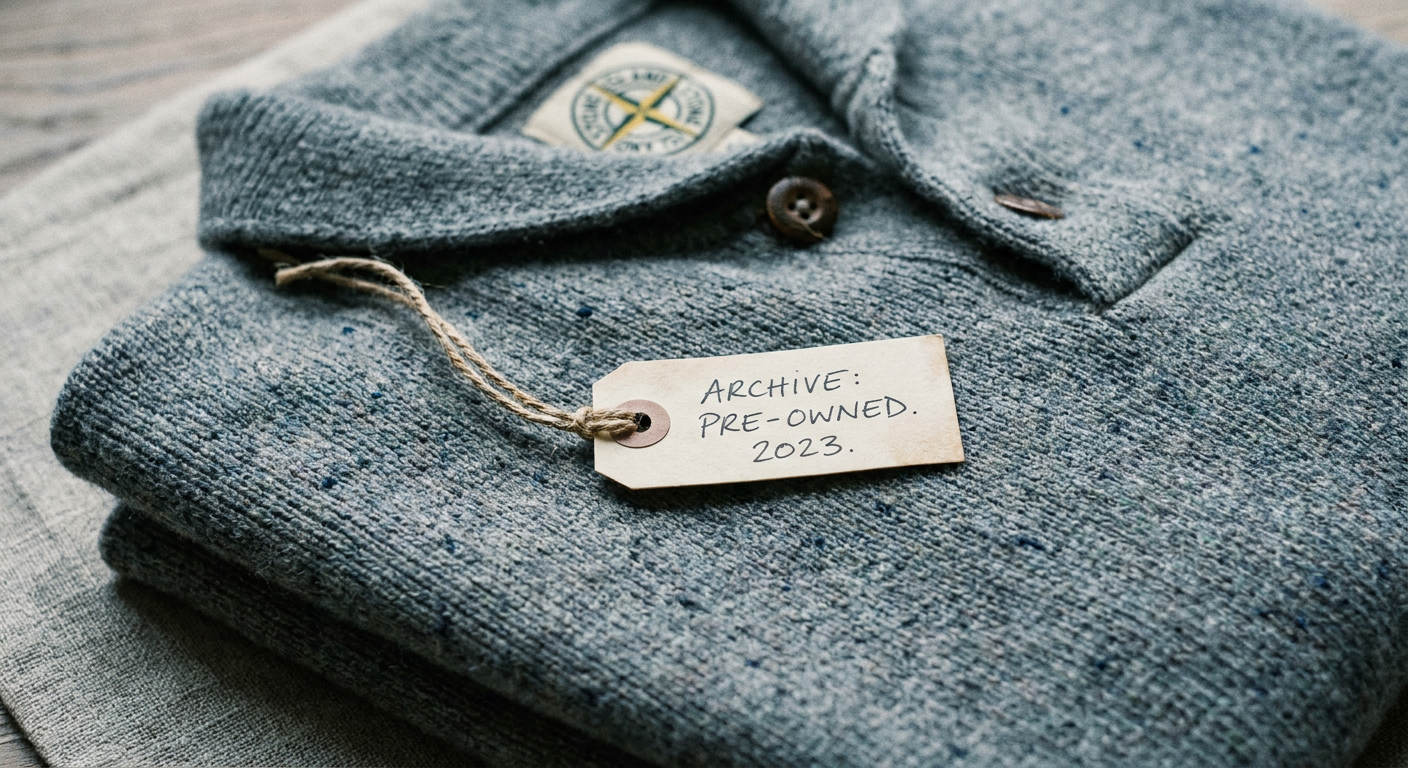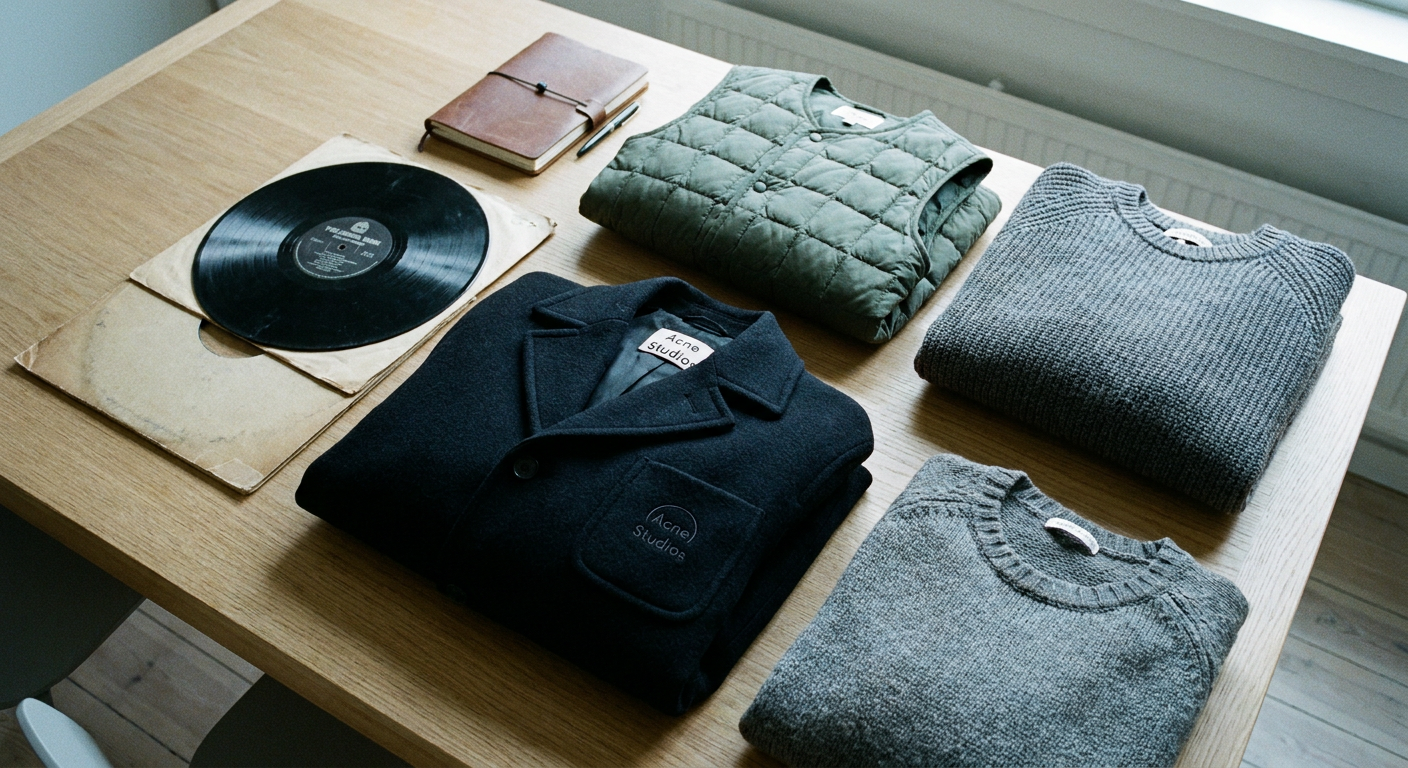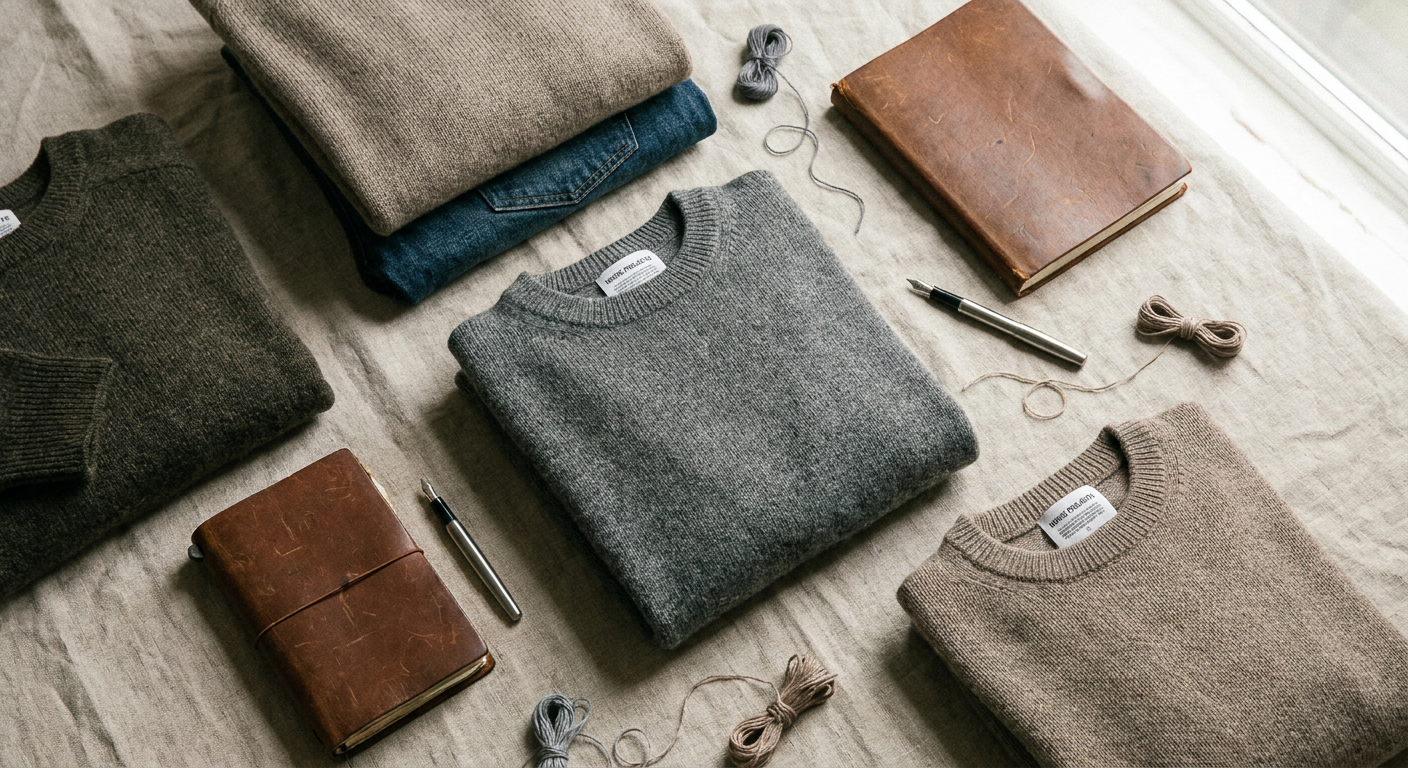
brand focus
4 minute read
How to buy pre-owned knitwear without getting it wrong
Words by Heather June Coombs
A single moth hole, if not addressed, signals a potential infestation that could ruin an entire wardrobe.
The Pilling Problem
Pilling is the bane of many knitwear owners. Those small, fuzzy balls are formed when fibres on the surface of the fabric break and tangle. You see it most often in high-friction areas: under the arms, on cuffs, or where a seatbelt rubs.
Most natural fibres will pill to some extent. Merino wool, cashmere, lambswool – they are all susceptible. It is not necessarily a sign of poor quality, but of wear. The good news is that pilling is often superficial. A good defuzzer or even a sharp razor can remove it, restoring the garment. Check how deeply embedded the pilling is. If it comes away easily, it is likely cosmetic.
Synthetic blends often pill more aggressively and less reversibly. Acrylic, in particular, tends to create stubborn, almost plastic-like pills. These are harder to remove without damaging the underlying stitches.
Snags and Tears: What to Look For
A snag is a pulled thread. Usually, it is a single loop protruding from the surface. Often, a gentle tug on the surrounding fabric can pull it back into place, or at least make it less noticeable. If the snag is long, say an inch or more, it is more problematic. It indicates a weak point in the knit. Assess if the snag has broken any other loops or created a ladder effect. If it has, it’s closer to a tear.
A tear or hole is permanent damage. Small holes can be re-knitted, but this requires skill and costs money. Unless the price reflects significant repair work, or you are confident in your own darning skills, avoid anything with actual holes. Pay particular attention to elbows, cuffs, and hemlines. These areas see the most stress.
The Moth Menace
Moth damage is insidious. It starts small and spreads. Moths are attracted to natural fibres – wools, cashmeres, silks. They do not eat synthetics, so a moth-eaten acrylic jumper is unlikely.
Early moth damage looks like tiny pinprick holes, often clustered together. You might mistake them for a weave imperfection at first. Look closely. These holes will have clean edges, a tell-tale sign the fibre has been chewed through, not just worn. Check under collars, along seams, and in areas that are folded away – moths like dark, undisturbed places.
If you find a few small holes, it is a risk. One tiny hole means there were moths present. It also means there could be larvae still in the garment, or in the place it was stored. If you are buying, factor in the cost and effort of professional cleaning and a thorough inspection.
Yarn Composition and Longevity
The label tells you everything. Or at least, it tells you what to expect.
- Merino Wool: Fine, soft, prone to pilling with wear, but can last years with care. Good warmth-to-weight ratio.
- Lambswool: Slightly coarser than merino, very durable. Pills less aggressively. A workhorse wool.
- Cashmere: Luxuriously soft, but delicate. Pills readily. Requires careful handling. Resale value holds for well-maintained pieces.
- Shetland Wool: Robust, hearty, a thicker handle. Excellent durability and warmth. Less prone to pilling. Often found in heritage brands.
- Cotton: Breathable, good for warmer weather. Can lose shape if not knitted tightly. Less insulating than wools. Will not pill like wool, but can fade or stretch.
- Synthetics (Acrylic, Polyester, Nylon): Cheap, often used as blends. Poor breathability. Can pill badly and feel scratchy. Avoid 100% synthetics for longevity unless it is for specific performance wear.
- Blends: A mix of fibres. Often, synthetics are added for strength or to reduce cost. A 70/30 wool/nylon blend can be very durable, but a 50/50 wool/acrylic blend will likely feel inferior and pill worse.
Brands That Endure
Some brands consistently produce knitwear that stands the test of time. They invest in quality yarns and robust construction.
Shop from this article
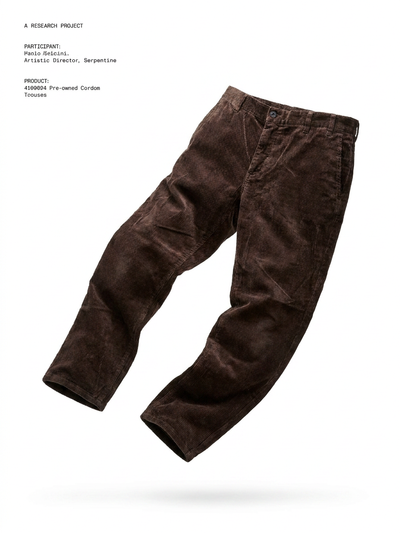
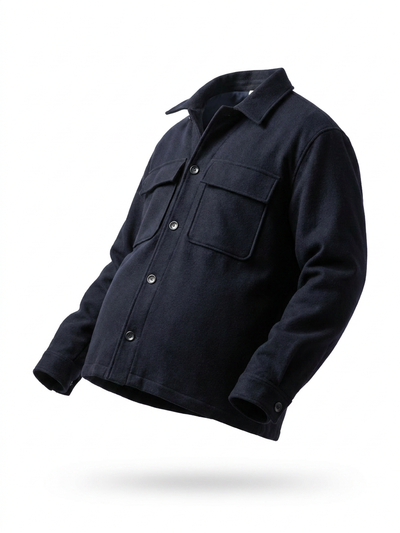
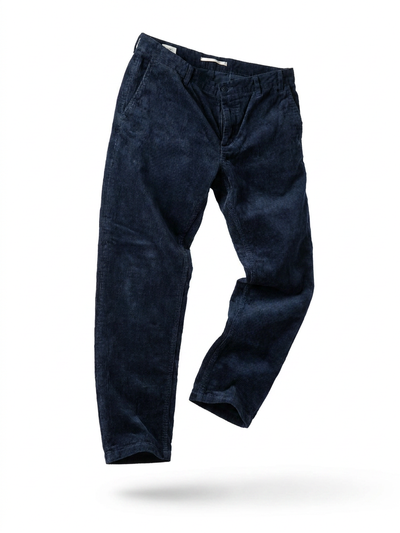
Norse Projects: Their knitwear is solid. Think lambswool and merino crewnecks built for a Scandinavian winter. They focus on dense knits and essential shapes. Pieces hold up well to washing and wear. The Danish minimalism means styles remain relevant for years, too.
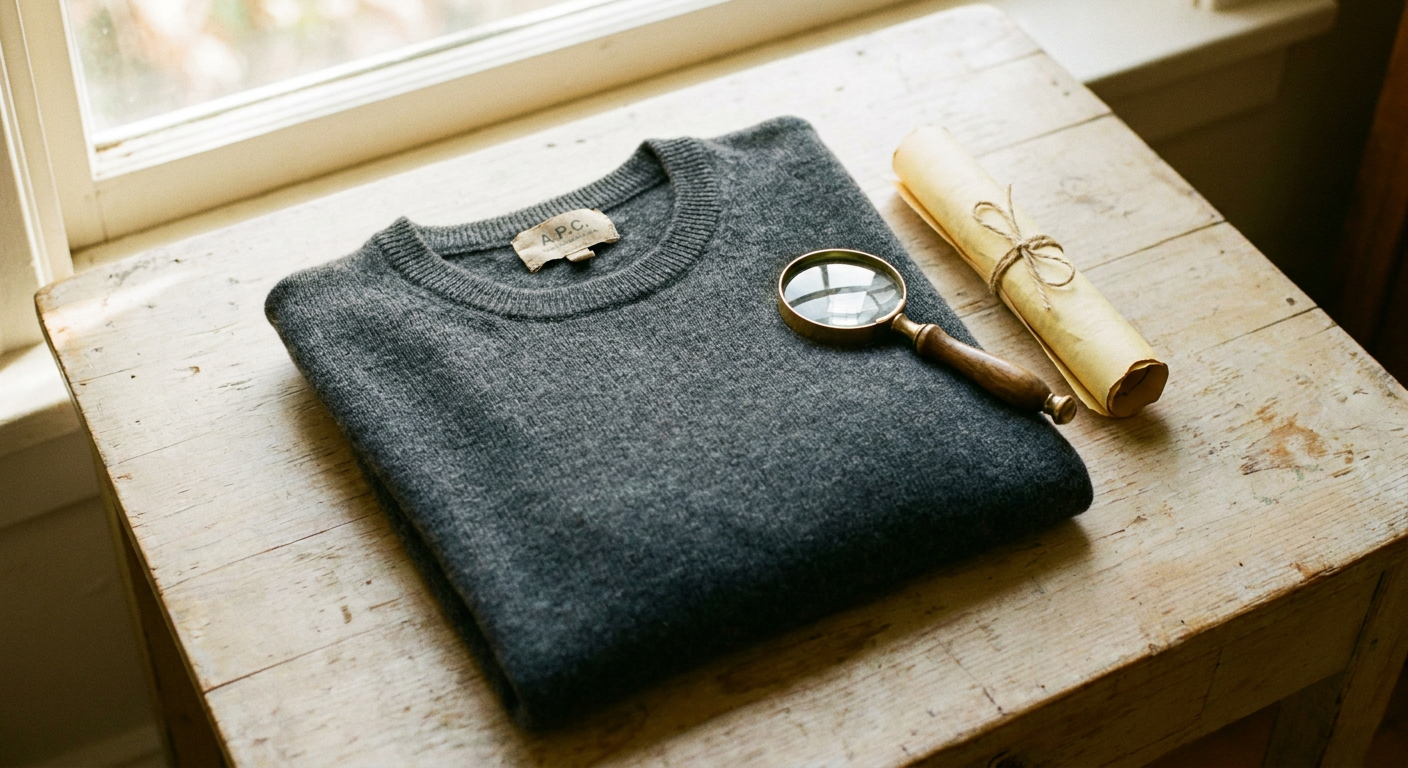
A.P.C.: Known for their clean lines, A.P.C. knitwear blends classic French style with dependable quality. Often using merino or lambswool, their jumpers are not overbuilt, but they are well-finished. Look for their core crewnecks and cardigans; they age gracefully.
Our Legacy: More experimental in style, but their knitwear is often exceptional. They use interesting yarn blends and textures, but the underlying quality is there. Expect softer handle wools, sometimes with slubs or brushed finishes. Their construction is usually high-standard, making them good finds on the pre-owned market if well-cared for.
Other reliable choices include John Smedley (Sea Island Cotton, Merino), Sunspel (cashmere, merino), and even some of the higher-end High Street brands like Arket or COS for their Pima cotton or lambswool offerings.
Condition Grading: Real-World Expectations
Ignore vague descriptions. Ask for photos. Always.
- Excellent/Like New: No visible signs of wear. No pilling, no snags, no holes, colours are vibrant. Expect to pay close to retail for these.
- Very Good: Minimal signs of wear. Perhaps very light, easily removable pilling in discrete areas. No snags or holes. Colour is strong. This is a good sweet spot for value.
- Good: Noticeable but non-detrimental signs of wear. Some pilling that might require effort to remove. A small, easily repairable snag. Faint fading. Clearly described flaws. Priced accordingly.
- Fair: Obvious wear. Significant pilling, multiple snags, possibly a small hole. Fading. Only consider if the item is rare, or you plan a full restoration, and the price reflects this.
Do not be afraid to ask for specific close-up photos of cuffs, armpits, and any areas of concern. Buying knitwear online requires diligence. If the seller cannot provide detail, there is usually a reason.
The best knitwear purchase is one you wear for years. Buying pre-owned means you can often own a significantly better garment than your budget would allow new, provided you know what to look for, and what to avoid.