style
3 minute read
How to Layer Pre-Owned Pieces Without Looking Like You Tried Too Hard
Words by Heather June Coombs
The aim is texture, subtle colour shifts, and a silhouette that still works.
The Art of the Understated Layer
Layering is a skill, not a science. Get it wrong and you look like you dressed in the dark. Get it right, and it appears effortless. The aim is texture, subtle colour shifts, and a silhouette that still works. Doing it with pre-owned items adds another dimension: the hunt for the right piece becomes part of the outfit itself. This is about building depth without looking like a walking archive.
Start with a Foundation
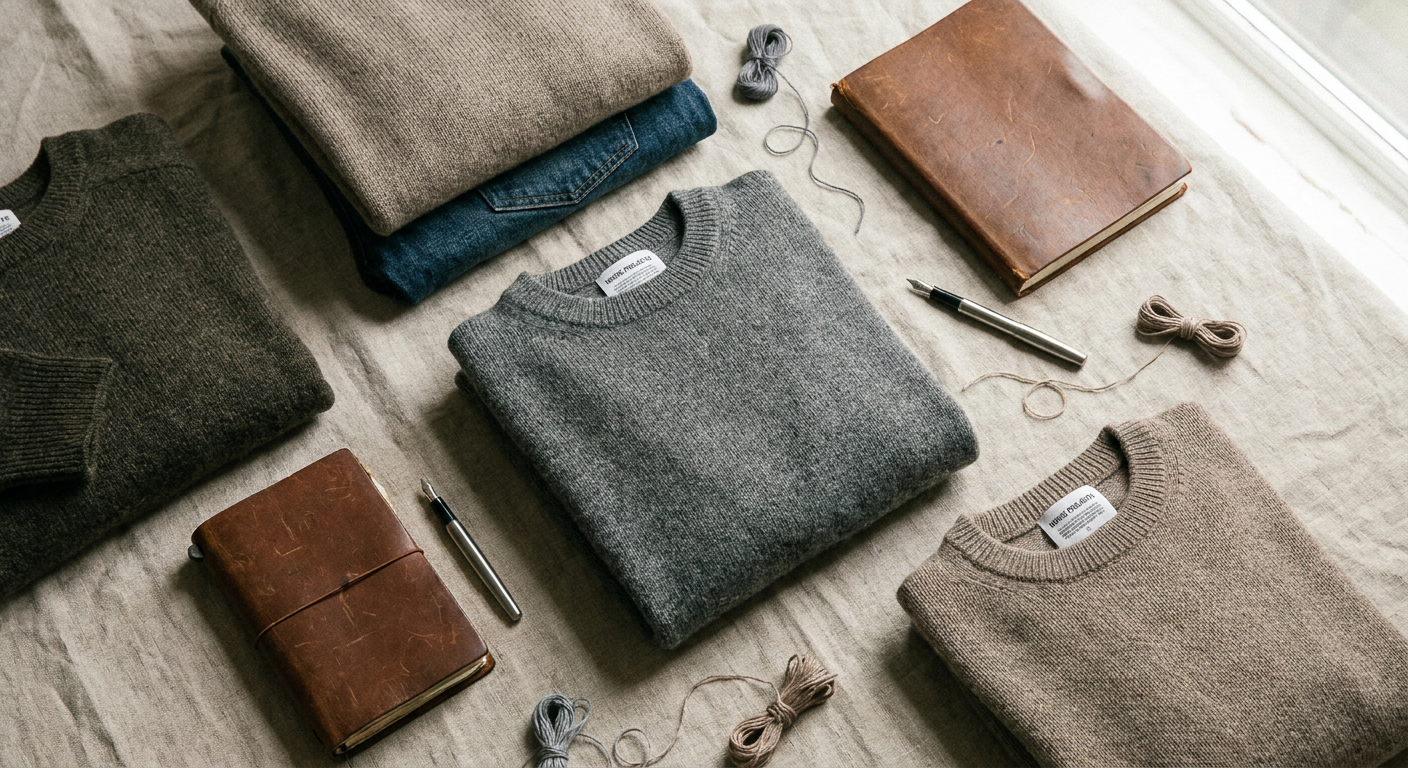
The base layer dictates everything. A good quality, plain cotton t-shirt in white, black, or grey is always a solid start. Beyond that, consider a fine-gauge merino knit or a well-worn Oxford button-down. These pieces are meant to be seen, but not dominate. Their role is to provide a clean line and comfortable weight against the skin.
Avoid anything too busy here. Bold patterns or graphics on a base layer become problematic when you add subsequent layers. Simplicity reigns. The point is to create a canvas for what comes next, not a distraction.
Introduce Mid-Layers for Texture and Interest
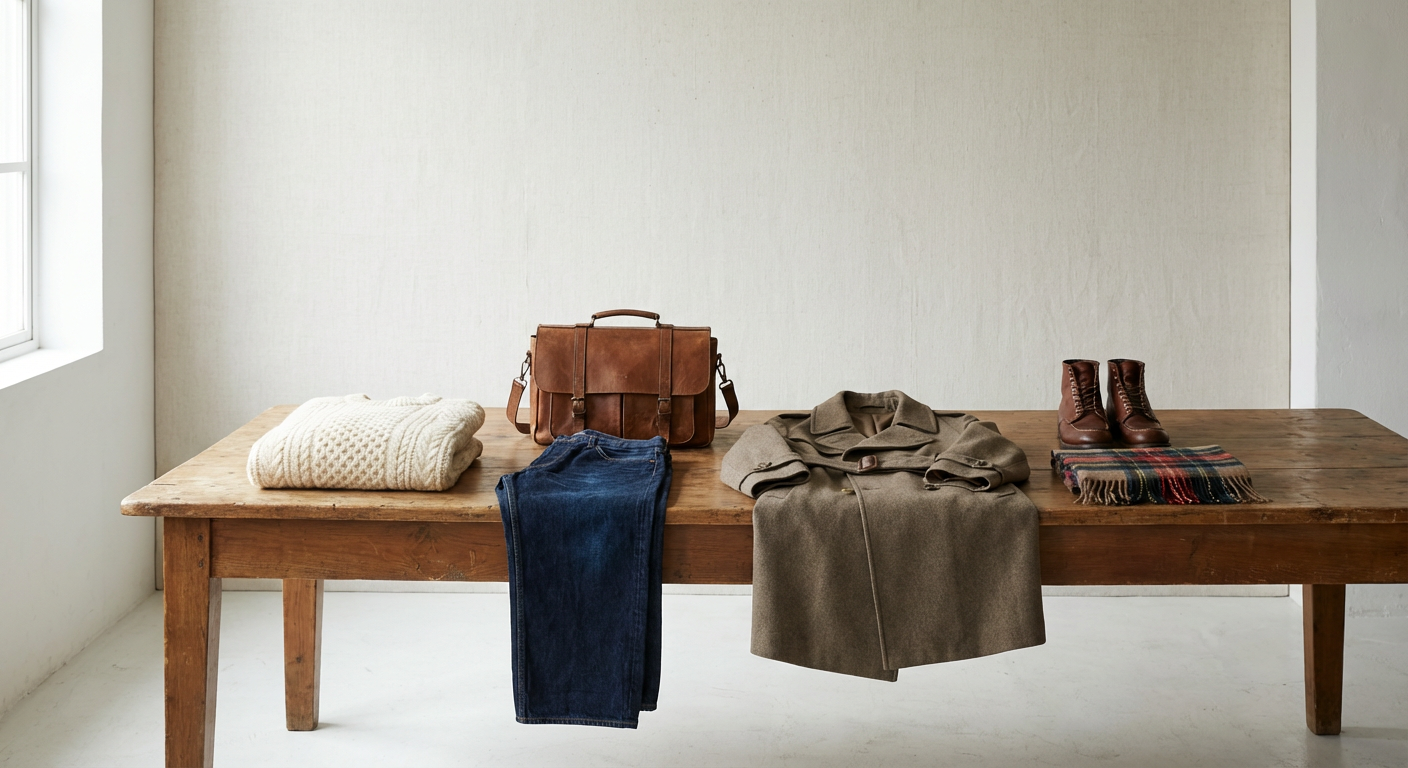
This is where pre-owned pieces truly shine. A vintage military overshirt in an interesting fabric – think heavy cotton drill or a washed-out herringbone – can be perfect. Or a chunky, cable-knit Aran sweater that’s seen a few winters. The slight fading, the softened fabric, the character that only comes with age. These are the details you can't buy new.
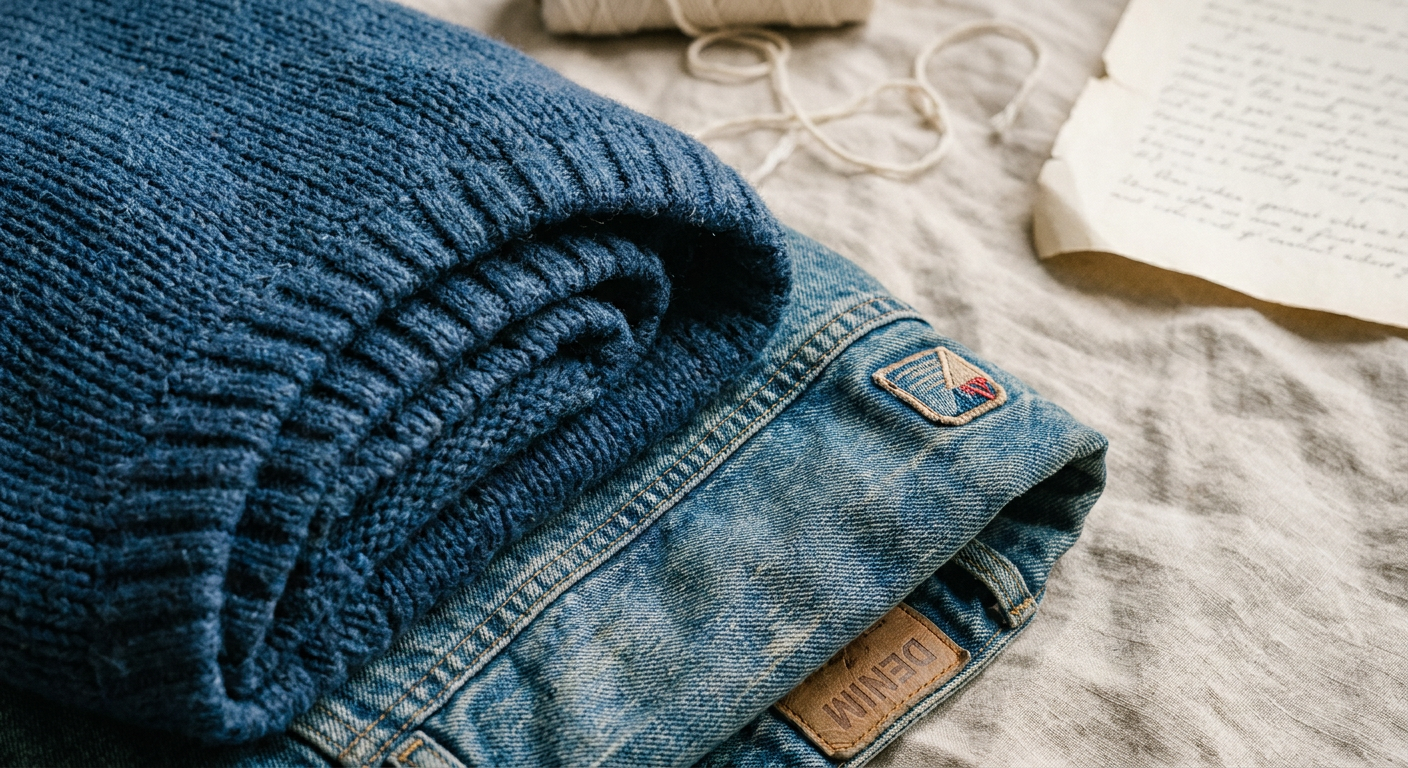
Consider a denim jacket, worn just right, under a heavier coat. Or a lightweight down gilet for warmth without bulk. The key is contrasting textures: a smooth poplin shirt under a rougher wool blend, or a crisp nylon jacket over a soft cotton hoodie. This visual interplay makes an outfit interesting without being loud.
The Outer Shell: Your Statement Piece
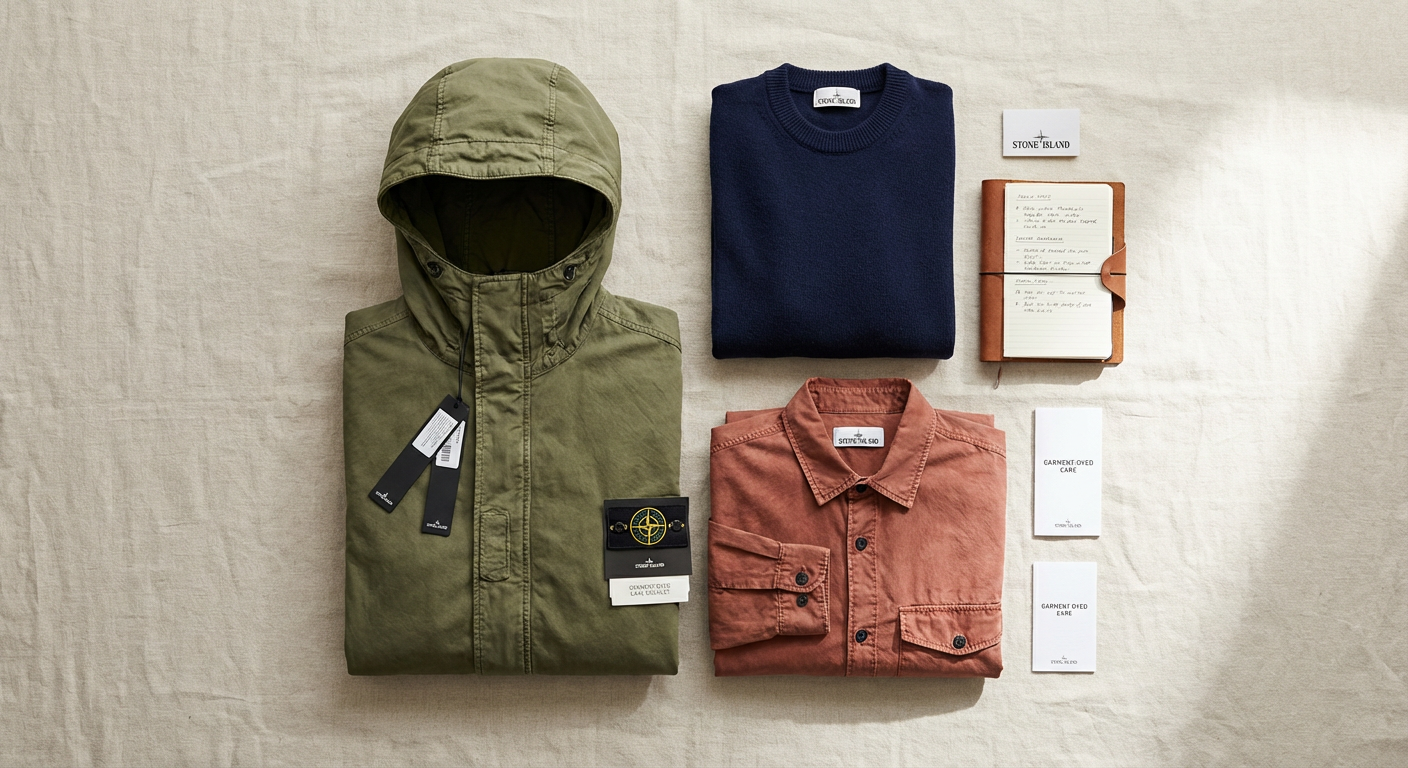
The final layer often dictates the overall feel. A classic Barbour waxed jacket, expertly re-waxed. A Stone Island Ventile smock from a specific season. A heavy wool overcoat with a slightly oversized cut. These are investment pieces, and buying them pre-owned means you're getting character and often better value than new. They need to sit well over everything else without looking strained.
Shop from this article
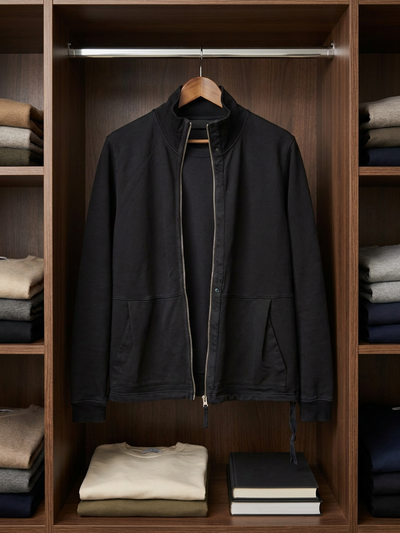
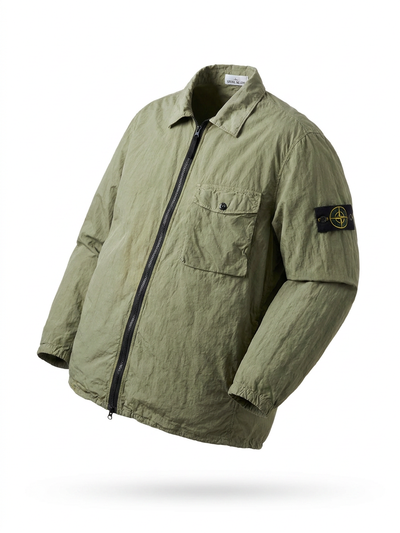
Pay attention to proportion. A boxy workwear jacket will layer differently to a tailored blazer. Understand how your outer layer falls and build inwards accordingly. An oversized peacoat might look great over a suit jacket, but less so over a puffy gilet. Think about how the different necklines interact, too. A high-neck knit under an open collar jacket works. Too many high collars can feel restrictive.
The Colour Palette: Subtlety Over Shock
This is where "not trying too hard" comes into its own. Stick to an earthy, muted palette. Olives, navies, greys, browns, and creams. These colours naturally complement each other and provide a sophisticated base for layering. A pop of colour can work, but it should be considered – a rust-coloured merino knit, for example, peeking out from under a navy overshirt, rather than a neon hoodie.
Monochromatic layers also work incredibly well: different shades of green or grey, for instance. It’s about building depth through tone rather than relying on jarring contrasts. This approach reads as intentional, not accidental. It shows you know what you are doing.
Condition and Authenticity Matters
Layering pre-owned pieces doesn’t mean throwing on anything you found. The items should be in good, wearable condition. No obvious holes or major stains unless it's part of a deliberate, distressed aesthetic. Ensure zips, buttons, and fastenings work. This is not about looking dishevelled; it’s about looking considered. Each piece should hold its own, even if only part of it is visible.
Ultimately, successful layering is about confidence. It’s knowing that each piece adds value to the overall look, whether that’s warmth, texture, or simply a splash of colour. It should feel natural, like you just threw it on, even if a degree of thought went into it. The best outfits are the ones that appear effortless.