music
3 minute read
Ninja Tune at 30: The Pressings Worth Tracking Down
Words by Heather June Coombs
The reissue is fine. The original is better. Here is why.
Ninja Tune at 30: The Pressings Worth Tracking Down
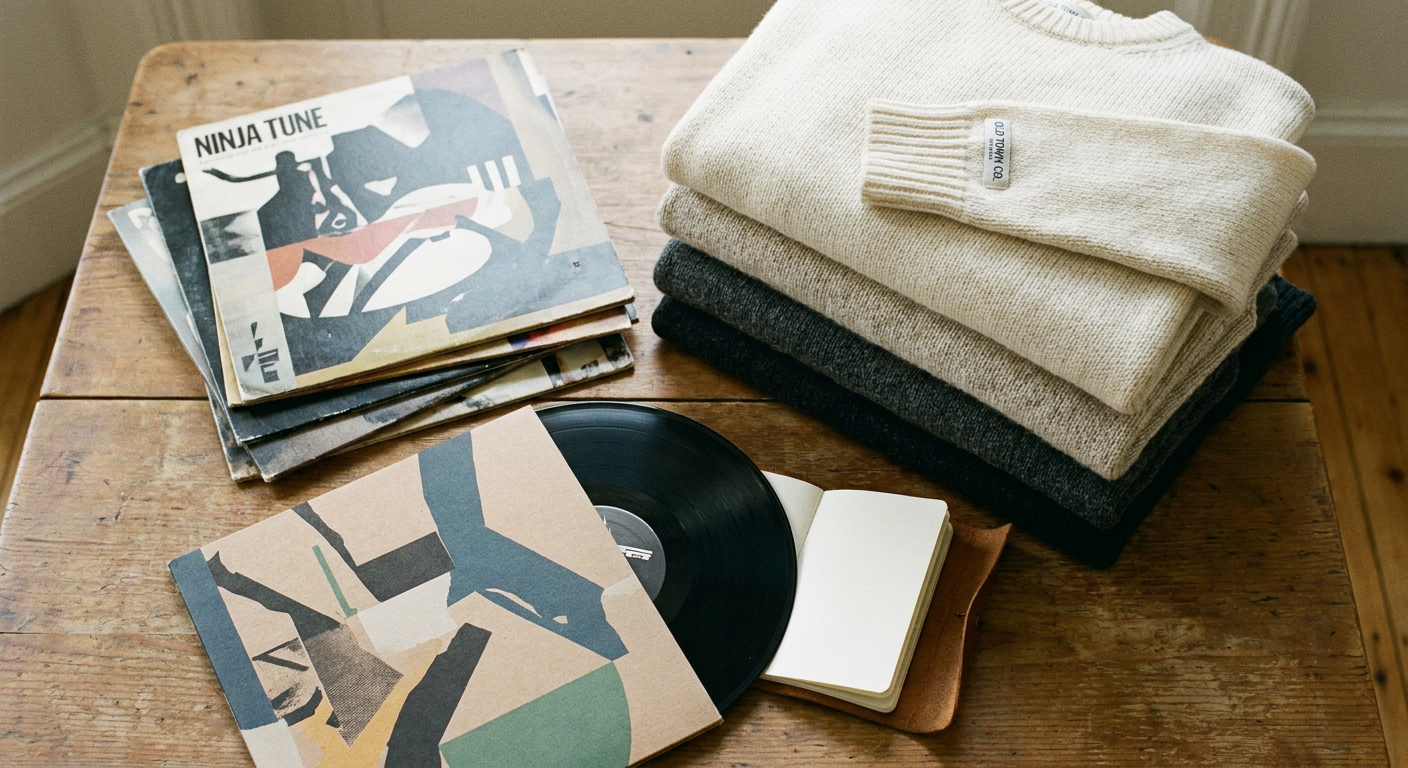
Ninja Tune hit its third decade recently. For a label built on independent spirit and an eclectic, often unquantifiable sound, that is a significant milestone. They carved out a niche in a fragmented music scene, blending hip-hop, electronica, jazz, and beyond. Not many labels can claim to have nurtured artists like Amon Tobin, Bonobo, or The Cinematic Orchestra for so long. The label's output has always been characterised by a commitment to quality. This extends to the vinyl. While a comprehensive discography would fill volumes, some pressings stand out. Not just for the music they contain, but for their historical significance, scarcity, or sheer sonic quality.
The Early Days: Solid Steel and the Foundation
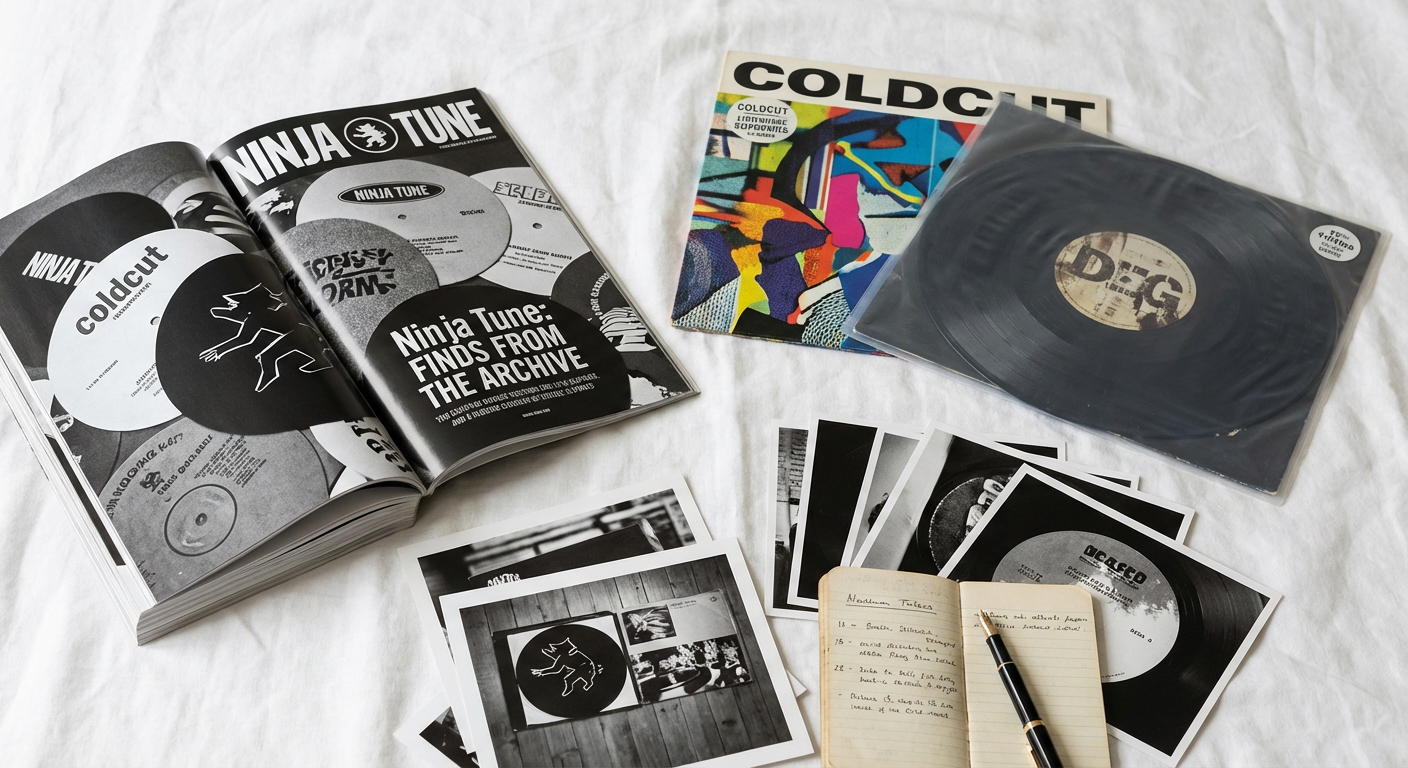
The roots of Ninja Tune are in Coldcut – Matt Black and Jonathan More. Their 'Solid Steel' radio show was the blueprint, and the label, founded in 1990, was an extension of that ethos. Early releases were often limited, test presses becoming highly sought after. One to look for is Coldcut – 'Audience With The Mind' from 1994. While not their debut, it’s a strong example of the label’s early sound, fusing samples and breaks. The original UK pressing is a double LP and sounds phenomenal. A clean copy is getting harder to find. Another essential is Funki Porcini's 'Hed Phone Sex' (1995). The original 3xLP set is a masterclass in downtempo and trip-hop, often overlooked but rich in atmosphere. It’s an example of Ninja Tune’s willingness to let artists explore.
Shop from this article

The Golden Era: Amon Tobin, Bonobo, and Cinematic Orchestra
The late 90s and early 2000s saw Ninja Tune solidify its reputation. This period produced some of their most iconic and collectible records. Amon Tobin, in particular, pushed the boundaries of electronic music. Amon Tobin – 'Bricolage' (1997) is a must-own. This is where Tobin truly found his voice, a dense, intricate soundscape built from samples. The original pressing is thick, dynamic, and captures the complexity of the production. Later reissues are decent, but that first press has a depth the others struggle to match. His follow-up, 'Permutation' (1998), is equally revered. Bonobo's early work on Ninja Tune also warrants attention. 'Dial 'M' for Monkey' (2002) was a breakthrough, blending organic instrumentation with electronic elements. The original double vinyl is pressed well, with a warmth that suits the music. Then there is The Cinematic Orchestra. Their 'Man with a Movie Camera' (2003) is a modern classic. The soundtrack to Dziga Vertov's silent film, it's a sprawling, beautiful work. The original European pressing is a gatefold double LP and sounds expansive, just as it should. Skip the recent coloured vinyl reissues for sound quality.
Hidden Gems and Later Classics
Ninja Tune did not rest on its laurels. As the label matured, its roster diversified, always maintaining that commitment to quality. Some later releases arrived with less fanfare but are crucial to the label's story. Look for a first press of Mr. Scruff – 'Keep It Solid Steel' (1999). It’s a mix album, but the vinyl version features unmixed tracks, many exclusive. A true DJ tool from one of Ninja Tune’s most enduring artists. Finding a clean copy that hasn’t been thrashed by a DJ is the challenge here. Another one is Roots Manuva – 'Run Come Save Me' (2001). While not exclusively an electronic release, it brought a powerful, unique voice to the label. The original pressing is a double LP and captures the raw energy of Rodney Smith's delivery. More recently, revisit Floating Points – 'Elaenia' (2015). A departure for the label in some ways, but a stunning fusion of jazz, classical, and electronic music. The original XL pressing, while not exclusively Ninja Tune, felt right at home in its sonic universe. The recent Ninja Tune repress sounds excellent, but the original often comes with slightly better artwork finishes. Thirty years of Ninja Tune means a vast catalogue. Many pressings are solid, but others genuinely elevate the listening experience. Digging through them reveals the story of a label that consistently championed artists and sound quality for decades.