outerwear
4 minute read
Outerwear condition guide — what to accept and what to walk away from
Words by Heather June Coombs
The Realities of Pre-Owned Outerwear
Buying pre-owned outerwear offers access to high-quality pieces at better prices. But it demands a different kind of inspection. Unlike a new jacket, wear is expected. Understanding what constitutes acceptable wear, and what signals a jacket is past its functional best, is key. This isn't about avoiding signs of use, but about recognising damage.
Seam Tape and Delamination
The internal seam tape is critical for waterproofing on technical shells. This is often the first thing to fail. Peeling, bubbling, or completely detached tape means the jacket is no longer waterproof at those seams.
Light fraying at the very edge of the tape might be acceptable if the main adhesive is still firm. Larger sections, however, indicate a problem. This is a common issue with older jackets, particularly those made with early Gore-Tex laminates or budget alternatives. It’s expensive, if not impossible, to professionally repair. Walk away if seam tape is extensively compromised.
Norse Projects, for example, often use high-quality seam sealing. Check the internal seams on their Gore-Tex offerings particularly rigorously around the hood and shoulders. A small delamination there can quickly spread.
Zips: The Make or Break Feature
A faulty zip can render an otherwise perfect jacket useless. YKK Vislon zips are robust. Riri zips, found on more premium pieces, are also generally reliable. Look for smooth operation, no missing teeth, and that the puller engages cleanly. Catching or stiffness can often be fixed with a quick lubrication, but if teeth are misaligned or the slider doesn't close properly, it's a replacement job.
Zips on Stone Island jackets, especially older Lampo or YKK zips, should be scrutinised. They are often sturdy, but heavy use can still take its toll. Ensure the bottom box and pin assembly of two-way zips are intact; these are common failure points and complex to mend. For brands like Rains, which often use water-resistant plastic zips, ensure none of the plastic teeth are bent or melted, which can happen with improper washing or drying.
An occasional snag is fine. A zip that refuses to close, or separates after closing, is not.
Cuffs, Hems, and High-Wear Areas
These areas take the most abuse. Scuffs, minor discolouration, and slight pilling on internal cuffs are standard. What to watch for: worn-through fabric, significant abrasion that compromises the material's integrity, or stretched elastic that no longer provides a seal.
Shop from this article
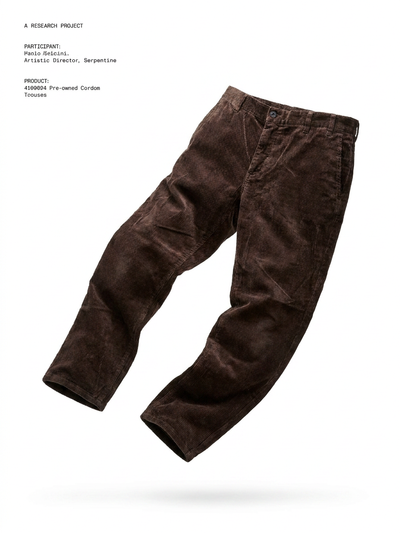
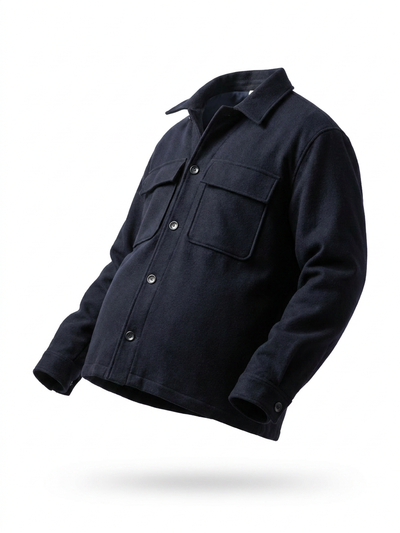
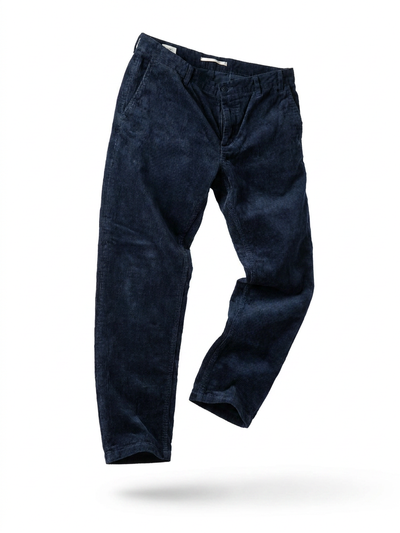
Drawcords at the hem should be functional, with toggles that still grip. If the drawcord tunnel itself is torn or heavily abraded, compromise to the weatherproofing is likely.
Stone Island sleeves and cuffs, especially on Soft Shell-R or other technically treated fabrics, can show wear at the edges. Minor fading or slight bobbling is common. Deep abrasions that expose the membrane or inner layers are not.
DWR can be reapplied; a shredded membrane cannot.
DWR: What Can Be Restored?
The Durable Water Repellent (DWR) finish is the first line of defence against rain. It causes water to bead up and run off. Over time, this wears away, leading to "wetting out" – where the fabric absorbs water instead of shedding it. This doesn't mean the jacket leaks, but it can make it feel cold and clammy.
DWR can be restored. Specialist wash-in or spray-on treatments from brands like Nikwax or Grangers effectively reapply the finish. So, a jacket that "wets out" is not a write-off. The crucial distinction is between failed DWR and a failed waterproof membrane. If the internal membrane (e.g., Gore-Tex, Pertex Shield, HydraVent) is compromised – through tears, punctures, or delamination from the face fabric – then the jacket's waterproof capabilities are permanently impaired. DWR can be reapplied; a shredded membrane cannot.
With Rains jackets, which rely on a PU coating for waterproofing, look for cracks or peeling of the external coating. This is a sign of irreversible material degradation, not just DWR wear.
Stains and Odour: Beyond the Surface
Surface dirt or minor marks are typically not an issue; most pre-owned items benefit from a proper wash according to care instructions. Deeper, set-in stains, particularly oil-based ones, might be permanent. Odour is more problematic. A pervasive musty smell, especially one that persists after airing, can indicate mould or mildew infiltration beneath the fabric layers, or within insulation. This can be difficult to remove and indicates poor storage. Don't risk it.
Consider the original function. A technical climbing shell with widespread heavy staining might look good, but its performance could be compromised if the fabric has been unduly stressed by whatever caused the stain.
When to Walk Away
Key indicators that an item is beyond practical use include extensive seam tape failure, irreparable zip damage, significant cuts or abrasions that expose the membrane, widespread cracking or peeling of waterproof coatings (common on older polyurethane-coated items), and persistent, deep-seated odours. Aesthetic considerations are personal, but functional integrity is paramount for outerwear. Don't compromise on that.