buying guides
4 minute read
Pre-Owned Accessories: What Condition Grading Looks Like for Bags and Belts
Words by Heather June Coombs
A faint mark is a story, a structural flaw is a problem.
Buying pre-owned bags and belts is a smart move. You get better quality for your money and often access to pieces no longer made. But condition is everything. Unlike a new item, a pre-owned accessory carries a history, and understanding how that history translates into a condition grade is crucial. It dictates price, wearability, and whether you're getting a bargain or a project.
Most marketplaces use a descriptive scale, usually mirroring "Excellent," "Very Good," "Good," and "Fair." These aren't arbitrary. Each grade has specific parameters, particularly for areas prone to wear. Knowing these helps set expectations and makes for a more confident purchase.
Excellent Condition: Near Flawless
An accessory graded "Excellent" should appear almost new. Think of it as an item that's seen minimal use, perhaps a handful of times. For bags, this means no visible scratches or scuffs to the exterior leather or fabric. Corners should be pristine, without any rubbing or discolouration. Hardware—zips, buckles, clasps—should be fully functional and show no tarnishing or plating loss.
The interior should be clean, free from stains, odours, or pen marks. Original dust bags or boxes are often present, adding to the "like new" feel. For belts, an excellent rating means no creasing or cracking of the leather. The buckle mechanism is tight, and the holes show no stretching or significant wear around the pins. An item graded excellent often comes with a premium. It’s for those who want as close to new as possible without the new price tag.
Very Good Condition: Minor Imperfections
"Very Good" is where most quality pre-owned items sit. These accessories have been used, but carefully. A bag in very good condition might show very light surface scratches on the leather, often only visible in certain lights. Corners might have the slightest hint of rubbing, but no exposed piping or significant colour loss. Hardware could have minuscule hairline scratches, but no major tarnishing or pitting.
The lining should be mostly clean, possibly with a faint mark or two that doesn't detract from the overall appearance. For belts, expect slight creasing where the buckle sits or around a frequently used hole. The edges might show minimal fraying or wear. These imperfections are cosmetic, not structural. They acknowledge the item's past without compromising its usability or aesthetic appeal. This is often the sweet spot for value.
Good Condition: Noticeable Wear
An accessory in "Good" condition shows definite signs of use. It's a workhorse piece, not a display item. For bags, this can mean more noticeable scratching or scuffing on the exterior, potentially some softening of the structure, or minor creasing. Corners might have visible rubbing, perhaps some minor scuffs to the leather, but still no major tears or holes.
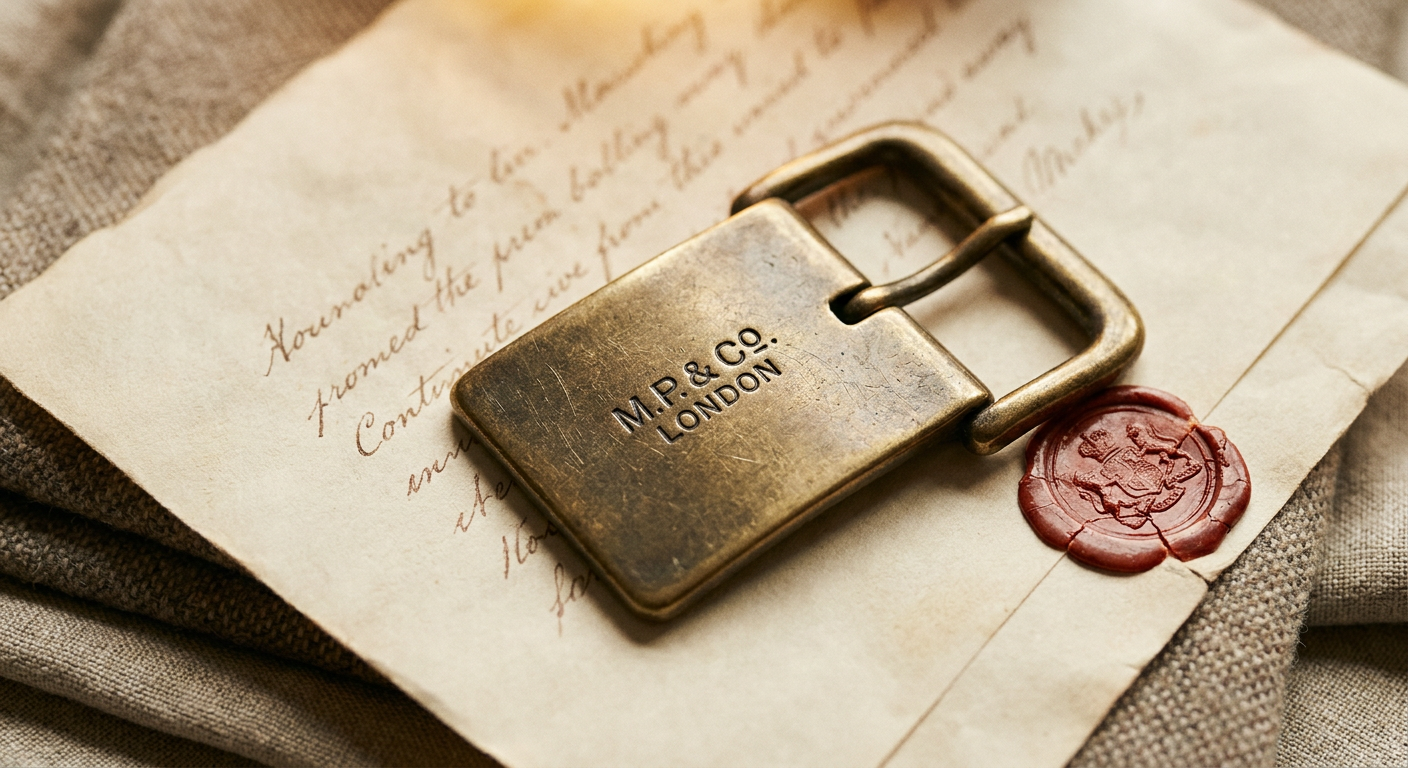
Hardware may show more obvious tarnishing, plating loss, or deeper scratches. The interior might have several marks, minor pen stains, or a slight odour. For belts, significant creasing, some fading of the leather colour, or minor cracking could be present. Buckle hardware might be scratched or dulled. All stitching should still be intact. A "good" item is fully functional, but its wear is clearly visible. This grade offers a lower price point and is suitable for those who prioritise function and a well-loved aesthetic over pristine appearance.
Fair Condition: Significant Wear, Structural Soundness
"Fair" condition means the item has lived a full life. It will have significant, visible wear, but it should still be structurally intact and usable. For bags, expect widespread scuffing, discolouration, or softening of the material. Corners might be significantly rubbed, possibly with exposed piping or small areas of loss.
Hardware could be heavily tarnished, corroded, or show definite loss of plating. The interior will likely have multiple stains, discolouration, or signs of heavy use. Belts in this category will show extensive creasing, cracking, or even some separation of plies. Buckles might be loose or heavily scratched. Issues like a missing zip pull or a slightly worn strap adjustment are common. Buying fair condition typically means you’re either looking for a project, a spare, or happy with a heavily patinated item at a very low price.
Condition grading isn’t just descriptive; it’s a commitment. Understand these scales, examine the provided photos, and read descriptions carefully. The best pre-owned purchases are informed ones, particularly when investing in sought-after accessories.
Things That Affect Value and Condition Equally
No matter the grade, some factors influence condition and value. Odour is subjective but can drastically reduce an item's appeal; smoke or strong perfume are hard to remove. Authenticity is paramount; a perfect fake is still a fake. Repairs, if professionally done, can add to an item's longevity but should always be disclosed. If amateur, they detract instantly. Lastly, original packaging, whilst not intrinsic to the item's "condition," always adds value within any grading band.
Buying pre-loved is about finding pieces with character but ensuring that character aligns with your expectations. Knowing the terms is half the battle.