outerwear
3 minute read
Pre-Owned Leather Jackets: Condition Checks That Actually Matter
Words by Heather June Coombs
A small rip on lambskin is a bigger problem than on horsehide.
Buying a pre-owned leather jacket means looking beyond the aesthetic. Flaws that are easily fixed on a denim jacket can be terminal on leather. Condition is paramount, but not all wear is equal. Knowing what to spot, and what to ignore, saves money and avoids disappointment.
Leather Type Dictates Wear
The type of leather fundamentally changes how it ages. A thick, grain leather biker jacket will show different wear to a soft lambskin bomber. Horsehide, often found on vintage cafe racers, is rugged. It develops deep creases and a rich sheen. Minor scuffs are part of its character.
Lambskin or goatskin, common in more refined styles, is softer and more pliable. It drapes better. But it's also more prone to tears and abrasions. A small rip here is a bigger problem than on a horsehide. Look closely at cuffs and pocket edges.
Suede and nubuck introduce another set of issues. They mark easily. Water damage can be permanent. Fading is common. These require specific care and can be harder to restore to a uniform finish. Ensure the seller provides clear photos in good light.
Seams and Stitching: The Structural Integrity
Lift the jacket. Inspect every seam. Loose threads are an easy fix, but pulled stitches or stretched seams are not. A seam that’s begun to separate indicates significant stress. This is particularly crucial around the shoulders, armpits, and zipper placket.
Check the lining. If the lining is completely shredded, it’s a costly repair. A small tear is manageable, but extensive damage suggests a jacket that has seen hard use. Good lining points to a well-cared-for garment. Pay close attention to pockets; torn pockets are common and frustrating.
Stress points, like the base of a pocket flap or the start of a zipper, often show the first signs of structural fatigue. If these areas are compromised, the jacket's lifespan is limited, regardless of the leather condition.
Hardware: Zips, Snaps, and Buttons
Hardware failure is a significant issue. A non-functional main zipper can be more expensive to replace than the jacket is worth. YKK, Lampo, Riri, and Talon are good indicators of quality. Test every zip. Run it up and down a few times. Does it catch? Does it feel stiff?
Shop from this article
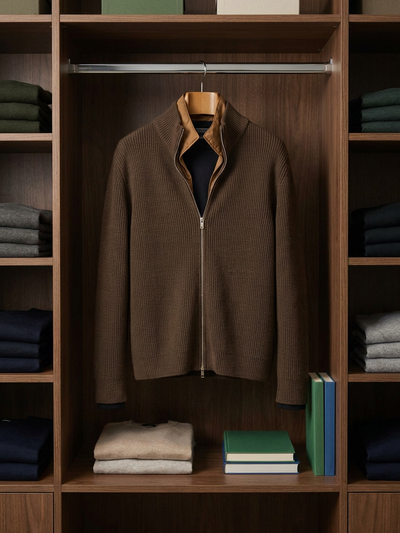
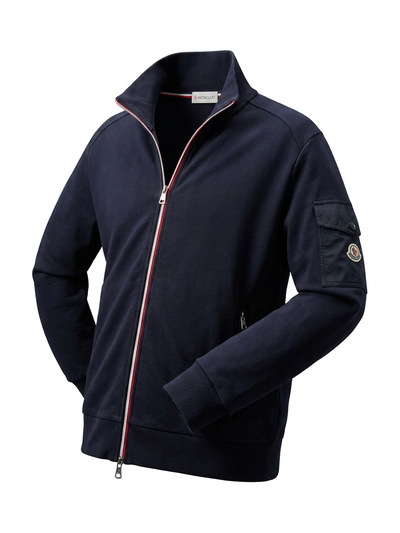
Snaps should close firmly and release with a satisfying click. Loose snaps will eventually fall off. Buttons should be secure. For vintage pieces, original hardware adds value. Replacements detract from it, especially if they’re cheap generic versions.
Corrosion on metal hardware, particularly around cuffs and waist adjusters, affects functionality and appearance. Rust can stain the leather irreversibly. Check under the front flap of older jackets; hidden snaps often corrode first.
Drying, Cracking, and Irreversible Damage
Leather is skin. It needs moisture. Dry leather is brittle leather. Flex the material, especially around the elbows, inner arms, and shoulders. If it resists and feels stiff, or if tiny hairline cracks appear, it's dried out. This is a tough fix.
Deep cracking or flaking is irreversible. This isn’t character; it’s degradation. This happens when the original finish has failed, or the leather was never conditioned. Avoid jackets with this issue, no matter the price. It will only worsen.
Water stains on leather can be problematic. Light spotting is often repairable with specialist removers. However, hard water lines or extensive discolouration may be permanent. This is particularly true for untreated or matte finishes.
The Smell Test
The smell of a leather jacket tells a story. A faint, natural leather aroma is fine. A strong, unpleasant odour—mould, smoke, or excessive perfume—is a warning. These smells are notoriously difficult to remove from leather fibres.
Mould indicates poor storage and can lead to leather rot, visible as powdery residue or stiffness. Smoke odour from cigarettes or fires penetrates deeply. Cleaning efforts can be expensive and may not fully eliminate the smell. If it smells bad, leave it.
Patina is desirable. Damage is not. Understand the difference. A well-worn jacket with minor scuffs and a faded patch can be excellent. A dried-out, structurally compromised jacket is a waste of money. Buy on condition, not just brand.