brand focus
3 minute read
Size Consistency Across Decades: What Vintage Sizing Actually Means
Words by Heather June Coombs
The label is a suggestion, not a promise. Treat it as historical data, nothing more.
The Myth of Consistent Sizing
You cannot trust the label. That is the first rule of vintage clothing, and it is a rule written in decades of tailoring, cultural shifts, and manufacturing inconsistencies. A medium from the 1970s is not a medium from 2005, and neither is a medium today. The sooner you accept this, the easier your life at the pre-owned rail becomes.
Sizing never guaranteed an exact fit, even when the garment was new. But across multiple decades, the disparity becomes a significant barrier to buying well. Understanding why this happens saves you time and returns.
The Shift: Vanity Sizing Takes Hold
The primary culprit is "vanity sizing." This is the practice of labelling garments with sizes smaller than their actual measurements to flatter the customer. It began subtly, gaining traction in the 1980s and accelerating through the 1990s and 2000s, particularly in women's wear, but men's clothing followed suit.
A size 32-inch waist today might have been a 34 or even a 36-inch waist forty years ago. Brands realised people were more likely to buy if they could fit into a smaller size. Marketing psychology trumped measurement standardisation. This means a true vintage large could be closer to a modern day medium, or even a small.
Measuring garments, not bodies, is the only reliable approach.
Manufacturing Variances and National Standards
Before globalised supply chains, sizing was often based on national standards or even specific factory patterns. A jacket made for the UK market in 1985 might have totally different dimensions to one made for the US market in the same year, even from the same brand. There was less pressure to standardise across regions.
The cut of a garment also matters. A vintage workwear jacket, designed for layering and movement, will often have a boxier, more generous cut than a similar garment from a modern, slimmer-fit brand. This is not a sizing error; it is a design choice that impacts how the stated size translates to an actual fit.
Fabric, Stretch, and Wear
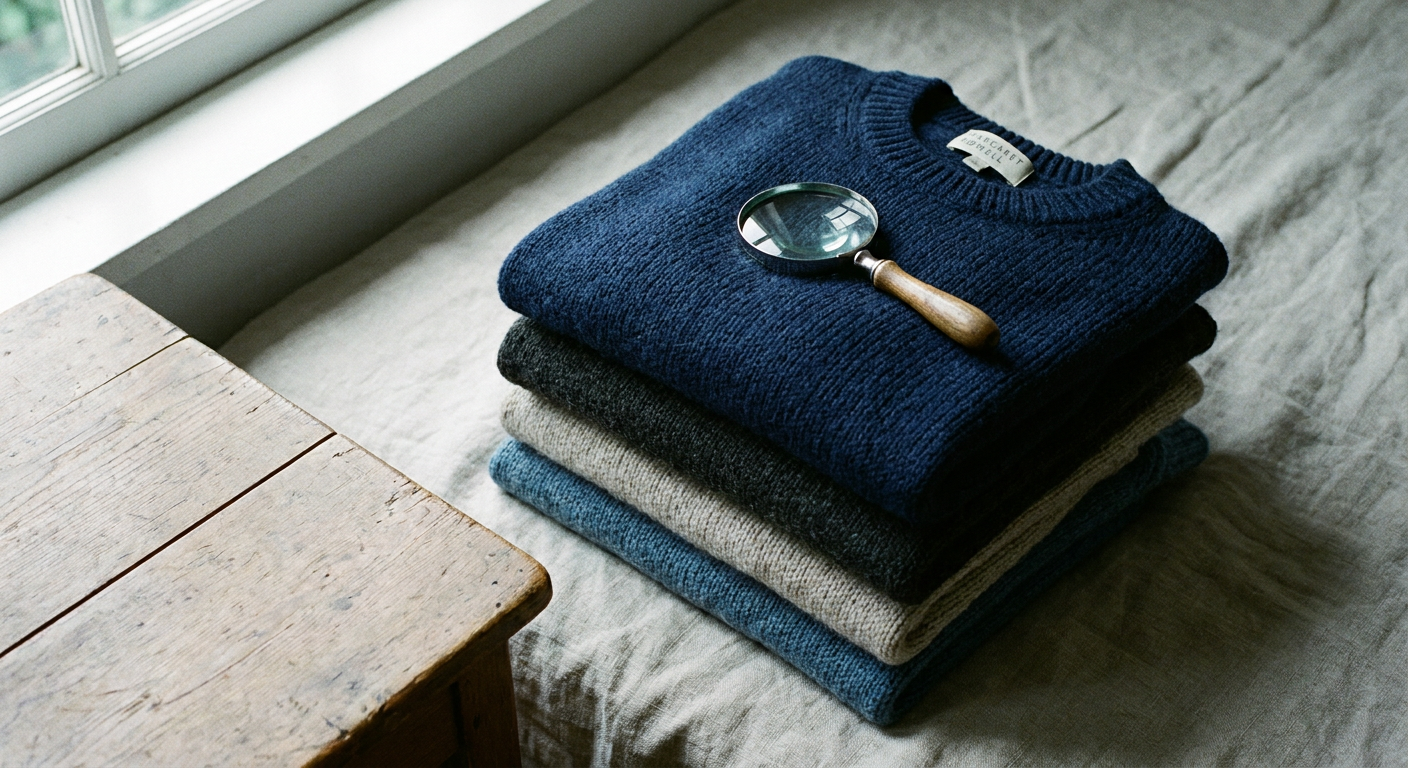
The materials themselves play a role. Natural fibres like cotton and wool can shrink or stretch over time, especially with different washing and drying methods. A wool jumper might have been a perfect large, but after years of improper care, it could now be a tight medium.
Shop from this article
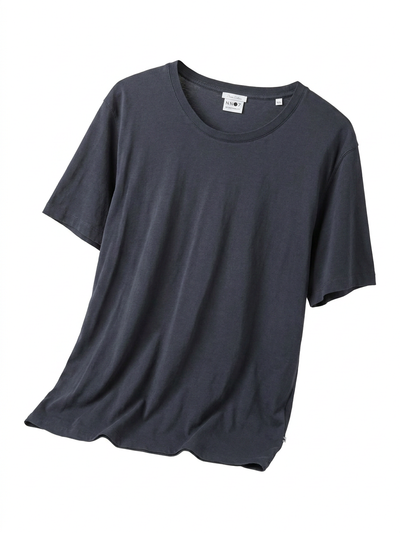
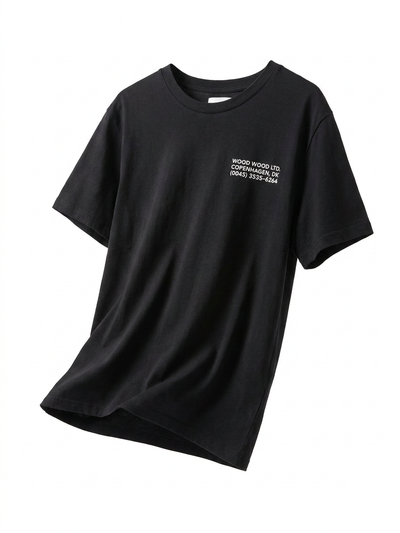
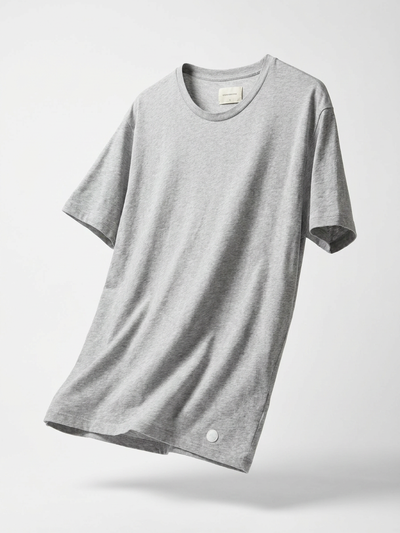
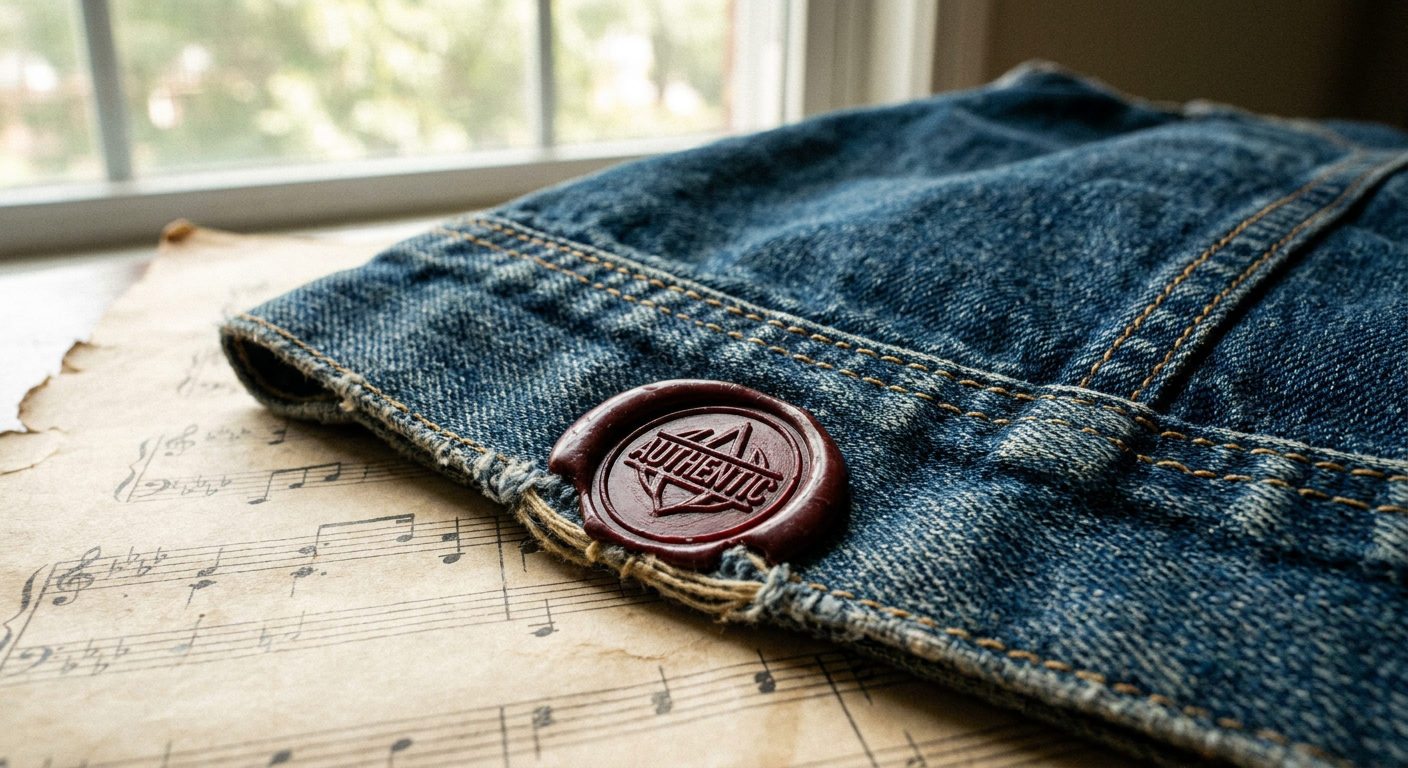
Denim is notorious for this. Raw denim shrinks significantly on its first wash, then stretches out with wear. The stated size on a pair of vintage jeans might refer to its pre-wash, post-wash, or "worn-in" state. Unless you know the history, it is a guess. Assume some give or take, and always check specific measurements.
The Patina Approach: Measurements Are Key
At Patina, we do not rely on the label alone. Standardised measurements are provided for every garment: chest, length, shoulder, and sleeve. These are the numbers you should be comparing against your own well-fitting clothes, not the "size L" printed fifty years ago.
Take your favourite jacket, lay it flat, and measure it. Get your numbers. Keep them handy. When you find a vintage piece you like, compare those measurements. It eliminates guesswork. It removes the disappointment of ill-fitting purchases. It also prevents you from overlooking a perfect item simply because the printed size doesn't match your modern expectation.
The label is a suggestion, not a promise. Treat it as historical data, nothing more. Focus on the actual dimensions of the garment. It is the only way to truly find the right fit in the world of pre-owned.