buying guides
3 minute read
The Honest Environmental Case for Pre-Owned: No Greenwashing Required
Words by Heather June Coombs
The reissue is fine. The original is better. Here is why.
The environmental case for buying pre-owned isn't about saving the world. It’s about not making it worse. Forget the grand statements about ‘sustainable fashion’ or ‘circular economies’. The reality is much simpler: buying something that already exists is inherently less impactful than buying something newly manufactured. It requires no new resources, no new energy for production, no new logistics chain from factory to store. The item is already here.
This isn't a complex equation. Every new garment, every new record, every new collectible comes with a carbon footprint, a water footprint, and often a social cost. Opting for pre-owned bypasses the majority of that. It's not a panacea, but it is a direct reduction in demand for new production. No greenwashing needed.
The Production Problem: Before It Reaches You
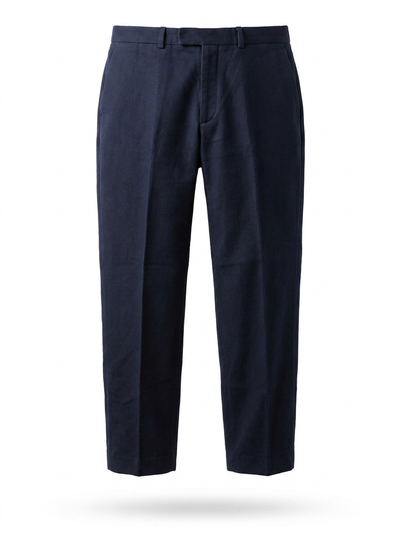
Consider a pair of jeans. Cotton farming is notoriously water-intensive. Dyeing processes often use harsh chemicals and significant energy. Assembly plants consume electricity and transport finished goods across continents. Each step adds to the environmental burden. A new pair of denim can require over 7,500 litres of water to produce – enough for one person to drink for five years.
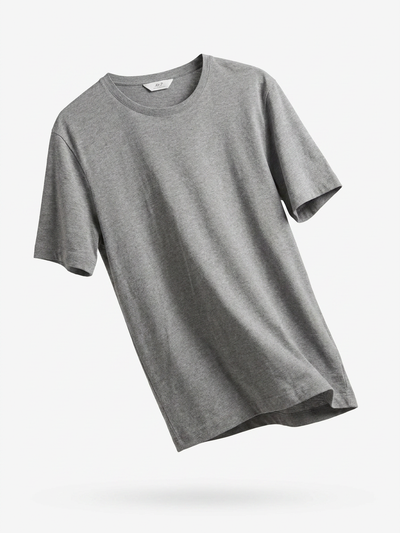
Even a simple t-shirt isn't innocent. The average cotton tee uses 2,700 litres of water. When you buy that t-shirt new, you are implicitly endorsing and contributing to that entire supply chain. When you buy it pre-owned, you’re simply giving an existing item a longer life. The environmental damage has already been done. Extending its use is the only way to mitigate it.
Beyond the Carbon: Resources and Waste
The environmental argument extends beyond carbon emissions. Raw materials are finite. Polyester, nylon, and acrylic are derived from fossil fuels. Leather requires significant land use and chemical processing. Even 'natural' fibres like cotton have intense resource demands. Every item of clothing, every piece of plastic, every manufactured good uses something pulled from the earth.
Then there is waste. The UK alone sends around 300,000 tonnes of clothing to landfill or incineration each year. Globally, a rubbish truck full of textiles is landfilled or burned every second. Extending the life of an item by even nine months reduces its carbon, water, and waste footprints by around 20-30%. Pre-owned is a direct counter to this cycle of consumption and disposal.
Shop from this article

The Case for Records: More Than Just Plastic
The vinyl resurgence, while celebrated by collectors, isn’t without its own environmental considerations. Vinyl is essentially PVC, a petroleum-derived plastic. The pressing process is energy-intensive, and the packaging often involves virgin paper and plastic sleeves. While the joy of physical media is undeniable, the constant production of new records adds to the global demand for plastics.
Collecting original pressings or well-loved reissues from the secondary market offers a tangible alternative. It allows enthusiasts to engage with the culture and sound quality of vinyl without directly fuelling the manufacture of new plastic. For many, the hunt for a specific pressing from a specific era is part of the appeal anyway. It's a pragmatic choice for the planet, and often a more rewarding one for the collector.
No Miracles, Just Pragmatism
No business model is truly zero-impact. Patina operates servers, uses packaging, and requires transport. The goal is not perfection, but reduction. By making pre-owned items desirable, accessible, and high-quality, we aim to shift consumption patterns away from new production. We’re not claiming to be climate activists. We're running a business that, by its very nature, offers a more responsible way to buy the things people want.
The environmental benefit of pre-owned isn't a marketing angle. It’s a foundational truth. You get the quality, the heritage, the unique find – and you do it without contributing to the endless cycle of new production. It's a simple, honest transaction.