outerwear
3 minute read
The Pre-Owned Case for Buying Outerwear Instead of New
Words by Heather June Coombs
The reissue is fine. The original is better. Here is why.
Why Outerwear Works Best Pre-Owned
Buying a new coat is often a false economy. Quality outerwear is built to last, designed for years of use in harsh conditions. This inherent durability makes it an ideal candidate for the pre-owned market. Unlike a t-shirt or a pair of jeans, a well-made jacket often improves with age, developing character without significant degradation in performance. The depreciation hit on new, high-end outerwear is substantial. Let someone else take that loss.
Materials That Last
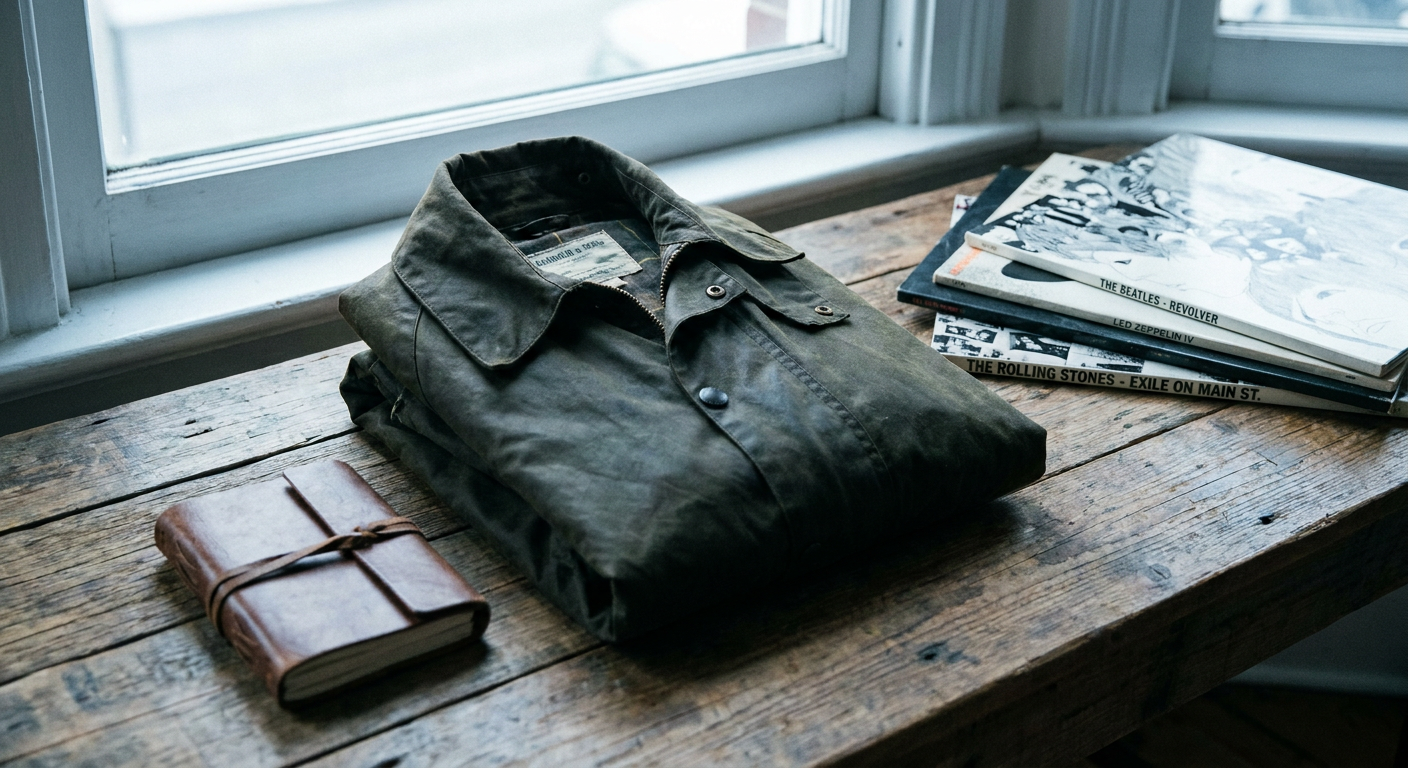
Certain fabrics are engineered for longevity. Gore-Tex, Ventile, waxed cotton, and heavy wool blends retain their functional properties for decades if cared for. A Barbour Bedale from the 1980s, properly rewaxed, performs as well as a new one. A vintage C.P. Company Mille Miglia jacket, made from a robust cotton-nylon blend, offers weather protection and a patina impossible to replicate. These are not fast-fashion items; they are investments in utility and style.
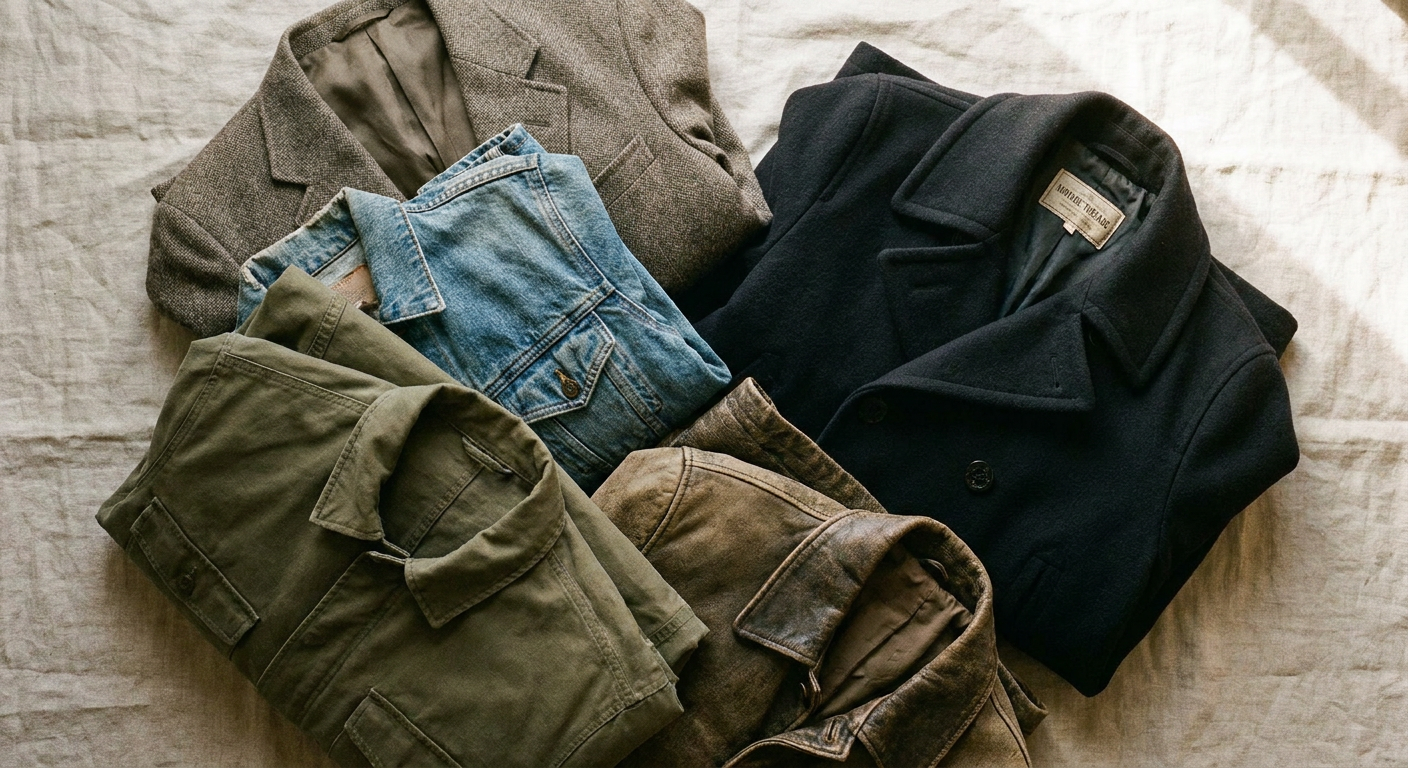
Consider Ventile. Developed for RAF flight suits in WWII, its tightly woven, long-staple cotton swells when wet, providing an impressive water barrier without a membrane. Modern versions exist, but the weave and finish on older pieces often feel more substantial. The same applies to heavier wools, such as those found in vintage peacoats or military surplus. They are dense, warm, and built without compromise.
The Craft and The Cost
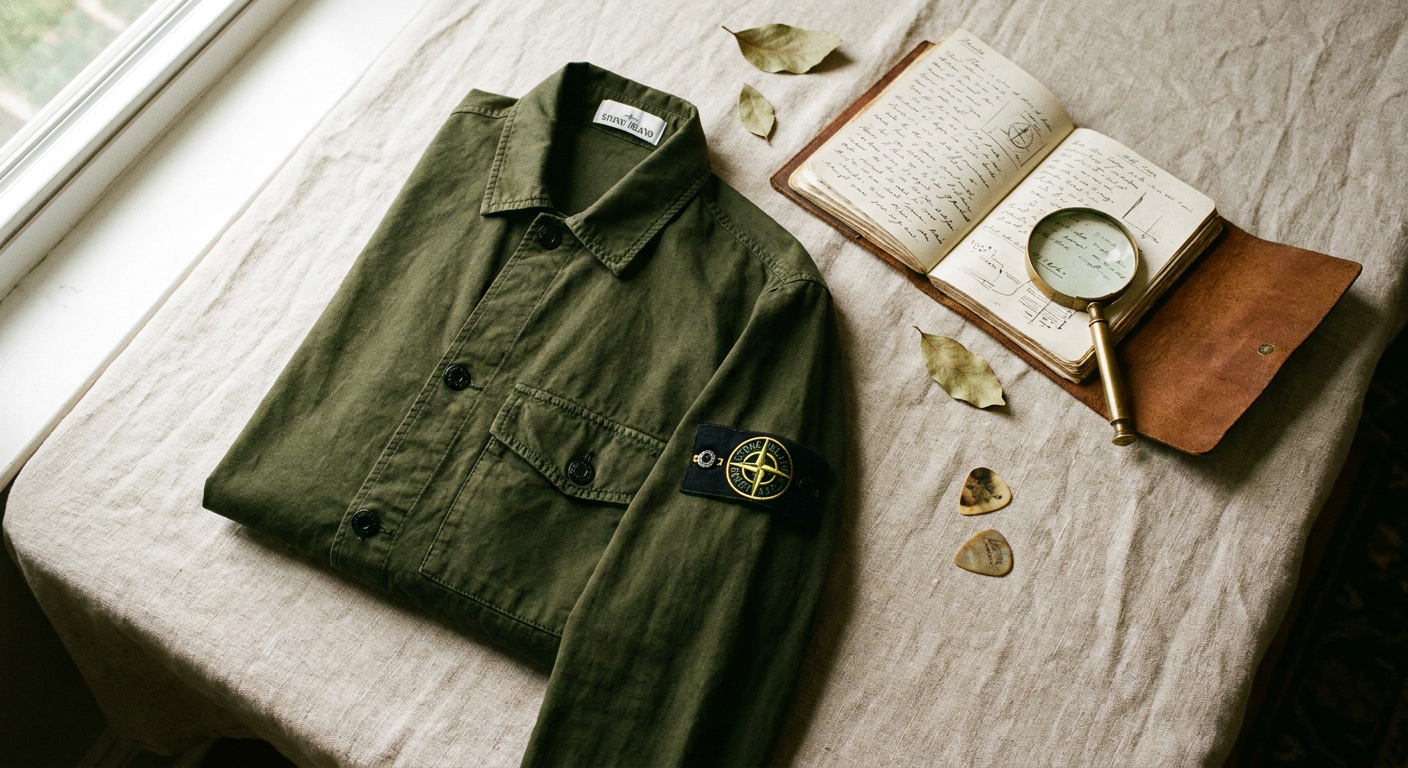
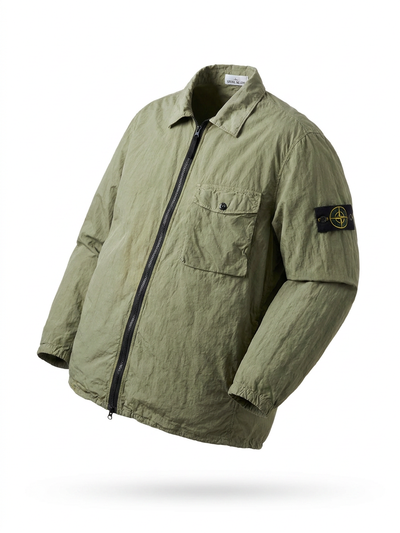
High-performance and heritage outerwear brands are expensive for a reason. They invest in fabric technology, sophisticated construction, and often, domestic manufacturing. Arc'teryx, Stone Island, Moncler – their RRPs reflect this. But these brands also command strong resale values, meaning their initial cost is not entirely lost. More importantly, it means you can often acquire a top-tier piece of outerwear for significantly less than half its original price, in excellent condition. A factory new Stone Island jacket could set you back upwards of £700. On the pre-owned market, a comparable piece from a few seasons ago, perhaps even an older, more desirable model, can be found for £250-£400. The functionality is identical, often the design is more distinctive, and the quality has already been field-tested. You’re paying for the proven article, not the initial showroom markup.
Distinctive Designs and The Archive
The pre-owned market grants access to designs no longer in production. Think of the early C.P. Company Goggle Jackets, or specific Stone Island Tela Stella pieces. These are not merely old; they are often considered landmark designs, representing a particular era or innovation. Buying new restricts you to current season offerings, which may or may not stand the test of time. Fashion is cyclical, but true style is enduring. Many classic outerwear silhouettes – the trench coat, the field jacket, the bomber – have remained largely unchanged for decades. Buying these pre-owned means acquiring a piece with genuine history, rather than a contemporary reinterpretation. Sometimes, the older iteration is simply better: heavier zips, more robust stitching, a superior hand-feel to the fabric.
Shop from this article
An Environmental and Financial Logic
Every item purchased pre-owned diverts it from landfill or extends its usable life. With outerwear, this is particularly pertinent. The manufacturing of technical fabrics and heavy-duty garments is resource-intensive. Opting for pre-owned is a practical step towards reducing demand for new production, without sacrificing quality or style. It is the honest case for conscious consumption. From a purely financial standpoint, it is difficult to justify buying a new technical jacket when an identical or superior model is available for significantly less. The depreciation curve on premium outerwear flattens considerably after the first owner. You benefit from that initial drop in value, acquiring a robust, functional garment that will serve you for years, often at a fraction of its original price. It just makes sense.