buying guides
3 minute read
What Resale Prices Tell Us About Which Brands Actually Have Longevity
Words by Heather June Coombs
The reissue is fine. The original is better. Here is why.
Resale value is the true arbiter of a brand’s worth. Marketing departments can talk endlessly about heritage, quality, and craft. Fashion magazines can declare a brand "in" or "out" on a whim. But the secondary market cuts through the noise. What someone is willing to pay for a used item, relative to its original price, tells you everything.
It’s not just about hype. Hype sells new product, often at a premium. But true longevity manifests in items that retain, or even increase, value years after their initial release. This isn’t a charity auction; it’s a market driven by supply, demand, and a clear understanding of inherent quality and enduring design.
Beyond Hype: The Substance of Value
Consider the difference between a seasonal 'it' bag and a classic Barbour jacket. The bag, regardless of its initial four-figure price tag, will likely plummet in value once its moment passes. Its desirability was tied to trend, not intrinsic utility or timeless aesthetic.
The Barbour, however, holds its price. A well-maintained Bedale or Beaufort from twenty years ago can fetch a significant percentage of its original cost. This is because its value is tied to its robust construction, its specific functionality, and its consistent, unwavering design. It never went "out" because it was never truly "in" as a fleeting trend. It simply existed as a reliable piece of kit.
The Stone Island Phenomenon
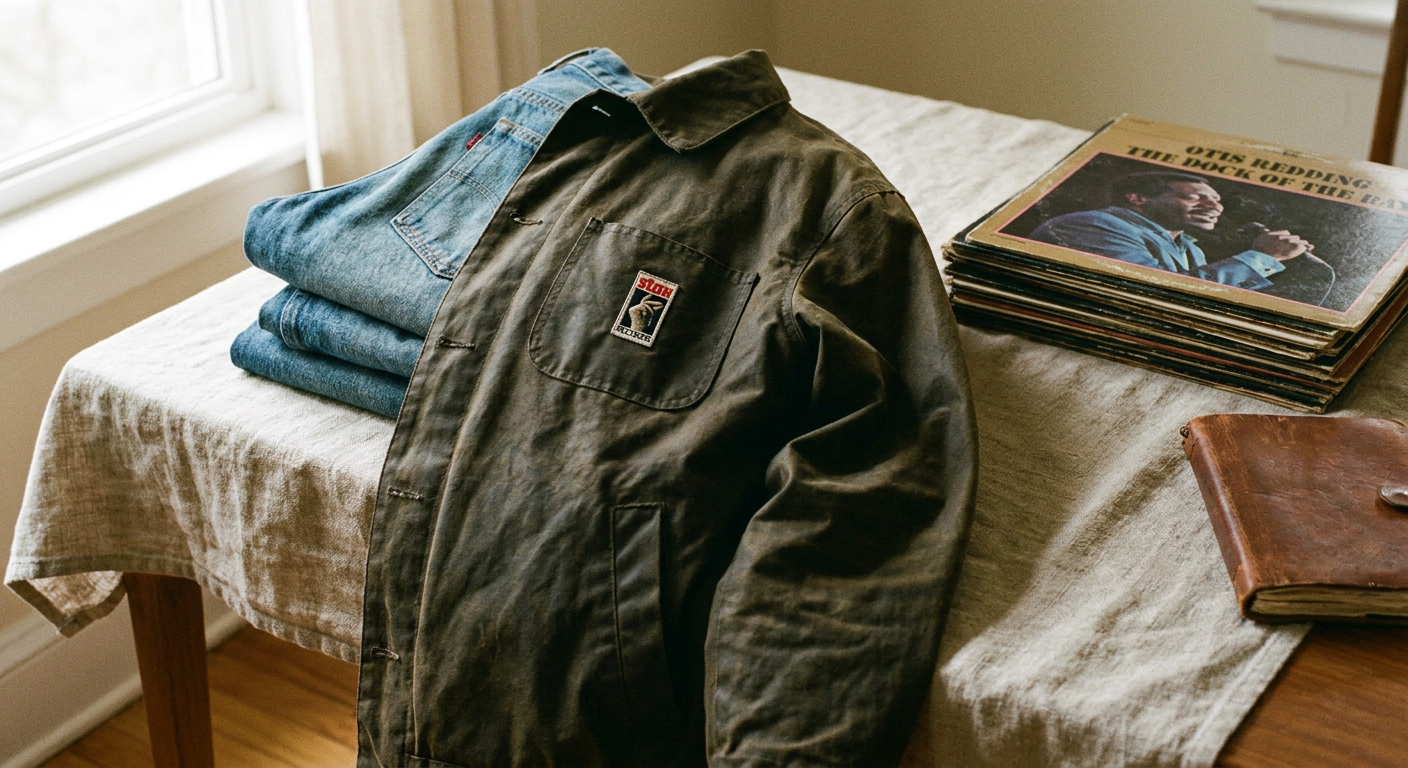
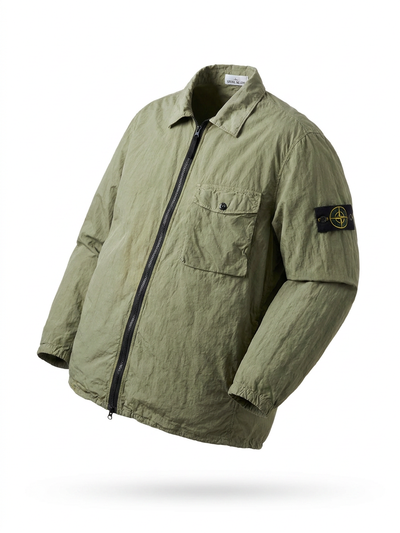
Stone Island is a prime example of a brand where resale prices don't just track value; they dictate it. A rare, early 90s Tela Stella jacket will command figures that dwarf contemporary mainline pieces. This isn't just nostalgia; it's a recognition of materials, construction techniques, and design philosophies that are increasingly difficult to find.
The Ventile Smock, for instance, has held its resale value better than almost anything else in the Stone Island archive. It is a specific piece, designed for a specific purpose, using a particular fabric. People seek it out because its performance and aesthetic are unimpeachable, and its availability is limited. The market understands this scarcity and quality.
Shop from this article
The Art of the Reissue
Brands often attempt to capitalise on their heritage through reissues. Sometimes it works. Often, it merely highlights the enduring appeal of the original. Take the recent trend for archive trainers. Adidas re-releases countless iconic silhouettes, and they sell well. But a mint condition pair of 1970s Gazelles will always fetch more than their modern equivalent, even if the new version is technically more comfortable or durable.
Collectors prioritise the nuance: the exact shade of suede, the specific rubber compound of the sole, the font on the tongue label. These minute details, often overlooked in mass production, are what define authenticity and, by extension, value in the pre-owned market. The market recognises the difference between an homage and the real thing.
Music: Pressings and Provenance
The same principles apply to music. A first pressing of Joy Division’s 'Unknown Pleasures' on Factory Records will consistently command a higher price than a later reissue, even if that reissue is lauded for its improved sound quality. This is about provenance, the connection to the original moment of creation.
Collectors aren't just buying sound; they're buying history, the artefact itself. Limited runs, obscure labels, and pressings from specific plants all contribute to an item’s enduring resale value. It's a testament to a tangible cultural moment, not just the audio content.
What Resale Tells Us
Resale prices reveal which brands have truly built something beyond the ephemeral cycle of fashion. They highlight brands that prioritise genuine quality, specific functionality, and an unwavering design identity over fleeting trends. These are the pieces that continue to be sought after, years down the line, because they offer something enduring, something worth holding onto. They weren't just bought; they were invested in.
The brands that consistently perform well in the secondary market are those that resonate with a knowledgeable audience – people who understand the difference between good and great, and are willing to pay for it.
Related articles