buying guides
3 minute read
Why Buying Pre-Owned Is a Better Financial Decision Than Almost Anyone Admits
Words by Heather June Coombs
The smart money buys assets that hold their value, bypassing the initial hit of depreciation that new items suffer.
The Real Cost of New
The marketing around 'new' is relentless. Brands spend fortunes convincing us that a fresh item, straight off the production line, is the only way to experience quality or style. This narrative ignores a simple truth: for many items, especially those with inherent quality, the immediate depreciation on a new purchase is significant. Buy a new car, drive it off the forecourt, and it loses thousands. The same principle, albeit on a smaller scale, applies to clothes, records, and even some collectables.
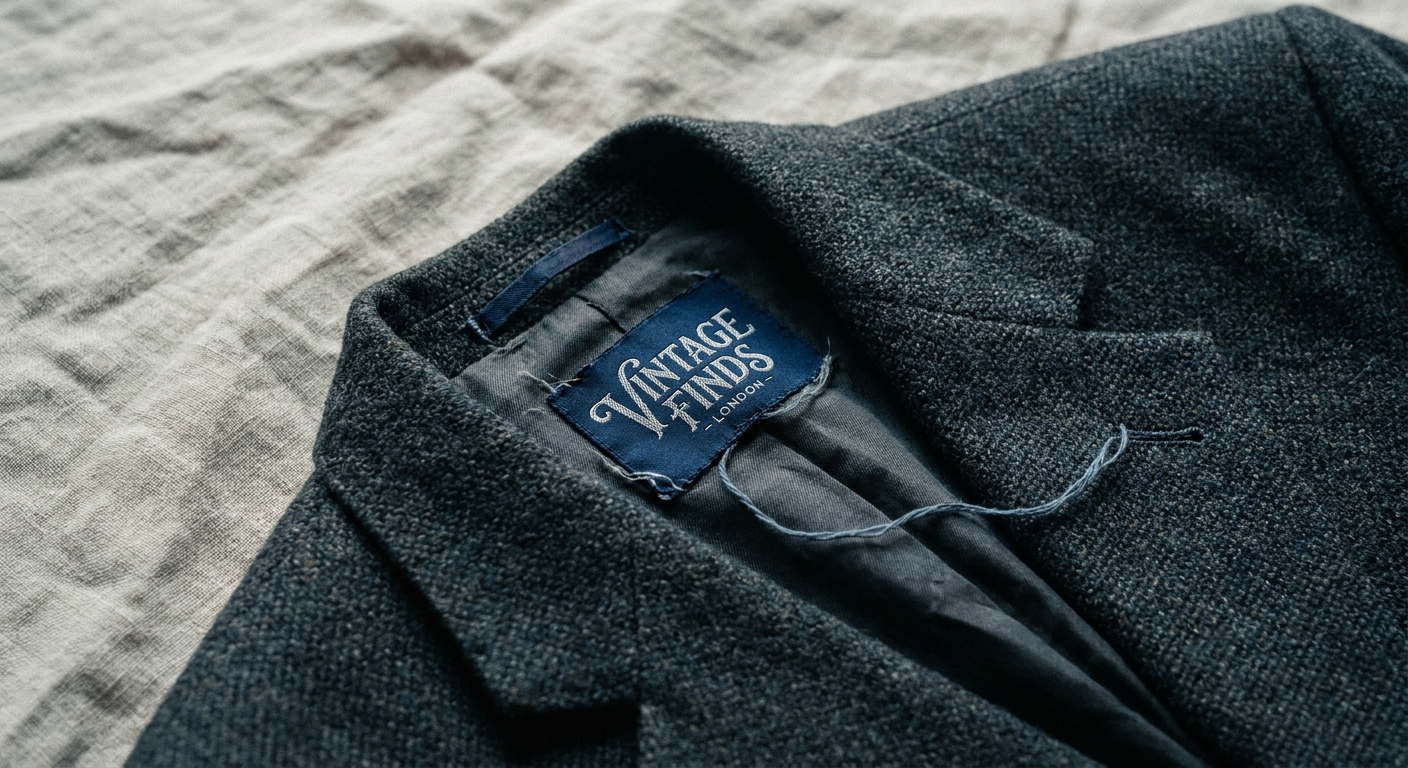
Consider a well-made jacket from a brand like Barbour or a pair of Alden shoes. A new one carries a premium, often reflecting design, materials, and a retail mark-up. That value takes a hit the moment it's owned, even if unworn. The "new" premium vanishes. This makes the secondary market not just a place for cheaper goods, but for the actual market value of an item, rather than its retail fantasy.
Avoiding the Depreciation Trap
The smart money buys assets that hold their value. For many fashion items and records, the biggest drop in value occurs when an item transitions from new to used. By buying pre-owned, you sidestep this initial depreciation. You are buying closer to the item's true, enduring market price.
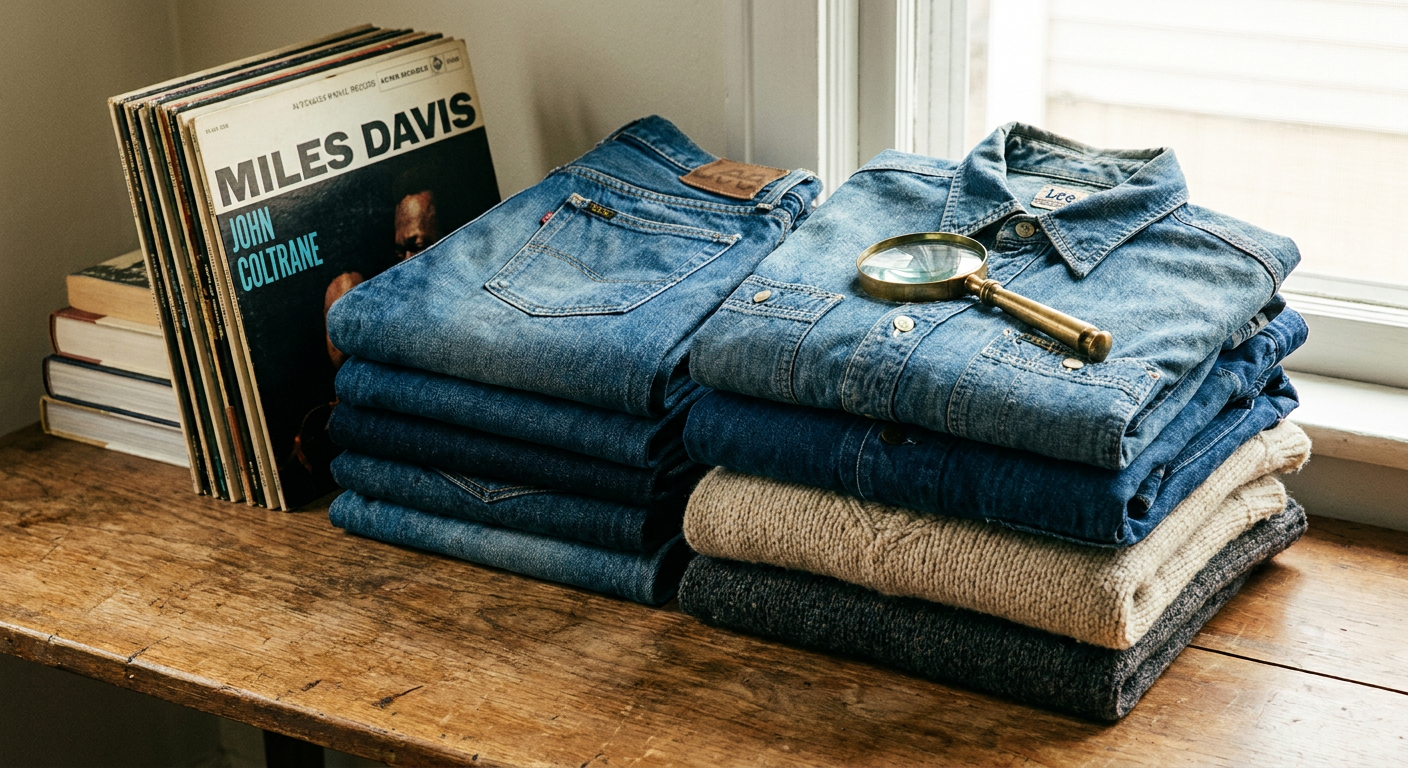
Brands like Stone Island or C.P. Company, with their robust construction and cult following, often see their pieces hold strong in the pre-owned market. A Ventile Smock or a Mille Miglia jacket from a certain era, in good condition, can often be resold for close to what it was bought for, sometimes even more if it's a particularly sought-after archive piece. The same applies to specific record pressings. A first pressing of a classic album, already decades old, is unlikely to depreciate further, in fact, it often appreciates.
The Quality Equation
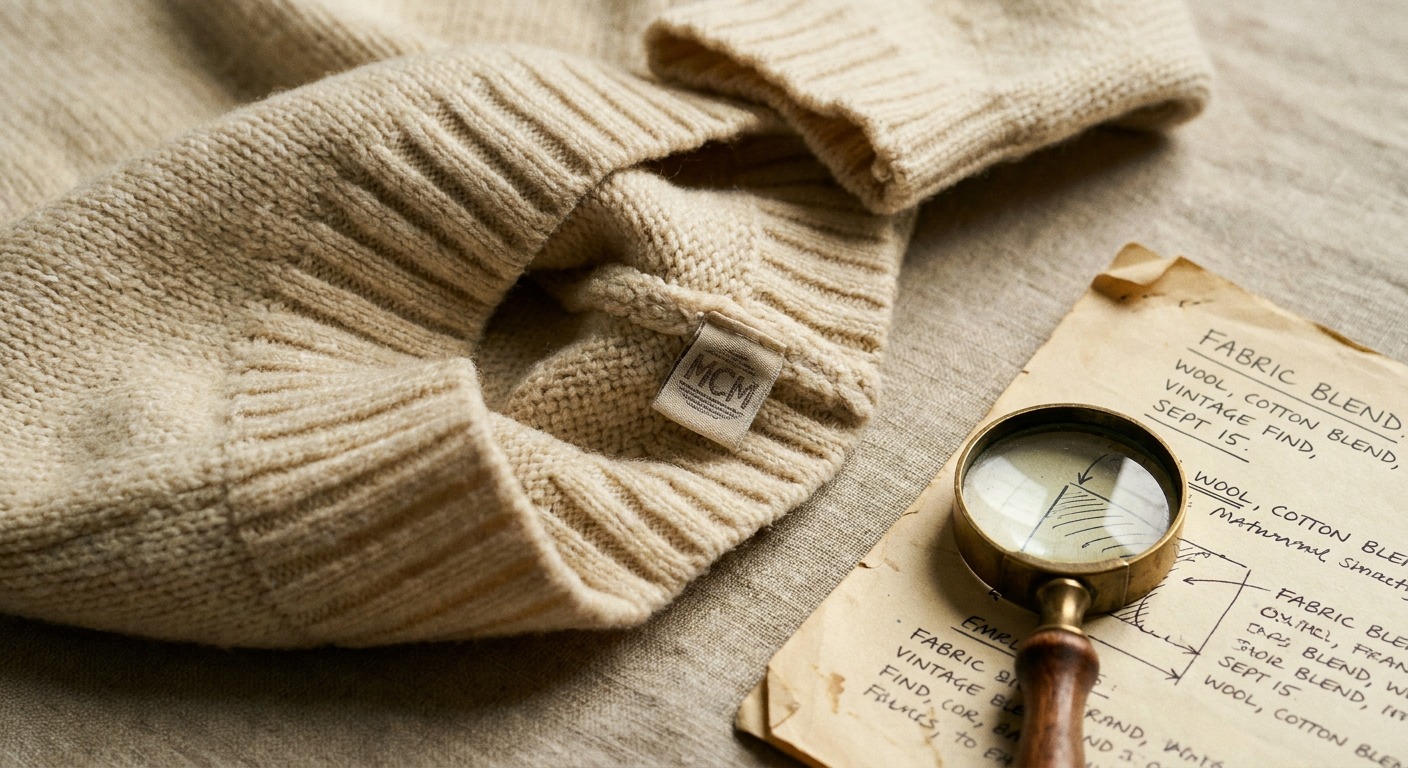
New isn't always better. The drive for continuous production can lead to compromises. Materials change, manufacturing shifts, and heritage often gets diluted. When you buy pre-owned, you can often acquire items from periods when quality was a non-negotiable standard, not a cost-cutting target.
Shop from this article
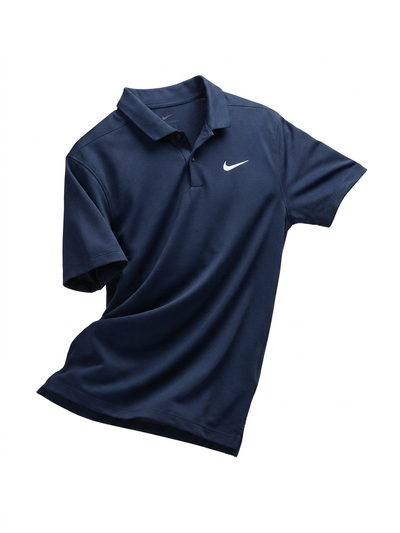
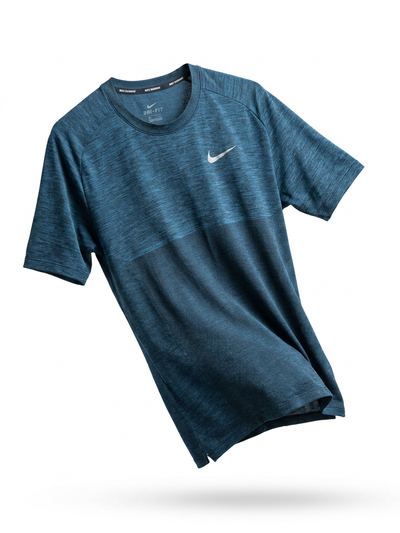
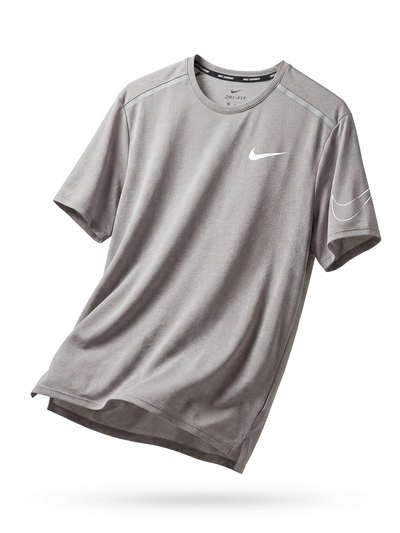
Many brands have a 'golden era' for their manufacturing. A pair of Red Wing boots from 10 years ago might use thicker leather or a more durable sole than a contemporary model. A vintage record pressing might have been cut from master tapes with more care than a modern digital remaster. This isn't just nostalgia; it's tangible quality that was built to last, and often surpasses what's available new today, even at a higher price point.
Accessing the Unattainable
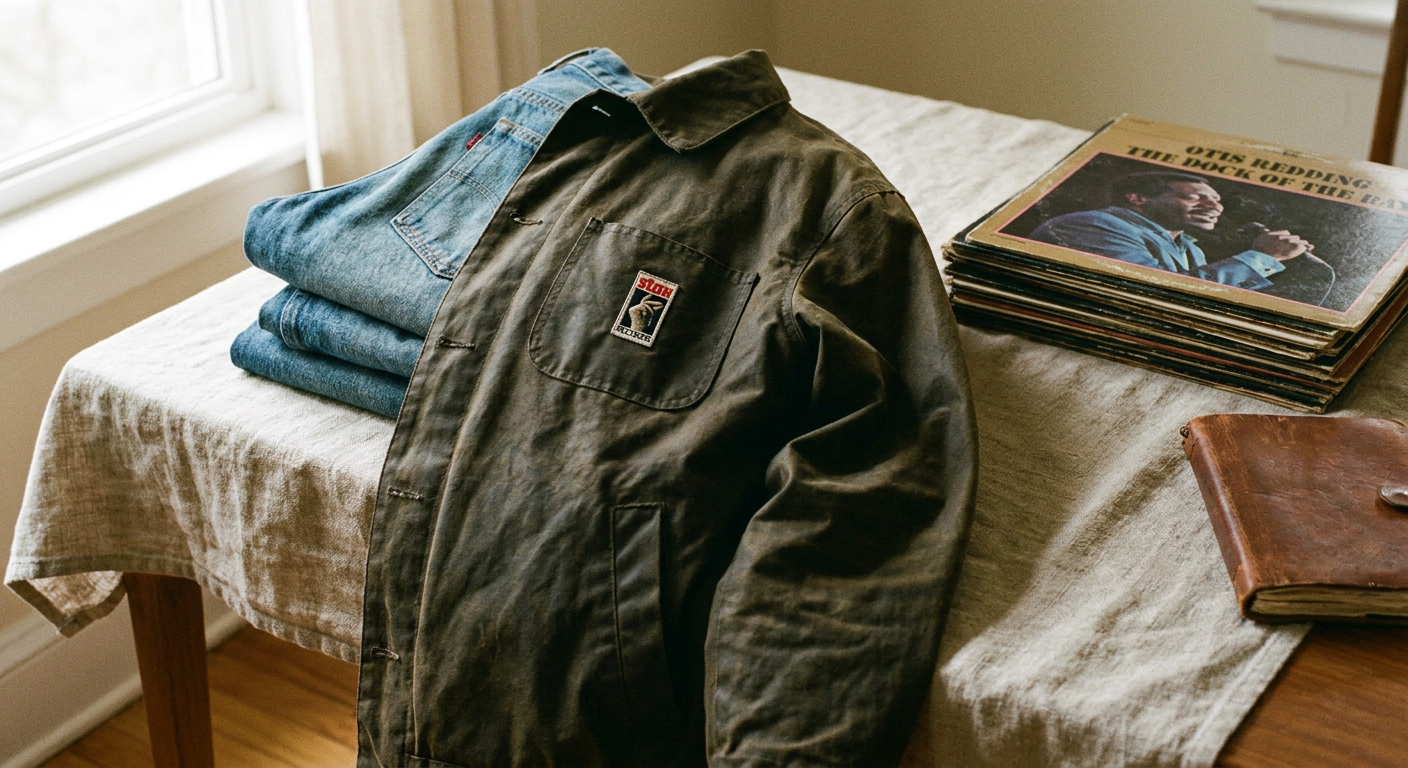
Some of the most desirable items are no longer made. Limited editions, discontinued lines, and specific vintage pieces simply don't exist in the new market. The pre-owned space is the only way to own a particular Nike ACG jacket from the 90s, a rare Factory Records pressing, or a Massimo Osti-designed piece. This access to rarity is a financial advantage in itself.
The thrill of the hunt for these pieces adds to the appeal, but the financial argument holds. These items, by their nature, are scarce. Scarcity drives value. If you're chasing something truly specific, the secondary market isn't just an option; it's the only option, and it often represents an investment rather than a depreciating purchase.
Beyond the Spreadsheet
While the financial logic for pre-owned is clear, the real value extends beyond simple economics. It is about making considered choices, understanding the provenance of what you own, and participating in a market that rewards knowledge and patience. It's about owning things that have a story, rather than just a price tag. And often, those stories end up being worth more.
Ultimately, buying pre-owned shifts the focus from immediate consumption to enduring value. It’s not just about saving money; it’s about spending it smarter, on items that retain their worth, their quality, and their character.