buying guides
2 minute read
Why Provenance Matters When Buying Pre-Owned Designer Pieces
Words by Heather June Coombs
Provenance is the difference between an educated purchase and an expensive gamble.
The Unseen Value
Buying pre-owned isn't just about saving money. With designer pieces, it's about acquiring history. Provenance, the documented history of ownership, is critical here. It’s what separates a sought-after garment from an anonymous used item. Without it, you're buying a story you can’t verify. It’s not just for the auction houses anymore. The pre-owned market has matured. Buyers are more discerning. They want to know where a piece has been, who owned it, and how it was cared for. This isn't just snobbery; it’s a safeguard.
The Chain of Custody
A strong provenance starts with paperwork. Original receipts, service records, COAs (Certificates of Authenticity) from the brand itself. These aren't always available, especially for vintage items. If they are, they add significant value. They remove doubt. For items without original documentation, the story becomes more important. Did it come from a well-known collector? Was it part of a notable archive? A reputable seller will provide as much detail as possible. This isn't just a nicety; it's due diligence.
Beyond Authenticity
Authenticity is the baseline. Provenance elevates a piece above merely being real. Take a vintage Stone Island Raso Gommato jacket. Knowing it came from an original Casuals collector who bought it new in 1988 adds a layer of desirability and value that a generic example simply won't have. It’s the difference between a textbook and an annotated first edition. This applies to more than just clothing. Rare records with original owner’s notes, concert tickets, or even press clippings can make a standard pressing a true collector’s item. The artefact tells a richer narrative.
Shop from this article
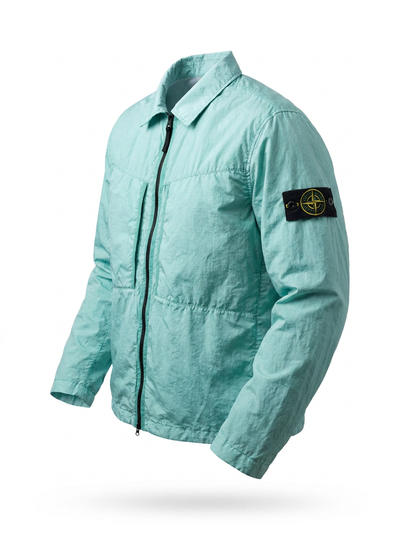
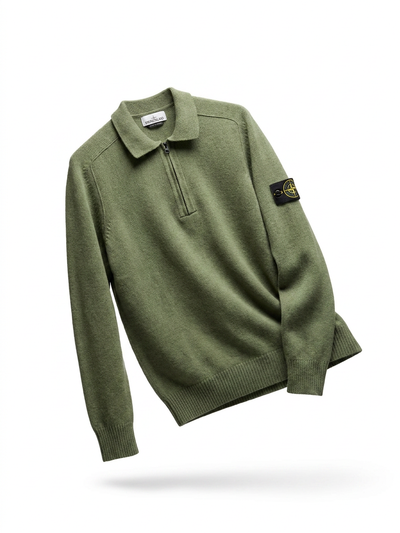
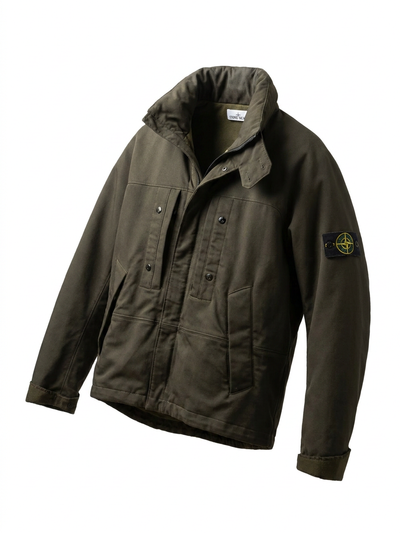
Resale Value and Investment
Provenance protects your investment. Should you ever decide to sell, a well-documented piece will command a higher price. Buyers are willing to pay a premium for certainty. It removes the largest friction point in the pre-owned market: trust. Consider a limited edition collaboration. If you can trace its journey from original purchase, through a known owner, to you, its perceived value remains strong. Without that history, it's just another version of a known item, susceptible to market fluctuations. It shifts the perception from "second-hand" to "pre-owned with verifiable history."
The Ethical Dimension
There's an ethical argument too. Knowing a piece's history can sometimes link it to responsible previous ownership. It’s not always about grand narratives; sometimes it’s the quiet assurance that an item hasn't been part of a dubious supply chain at any point in its life. In a market increasingly scrutinised for fakes and questionable origins, provenance offers transparency. It’s a commitment from the seller to the buyer that they’ve done their homework. For the buyer, it’s peace of mind. Ultimately, provenance is about respect: for the item, for its craftsmanship, and for its journey. When buying pre-owned designer pieces, it isn't an optional extra. It’s fundamental.
Related articles