music
3 minute read
Factory Records: The Catalogue and What to Look For Pre-Owned
Words by Heather June Coombs
A Factory record is a piece of art, not just a disc.
Factory Records: The Catalogue and What to Look For Pre-Owned
Factory Records was never just a label. It was a cultural institution built on a distinct aesthetic and an often chaotic business model. Its output defined an era, from the grey concrete of the Hacienda to the meticulously designed sleeves that housed its records. Collecting Factory releases is more than acquiring music; it is an exercise in owning a piece of British post-punk and indie history. Understand what you are looking at and you can build a formidable collection.
The Factory Aesthetic: Design as an Asset
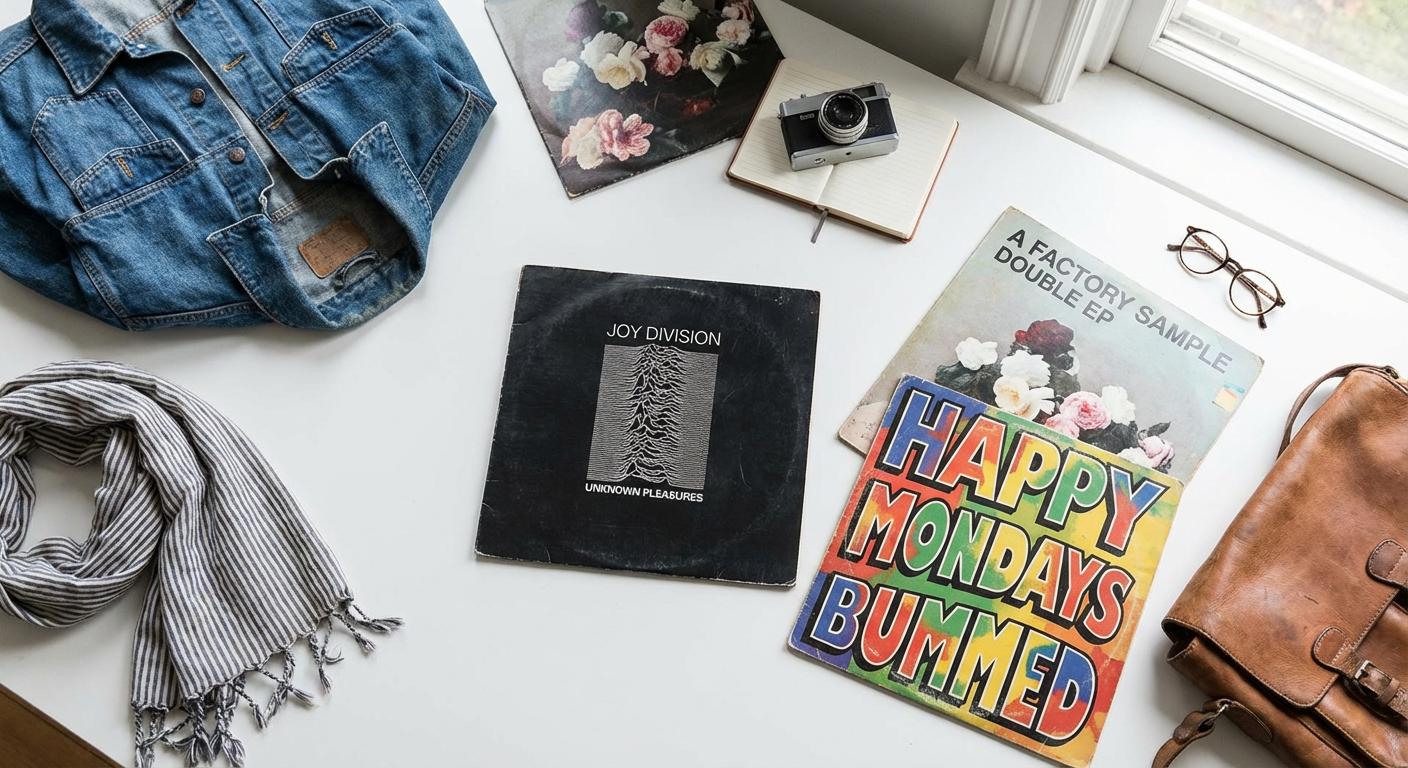
Most record labels sell music. Factory sold a lifestyle, or at least the raw materials for one. Peter Saville’s graphic design was as integral to the label’s identity as the music itself. He gave Factory a visual language that was sophisticated, often stark, and instantly recognisable. This commitment to design means that the sleeve condition is often as important as the vinyl itself. A pristine sleeve with a worn record can still command a good price because the artwork is a major part of the artefact. Look for releases with original sleeves, inner bags, and any inserts – posters, stickers, pamphlets. These extras add significant value.
Identifying First Pressings: The Matrix Runout
This is where collecting gets specific. For Factory obsessives, the matrix runout information etched into the vinyl around the label is critical. It tells you about the pressing plant, the lacquer cut, and often the pressing order. Early Factory releases, particularly from Joy Division and New Order, had multiple pressings, sometimes within weeks of each other, to meet demand. The earliest matrix numbers (e.g., FACT 10 A-1U) typically indicate a first pressing. For Joy Division’s 'Unknown Pleasures' (FACT 10), checking the runout groove for “A PORKY PRIME CUT” and “THIS IS THE WAY” (for side A and B respectively) along with the initial matrix number is key. Later pressings dropped these etchings. Early New Order singles (e.g., 'Blue Monday' FAC 73) also have numerous pressings, and identifying the first can differentiate between a £10 record and a £100 one. Always cross-reference with Discogs, paying close attention to the version notes and submission history.
Beyond the Music: Obscure Catalogue Numbers
Factory’s catalogue numbers were not reserved solely for records. They were assigned to posters (FAC 1), the Hacienda nightclub (FAC 51), a cat (FAC 61), and even a lawsuit (FAC 251). This expansive numbering system means there are non-musical Factory items that hold significant value. Original concert posters for Joy Division or New Order from the Factory era are highly sought after. They are rare, fragile, and often overlooked by casual collectors. An original Hacienda flyer from 1982 or a first-run promotional poster can be a significant addition. Condition is paramount here; paper items are susceptible to creasing, tearing, and fading.
The Condition Question: Sleeve vs. Vinyl
Unlike some genres where a beat-up sleeve is acceptable if the vinyl plays clean, Factory records demand a higher standard for the sleeve. This is due to Saville’s work. A torn sleeve diminishes the aesthetic value considerably. Look for clean edges, minimal ring wear, and no seam splits. For the vinyl, the usual rules apply: no deep scratches, warps, or excessive surface noise that overpowers the music. A clean first pressing in excellent condition is the goal. For Factory’s famously elaborate packaging, like the die-cut sleeve of 'Blue Monday', ensure all original components are present and intact. Missing inner sleeves or covers instantly reduce value.
What to Look For: Specifics
Joy Division’s 'Unknown Pleasures' (FACT 10): Textured sleeve, red inner sleeve. Check A PORKY PRIME CUT on runouts. Joy Division’s 'Closer' (FACT 25): Textured sleeve, original inner sleeve. New Order’s 'Blue Monday' (FAC 73): Die-cut sleeve. Many variations. First pressing does not have actual track times on the sleeve - it’s just circles. Check for the cut-out corner. A Certain Ratio's 'The Graveyard and the Ballroom' (FACT 16): Cassette only. Original copies are rare. Durutti Column’s 'The Return of the Durutti Column' (FACT 14): Handmade sandpaper sleeve. Original sandpaper is difficult to find intact. Collecting Factory Records is a pursuit that rewards diligence. It's about respecting the art of the package as much as the grooves within. The value lies in the integrity of the whole artefact.